

Why the crop factor also affects depth of field
Monday 20 June 2022, 20:40 by Nando Harmsen | 6,238 views | 7 commentsThis article was translated from Dutch with the help of AI. Read the original.
A crop sensor is simply a sensor with a smaller surface area than a full-frame sensor. You should not look for more behind it than that.
The consequence is that you do not use the full angle of view of your lens. That indirectly happens to be the reason why depth of field is different with a crop sensor. I explain it in this article.
There is quite a lot of confusion about the influence of a crop sensor on depth of field. Some say it has an influence, others do not. Open the first DoF calculator you find and you will see the depth of field change when you switch from a full-frame sensor to a crop sensor.
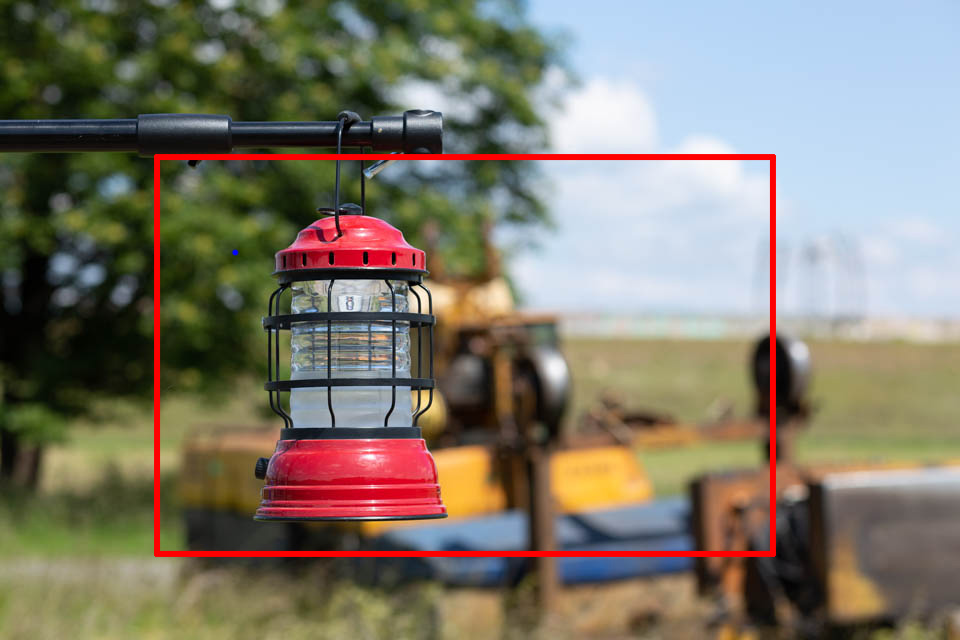
The result from a DoF calculator seems like proof enough, does it not? Yet it is not that simple. Yes, the depth of field changes, but for different reasons than you might think. The reason is that the wrong starting point is often used.
Switching between full-frame and crop
What happens when you switch between a full-frame sensor and a crop sensor? The angle of view changes. In other words, the image captured by a crop sensor corresponds to a longer focal length on a full-frame sensor.
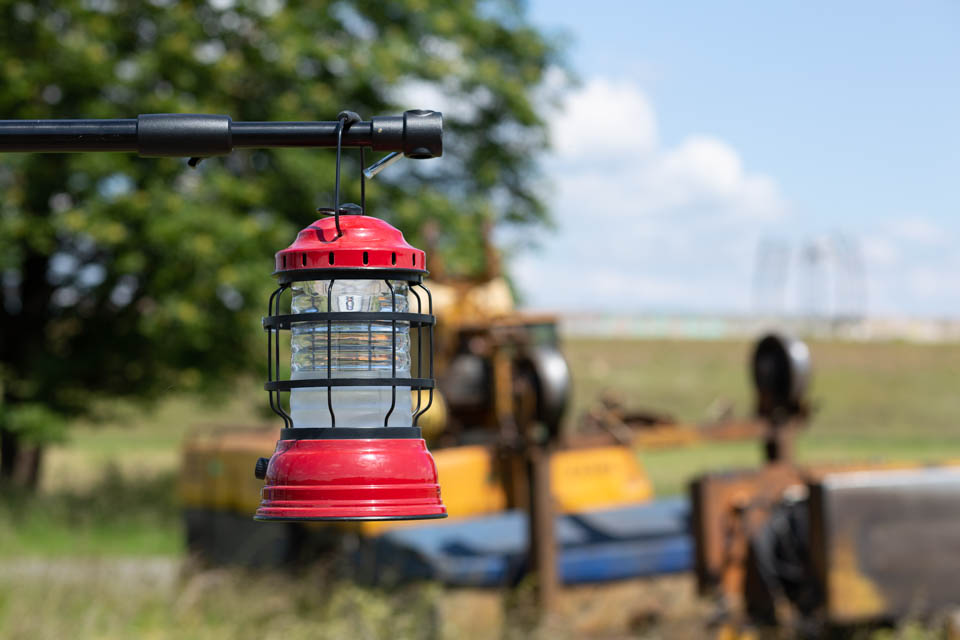
To show this in numbers. An 85mm lens on a crop sensor that is 1.6x smaller produces the same image as a 136mm lens on full-frame (85 x 1.6). We all know that, right?
Of course, we have to view both photos at the same dimensions, for example full screen on a Full HD display or as a photo print.
Keep the subject the same size in the frame
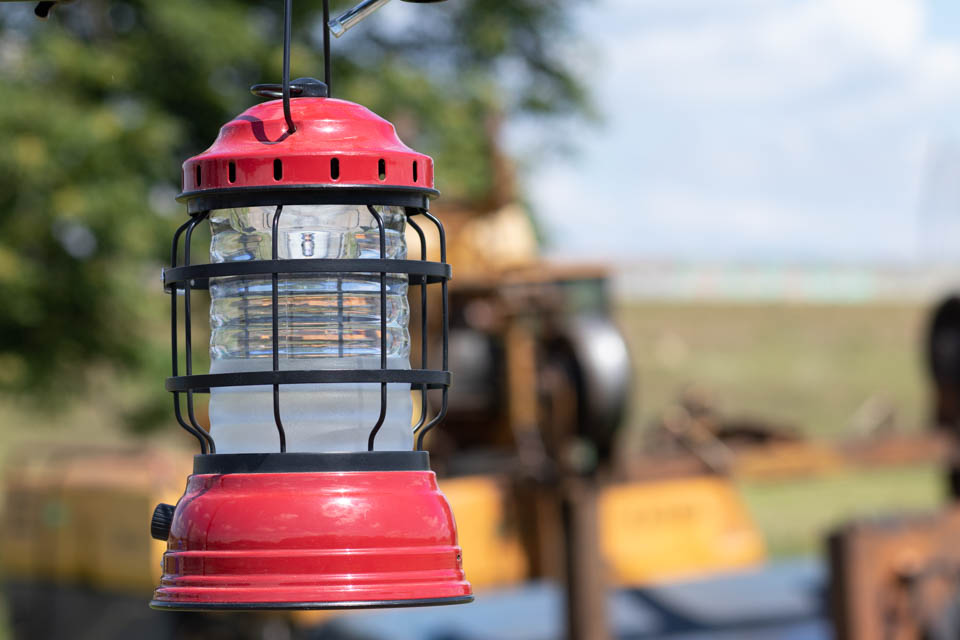
Let us look at it from a different perspective. The subject photographed with 85mm on a crop camera is shown 1.6x larger than with 85mm on a full-frame camera. So you get a very different shot.
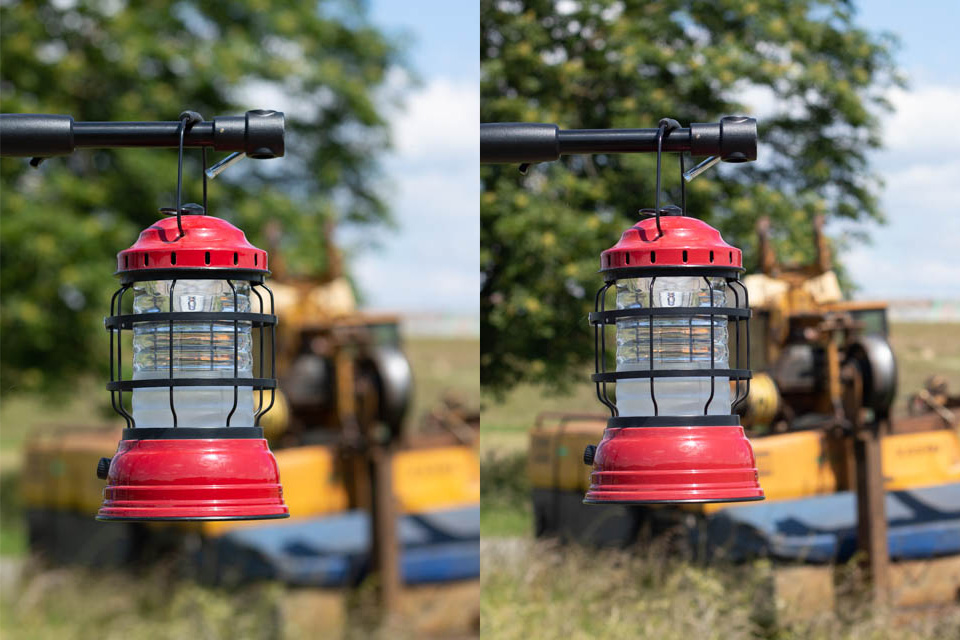
If you want the subject to be the same size in the frame with the crop camera as with the full-frame camera, you can do two things. You can make the distance 1.6x greater, or choose a shorter focal length. In this example, that is 50mm (85 / 1.6, rounded to 50mm).
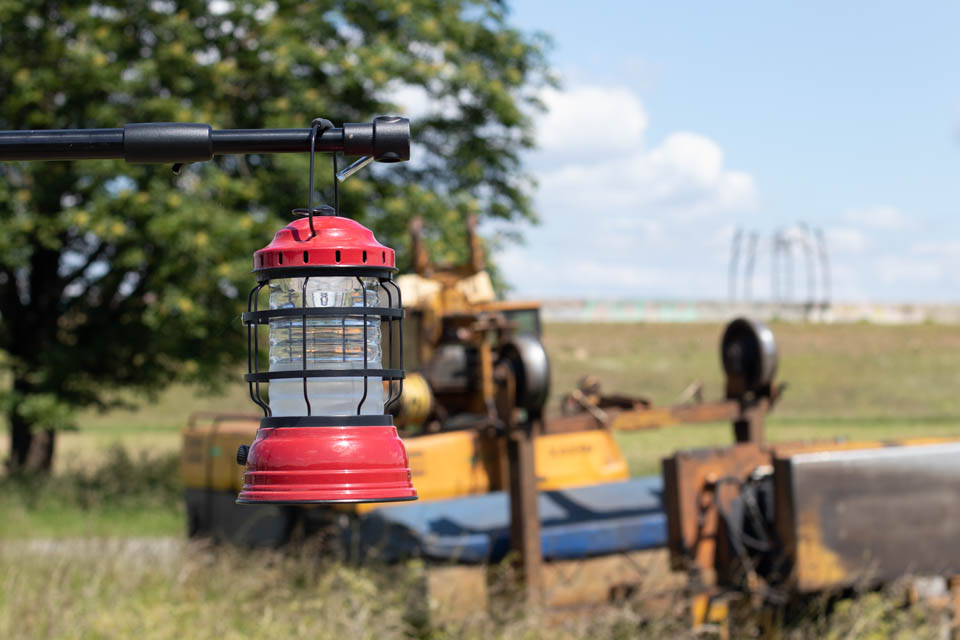
Now something remarkable happens. In the first case, the distance becomes greater, which makes the depth of field smaller. In the second case, the focal length becomes shorter, which also makes the depth of field smaller.
A crop factor only indirectly affects depth of field
In short, the smaller depth of field that results from photographing your subject with a camera with a crop sensor is caused by either having to stand further away with the same focal length, or using a shorter focal length.
So the depth of field is caused indirectly by the crop sensor.
What if you crop the full-frame image?
To complete the story, as it were, we can compare the depth of field between a crop sensor and a full-frame sensor.
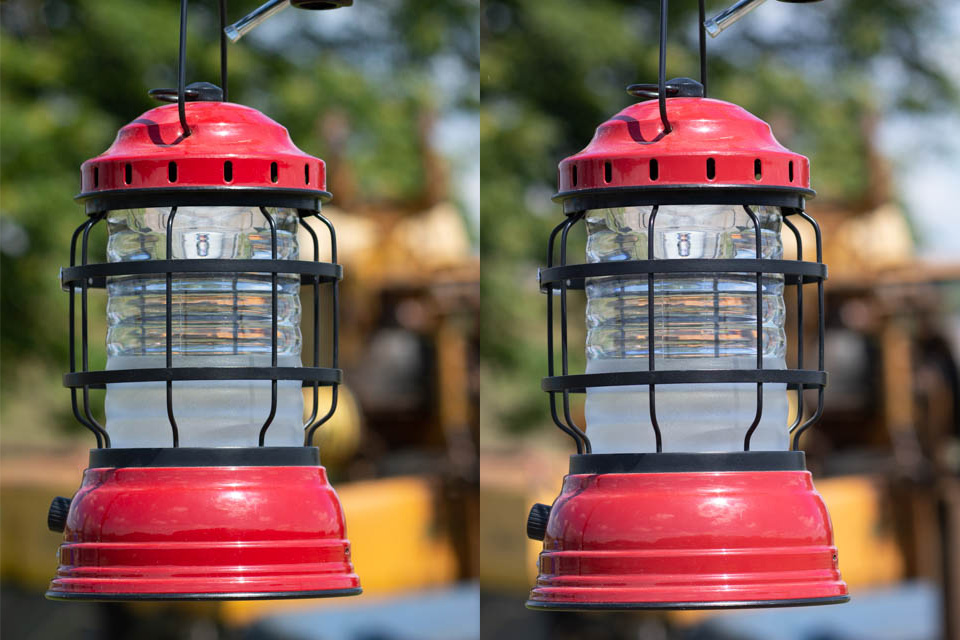
We keep the focal length, distance and aperture the same. However, we do crop the full-frame photo until the subject is the same size as with the crop sensor. You will see that there is no difference in depth of field.
Conclusion
The crop sensor has no direct influence on depth of field. The influence is indirect, because we have to use a shorter focal length or a greater distance to keep the subject the same size in the frame.
If we keep the focal length, distance and aperture the same, there is no difference at all in depth of field.
About the author
Nando Harmsen has been photographing for more than 40 years. He specialises in wedding photography and landscape photography. Nando also gives talks, workshops, masterclasses and photo trips, and regularly reviews new and interesting equipment.
You might also like
-
 The advantage of a crop sensor in landscape photography
by Nando Harmsen
-
 Crop or use a teleconverter?
by Nando Harmsen
-
 Difference in depth of field when cropping or using a teleconverter
by Nando Harmsen
-
 A panorama or a panorama crop?
by Nando Harmsen
-
 Photographing or cropping a panorama
by Nando Harmsen
-
 Converting focal length to full-frame is pointless
by Nando Harmsen
7 comments
-

 Donald Willemsen
wrote on Tuesday 21 June 2022 at 10:48
| reply
Donald Willemsen
wrote on Tuesday 21 June 2022 at 10:48
| reply
Interesting story, but I did notice something that, in my view, makes the story somewhat shaky.
Translated from Dutch.
At the last 2 photos just above the conclusion, there are clear differences. If we look at the lower part of the lamp, we can see more yellow from the background to the right of it in one photo than in the other. In my view, the digital crop of the full-frame is not the same as the crop sensor. Another possible cause could be that the lamp is not hanging in exactly the same place in relation to the background. The two photos are not exactly the same in terms of framing. -
 Dies Groot wrote on Tuesday 21 June 2022 at 11:00
| reply
Dies Groot wrote on Tuesday 21 June 2022 at 11:00
| reply
With this aperture, these sensor sizes and these results, I do have my doubts whether this really was exactly 4 meters away and not a bit closer after all ...?
Translated from Dutch. -

-
-
 Matt wrote on Tuesday 21 June 2022 at 16:59 | reply
Another approach, besides equivalent focal length, is also an equivalent aperture.
Translated from Dutch.
So if you photograph at 85mm, F/5.6 on full frame, use 50mm, F/3.5 on APS-C. Then you also get an identical photo in terms of depth of field. -
 Peter Van Himste wrote on Tuesday 21 June 2022 at 17:59 | reply
You could do a similar story about aperture: why an f/2.8 lens on a crop camera isn't simply a full-frame f/4 lens. There's also often a lot of confusion about that.
Translated from Dutch. -
 Jos wrote on Tuesday 21 June 2022 at 21:55 | reply
At the time I made a comparison with a Canon 5D and an Olympus E-5. I used the same lens for both cameras: a 50mm f/1.4 Zuiko (OM system).
Translated from Dutch.
To get the subject the same size on both sensors, I therefore had to stand at a greater distance with the Olympus, which resulted in a greater depth of field. This of course with the same aperture (f/5.6).
Just this: as we get closer to our subject, the depth of field becomes smaller. This applies to every lens. The depth of field also does not depend on the focal length, but on the effective lens diameter.
Thus, a 50 mm f/4 (= diameter 12.5mm) will produce the same depth of field as a 200 mm at f/16. Of course, the distance should then also be the same, because as stated, that also affects the DOF.
Have your say
Please note: Articles older than a week can only be commented on by signed-in visitors.Would you still like to comment? sign in or create a free account.
Become a better photographer every week
A practical photography tip in your inbox every week.
39,079 photography enthusiasts already receive the tips! More about the weekly mail. Or keep up to date via  Facebook.

Elja Trum
Photofacts; everything to do with photography!
Would you like to take better photos and keep up with what is happening in photography? Photofacts publishes articles that teach you something about photography — from a product announcement to a practical shooting tip or a look at a website. Photofacts covers photography every day and is a hobby project of Elja Trum's that got out of hand. The articles are written by a team of volunteer authors. If you would enjoy writing one or more articles for Photofacts, do get in touch.More about PhotofactsPhotofacts is made possible in part by
