

The (Un)importance of High Dynamic Range in Landscape Photography
Tuesday 23 March 2021, 20:20 by Nando Harmsen | 5,668 views | 3 commentsThis article was translated from Dutch with the help of AI. Read the original.
Modern cameras now have an enormous dynamic range. This can be as much as 13 or 14 stops, and sometimes even more. But is this actually useful in landscape photography?
In this article, I take a closer look at the usefulness, or lack of usefulness, of a camera with a high dynamic range for landscape photography.
Do you have a modern camera? One that is no more than two years old? Then its dynamic range is probably enormous. Perhaps this was one of the reasons you chose the camera. With 13 or 14 stops, you can easily bring out the dark areas in your photo.
In that respect, cameras have improved enormously compared with ten to fifteen years ago. I still remember the Canon EOS 20D, which I recently took out of the cupboard again. I noticed that it was almost impossible to recover any usable detail from the dark areas in those images.
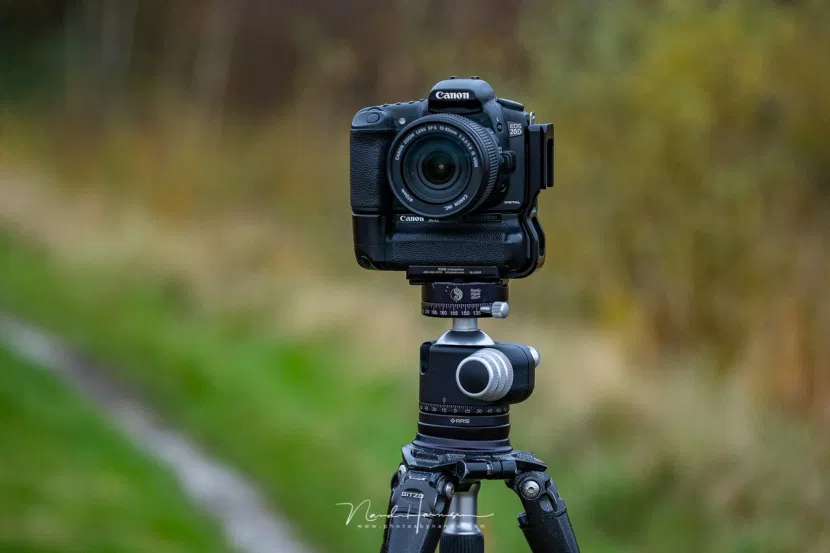
Has the Canon EOS 20D therefore become a bad camera, which cannot reasonably be used for landscape photography? If you had claimed that ten to fifteen years ago, people would have thought you were mad.
Using the dynamic range
By shooting in raw, exposing to the right (EttR), and using a well-planned workflow in Lightroom Classic or similar software, you can often get a perfectly exposed photo from a single shot.
In fact, software such as Luminar is built on that principle. It makes maximum use of the dynamic range.
.jpg "Nando lumA vs lum4 layers(1)")
I recently made a video about EttR which I recommend watching if you have not done so already. It shows what is now possible with the enormous dynamic range of modern cameras.
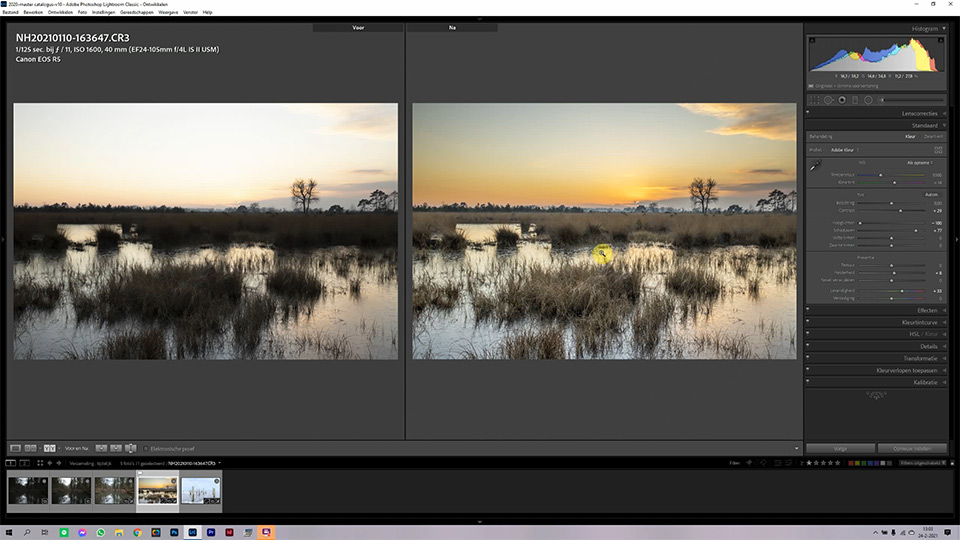
Even so, I do not believe this dynamic range is necessary for landscape photography. In fact, I think it does not even have to be important to the serious landscape photographer.
No great DR and still good photos
Do you have a camera that does not have such a large dynamic range? You can still take good landscape photos. Just as people used to do with a Canon EOS 20D, and all those similar cameras.
So how do you do that? Very simply, by using all the tools that are almost second nature to a landscape photographer. They are still used, even now that the dynamic range of modern cameras has become so large.
Make an exposure bracket
Make an exposure bracket when the dynamic range is too large. Take three, five, seven, or even more photos to capture that entire range. Later, you can merge them perfectly in the software intended for this purpose. This is then called an HDR (high Dynamic Range) photo.
You do not need a camera with an extreme dynamic range for this at all. Many landscape photographers who do have such a camera will also quickly use an exposure bracket. This guarantees the very best quality.
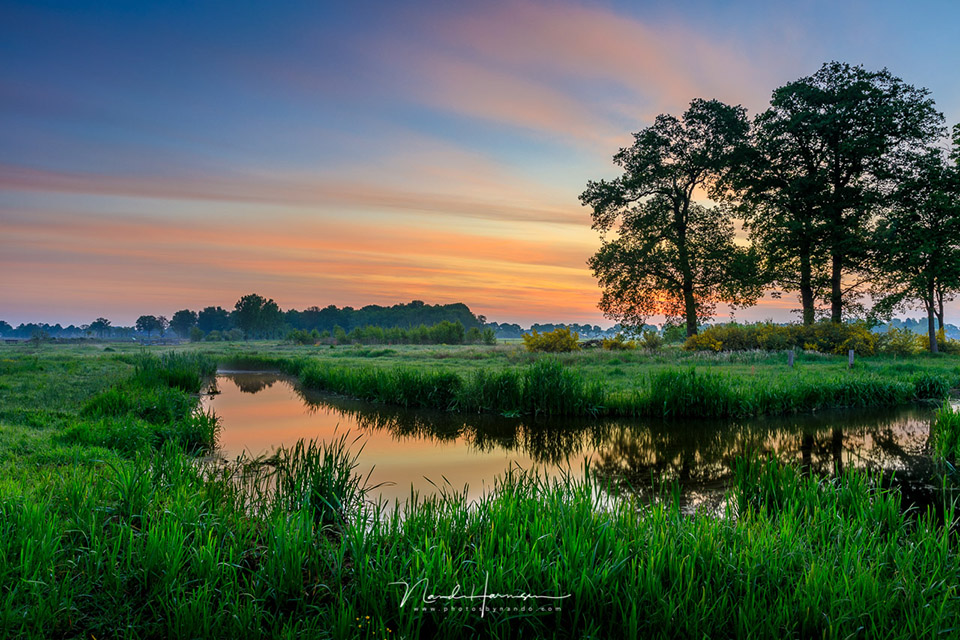
Use graduated neutral density filters
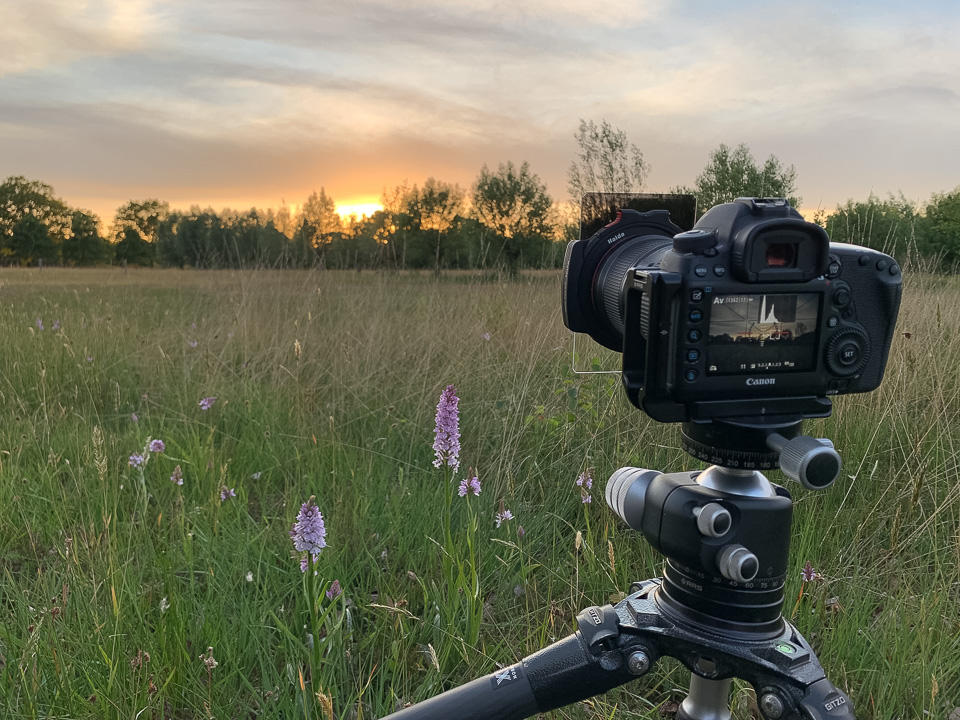
Is the dynamic range too large? Then use a graduated neutral density filter. This allows you to reduce the dynamic range in part of the photo. As a result, the exposure will be almost the same across the image.
I have to admit that filters do not work in every situation. Graduated filters have their own drawbacks. But in many cases, they will still do the job. Or perhaps only partly. You can also combine them with an exposure bracket if necessary.
A large DR is pointless, and yet it is not
From experience, I know that good image quality is very important to the landscape photographer. You want as little noise as possible in the image. That increase in noise is a real risk when bringing out the dark areas in the photo. That is why I, and perhaps most landscape photographers, often use exposure brackets and/or filters.
In other words, what is the large dynamic range of modern cameras still needed for? This leads me to conclude that a camera for landscape photography does not need an extremely large dynamic range at all.
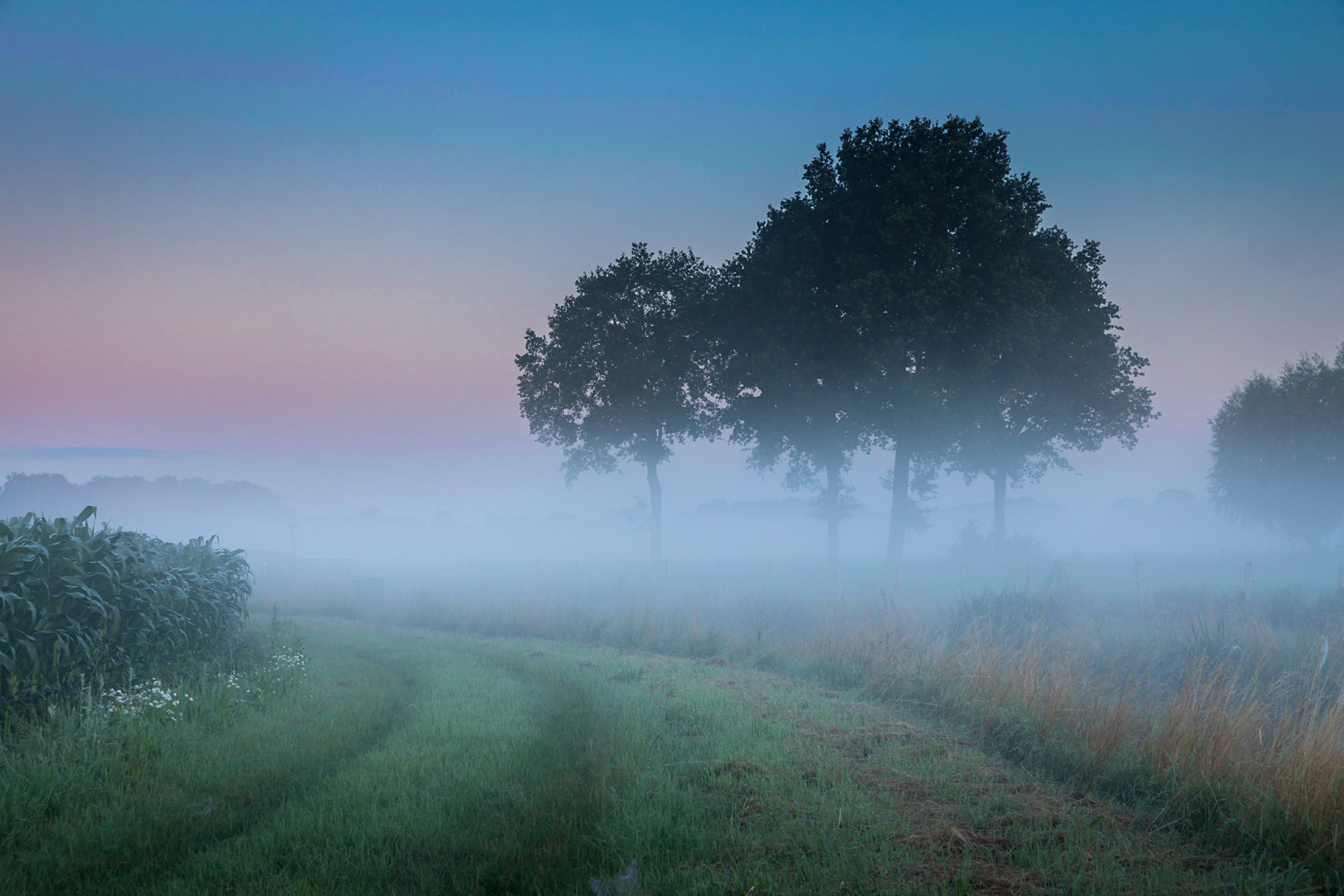
On the other hand, it is very convenient to have that enormous dynamic range. It makes you very flexible, after all. Sometimes an exposure bracket simply is not possible, or graduated filters are not practical or useful. A large dynamic range can then save you.
What do you think about your camera's enormous dynamic range for landscape photography? Do you use it, or do you prefer to fall back on exposure brackets and graduated filters? Tell us in a comment below this post.
About the author
Nando Harmsen has been photographing for more than 40 years. He specialises in wedding photography and landscape photography. Nando also gives talks, workshops, masterclasses and photo trips, and regularly reviews new and interesting equipment.
You might also like
-
 Review: HDR and Dynamic Range Course
by Martin van Rooij
-
 HDR: What do you mean?
by Rob IJsselstein
-
 Got flare in your HDR photo? Remove it with your finger
by Nando Harmsen
-
 An HDR photo is just a photo
by Nando Harmsen
-
 Programme your camera for HDR
by Nando Harmsen
-
 Edit an HDR like a normal photo
by Nando Harmsen
3 comments
-

 Donald Willemsen
wrote on Wednesday 24 March 2021 at 00:29
| reply
Donald Willemsen
wrote on Wednesday 24 March 2021 at 00:29
| reply
An interesting article. All the more so because as a Canon user I very often hear the complaint that Canon lags behind other brands in terms of dynamic range. I can't judge whether it's true, because I only work with the Canon I have.
Translated from Dutch.
Among those complainers are also professionals who use Canon. I myself use the EOS 70 and 80D and they may indeed lag behind in terms of dynamic range, but the EOS R5 and R6? It seems unlikely to me that they still lag behind other brands.
I don't worry about it too much myself. I photograph in RAW and keep an eye on the histogram. I have to do post-processing anyway and can still improve a lot.
Nando, I see you reaching for the Canon very often too and you must have experienced how it is. The professional Canon models in particular will surely have a better sensor than a mid-range model like the one I have. -
 Nando
wrote on Tuesday 30 March 2021 at 10:51
| reply
Nando
wrote on Tuesday 30 March 2021 at 10:51
| reply
@Donald;
Translated from Dutch.
people are quick to complain, especially about the DR of a camera. With modern cameras, it’s often about a one-stop difference, or even less.
The reason why I reach for a Canon is very simple. I chose that brand once, after all. -
 Martin
wrote on Tuesday 30 March 2021 at 13:04
| reply
Martin
wrote on Tuesday 30 March 2021 at 13:04
| reply
(Thanks to the knowledge I have gained through Photofacts) I often use exposure bracketing in landscape photography, but it does have one important drawback: it really needs to be windless. Otherwise, when merging the photos, you get ghosting. That can't always be removed properly, which makes the photo look blurry in those places.
Translated from Dutch.
I don't use filters much. I find them a hassle, good filters are very expensive and unfortunately no filter fits on my Nikon 14-24 mm with its excellent glass...
Have your say
Please note: Articles older than a week can only be commented on by signed-in visitors.Would you still like to comment? sign in or create a free account.
Become a better photographer every week
A practical photography tip in your inbox every week.
39,103 photography enthusiasts already receive the tips! More about the weekly mail. Or keep up to date via  Facebook.

Elja Trum
Photofacts; everything to do with photography!
Would you like to take better photos and keep up with what is happening in photography? Photofacts publishes articles that teach you something about photography — from a product announcement to a practical shooting tip or a look at a website. Photofacts covers photography every day and is a hobby project of Elja Trum's that got out of hand. The articles are written by a team of volunteer authors. If you would enjoy writing one or more articles for Photofacts, do get in touch.More about PhotofactsPhotofacts is made possible in part by
