

HDR photography tip: don't overuse it
Thursday 14 May 2020, 14:28 by Nando Harmsen | 5,101 views | 0 commentsThis article was translated from Dutch with the help of AI. Read the original.
HDR is the English abbreviation for High Dynamic Range. In Dutch, this means a high dynamic range, or a wide dynamic range. It means that a photo has a greater dynamic range than the camera can capture.
You use a wide dynamic range to prevent parts of a photo from being overexposed or underexposed. To achieve this, you need to take a series of photos with different exposures, which are then merged into a single image with software.
This way of photographing makes it possible to see details in the lightest and darkest parts of a photo. Landscape photographers often use it, as do photographers who photograph (old) buildings or interiors.
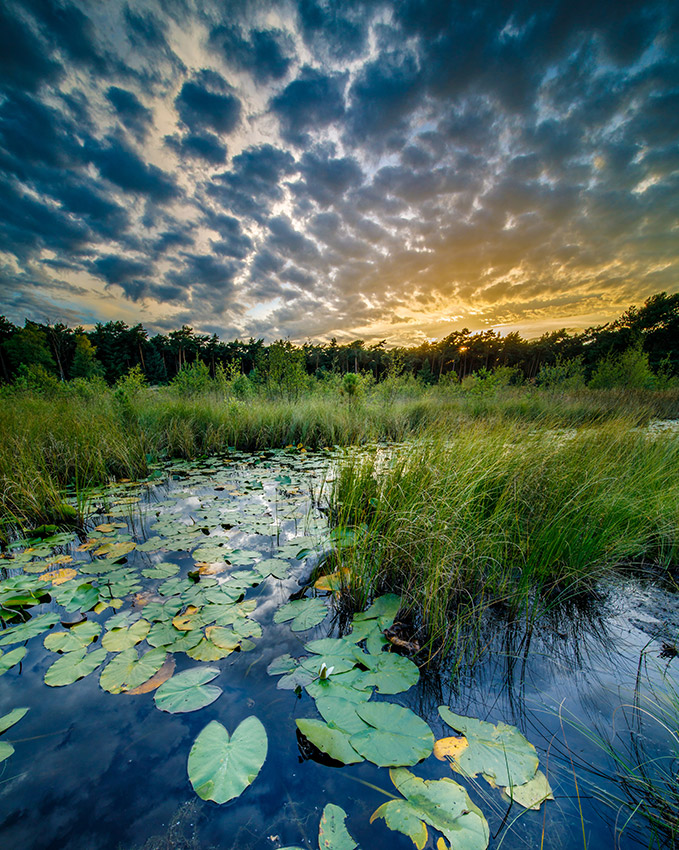
12mm, ISO100, f/11, shutter speeds between 1/6s and 1/125s
When the exposure of your subject fits neatly within the dynamic range of your camera, HDR is not needed. Check the histogram on your camera's screen. If the histogram does not reach the sides, you do not need to make an exposure bracket for HDR.
Suppose you are in a situation where a high dynamic range is needed to prevent overexposure or underexposure. Ask yourself whether it is actually necessary to keep everything within the dynamic range. Sometimes it is better to keep parts of a photo very dark or very light.
So be critical about whether your photo really needs HDR. If you are not sure, you can always make an exposure bracket and decide afterwards whether or not you want to use HDR.
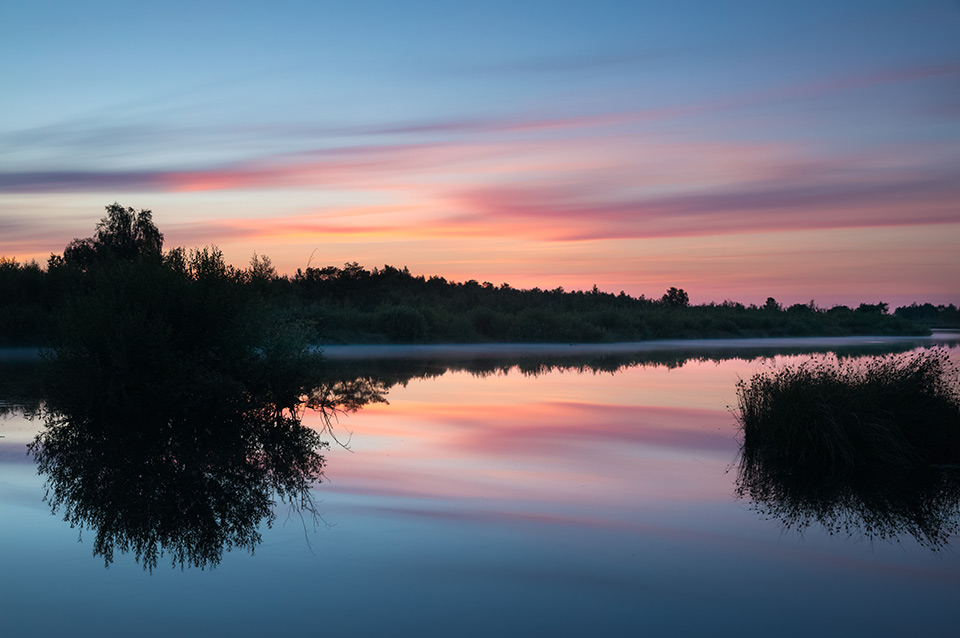
44mm, ISO100, f/11, 242s
This is one of the tips you can find in De Fotografiebijbel, a book with 105 tips for fascinating photography. It includes tips for HDR photography, as well as lots of other photography tips and advice on post-processing.
You can order the book for just 20 euros at fotografiebijbel.nl.
About the author
Nando Harmsen has been photographing for more than 40 years. He specialises in wedding photography and landscape photography. Nando also gives talks, workshops, masterclasses and photo trips, and regularly reviews new and interesting equipment.
You might also like
-
 Review: HDR and Dynamic Range Course
by Martin van Rooij
-
 HDR: What do you mean?
by Rob IJsselstein
-
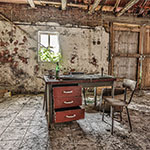 An HDR photo is just a photo
by Nando Harmsen
-
 Programme your camera for HDR
by Nando Harmsen
-
 How many shots do you need for an HDR?
by Nando Harmsen
-
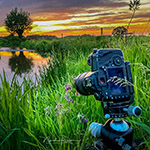 The (Un)importance of High Dynamic Range in Landscape Photography
by Nando Harmsen
0 comments
Be the first to share what you think!
Have your say
Please note: Articles older than a week can only be commented on by signed-in visitors.Would you still like to comment? sign in or create a free account.
Become a better photographer every week
A practical photography tip in your inbox every week.
38,937 photography enthusiasts already receive the tips! More about the weekly mail. Or keep up to date via  Facebook.

Elja Trum
Photofacts; everything to do with photography!
Would you like to take better photos and keep up with what is happening in photography? Photofacts publishes articles that teach you something about photography — from a product announcement to a practical shooting tip or a look at a website. Photofacts covers photography every day and is a hobby project of Elja Trum's that got out of hand. The articles are written by a team of volunteer authors. If you would enjoy writing one or more articles for Photofacts, do get in touch.More about PhotofactsPhotofacts is made possible in part by
