

Photographing with Canon's cheap primes
Friday 13 May 2022, 22:44 by Nando Harmsen | 5,656 views | 6 commentsThis article was translated from Dutch with the help of AI. Read the original.
In collaboration with Canon, I went out with a set of prime lenses for their mirrorless camera system. What is it like working with fixed focal lengths, especially when it comes to relatively cheap primes? I took them to the Tarn in France to find out.
.jpg "Sized NH20220509 142853(1)")
Most photographers use zoom lenses. This is not surprising, as they give you a wide range of focal lengths in a single lens. This means you have to change lenses less often, and you can cover a huge range with two lenses. However, zoom lenses have a few disadvantages.
Disadvantage of zoom lenses
The main disadvantage of a zoom lens is its relatively small maximum aperture. A compact zoom lens soon gives you a maximum aperture of f/4 to f/5.6. That does not have to be a problem, until there is less light available.
If you want a zoom lens with a larger aperture, you soon end up with the often extremely expensive professional lenses. These have a maximum aperture of f/2.8, with only a few offering one stop more.
Apart from the cost, the disadvantage of zoom lenses with a large maximum aperture is their size and weight. They are big and heavy, which not everyone will appreciate. This can become less pleasant, especially when you are out all day.
Those large, heavy zoom lenses now produce good image quality. If you choose smaller, lighter and, above all, cheaper zoom lenses, you lose out not only on light sensitivity, but often on image quality too.
A set of compact prime lenses can be a good solution.
The trinity of primes
There are two types of prime lenses: the large, heavy and especially expensive primes, and their smaller, cheaper alternatives. Those smaller versions are particularly interesting.
Despite their small size, they still have a large maximum aperture, even larger than the expensive professional zoom lenses. They also deliver fantastic image quality because they have just one focal length.
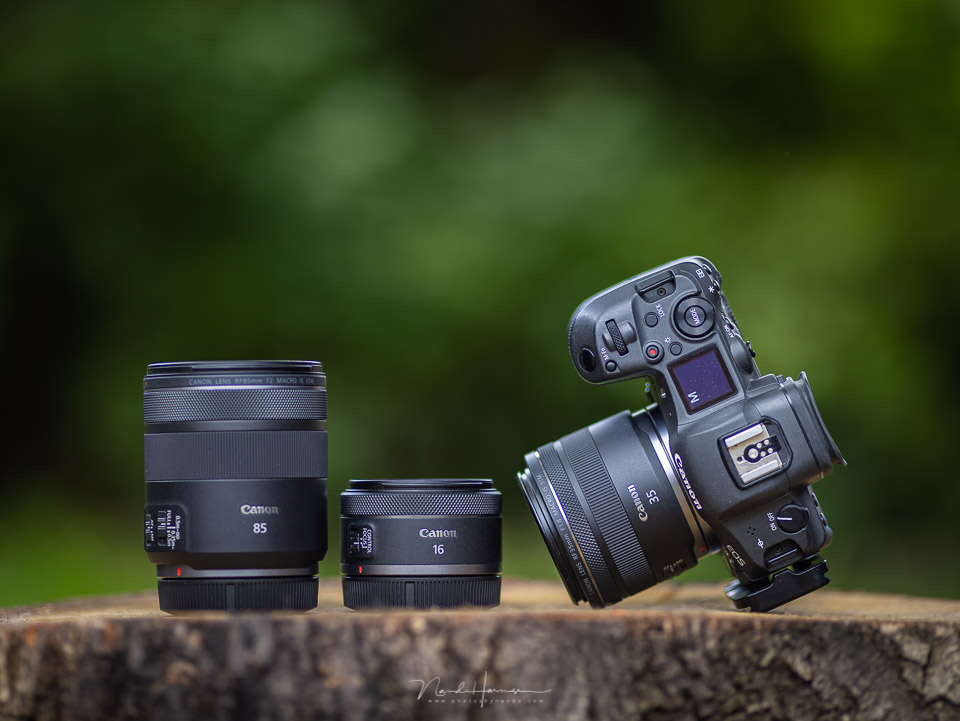
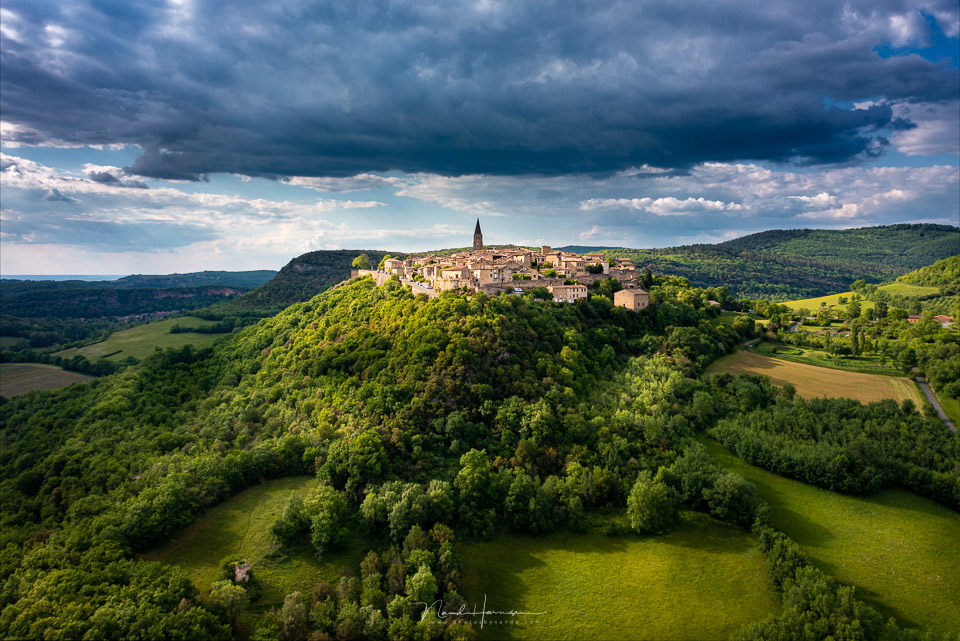
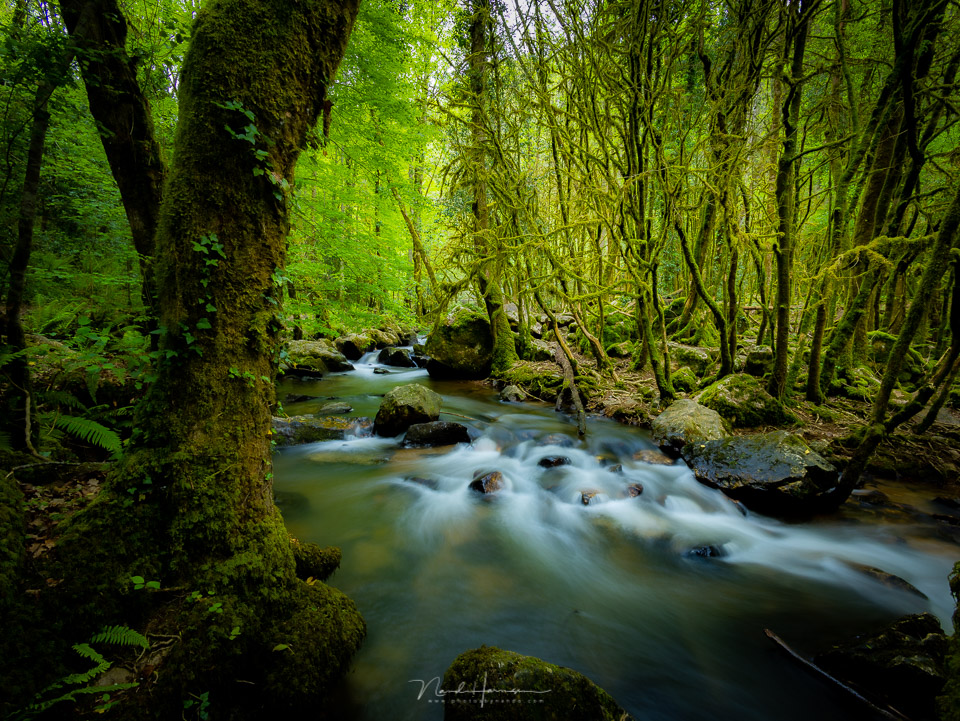
I chose to spend a week out with an RF 16mm f/2.8 STM, an RF 35mm f/1.8 IS STM macro, and an RF 85mm f/2 IS STM macro. Three small, light-sensitive lenses with which I photographed landscapes and the bastide villages of the French Tarn.
The numbers at a glance
To make a fair comparison, we have to assume that you need or want a large maximum aperture. At least f/2.8, as that is what the zoom lenses offer at most. This means that in this case we are comparing two professional zoom lenses.
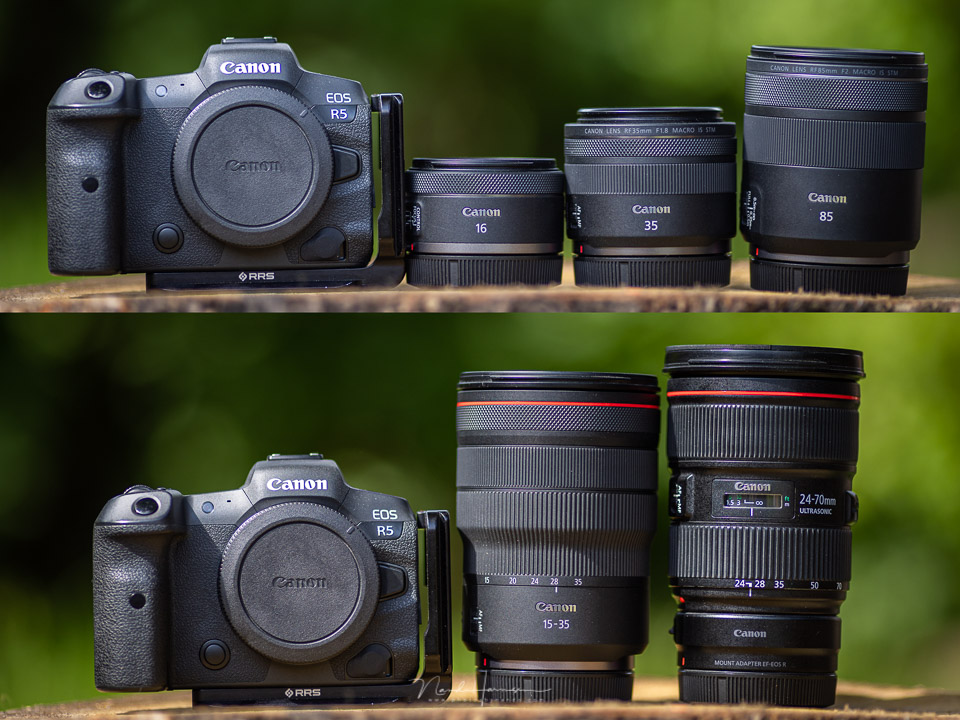
For comparison, the best options are the RF 15-35mm f/2.8L IS USM and RF 24-70mm f/2.8L IS USM. Together, they give you more or less the same range as the set of primes. Both have an aperture of f/2.8 throughout the range.
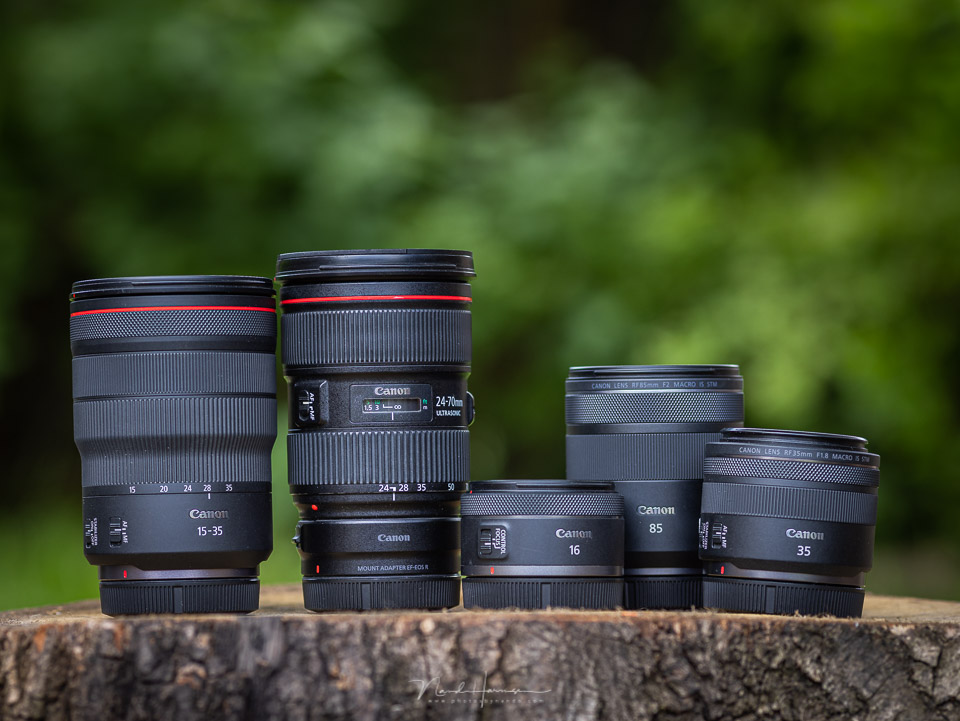
Together, these lenses weigh 1.8 kg and measure 88.5 x 126.8 mm and 88.5 x 125.7 mm. At the time of writing, the two lenses have a combined purchase price of 4,875 euros.
The RF 16mm, RF 35mm macro and RF 85mm macro have maximum apertures of f/2.8, f/1.8 and f/2 respectively. Although the RF 16mm does not let in more light than the zoom lenses, the other two let in roughly twice as much light.
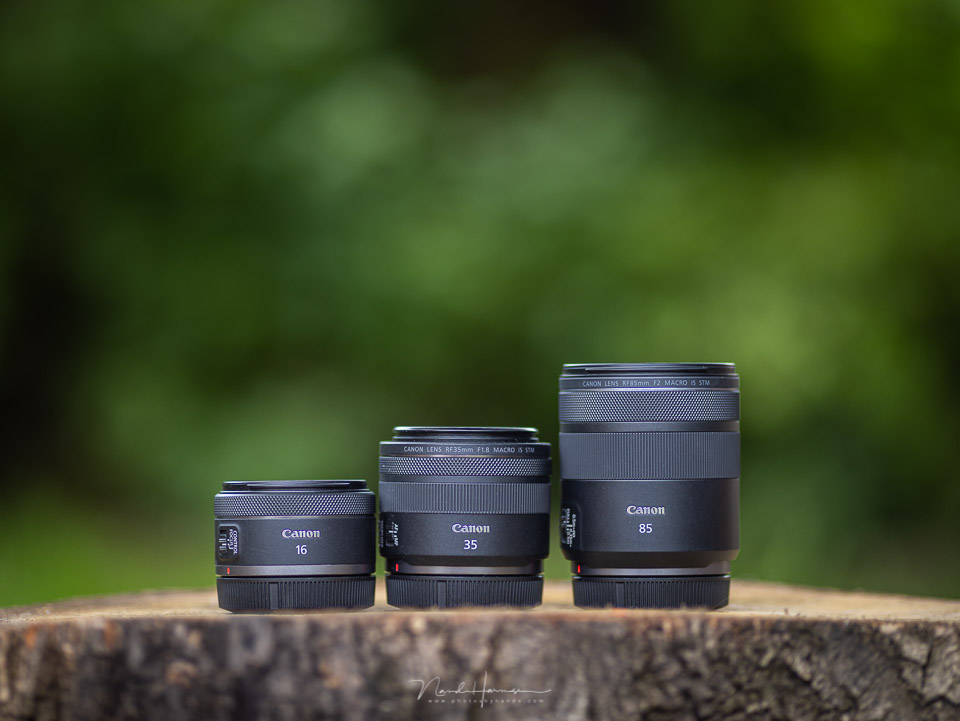
The biggest difference is in the weight and dimensions. All three lenses together weigh just 970 grams. Their dimensions are 69.2 x 40.1mm, 74.4 x 62.8mm and 78 x 90.5mm. The purchase price is 1,597 euros.
The RF 35mm and RF 85mm have another advantage. These two lenses allow you to take macro shots at a magnification of 0.5x. Zoom lenses often only reach a magnification of 0.25x. The primes effectively make a separate macro lens unnecessary.

A condition for comfortable use of primes
I took the three primes and my Canon EOS R5 in a small backpack. That seems like a good choice, but it is not. Since you have to change lenses more often with primes, a backpack is not practical.
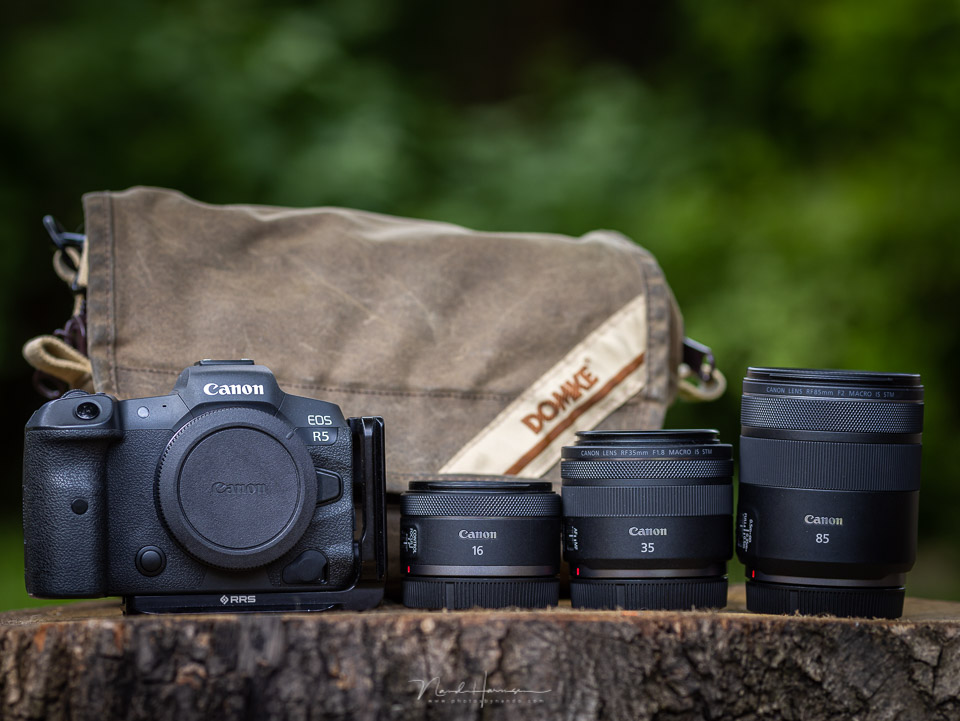
A shoulder bag gives you immediate access to your lenses. It does not need to be a large bag, as your lenses are so small and light. If you carry the camera with the RF 35mm in your hand or around your neck, you only have 665 grams left in your shoulder bag. That is the same weight as a bottle of water.
Using them in practice
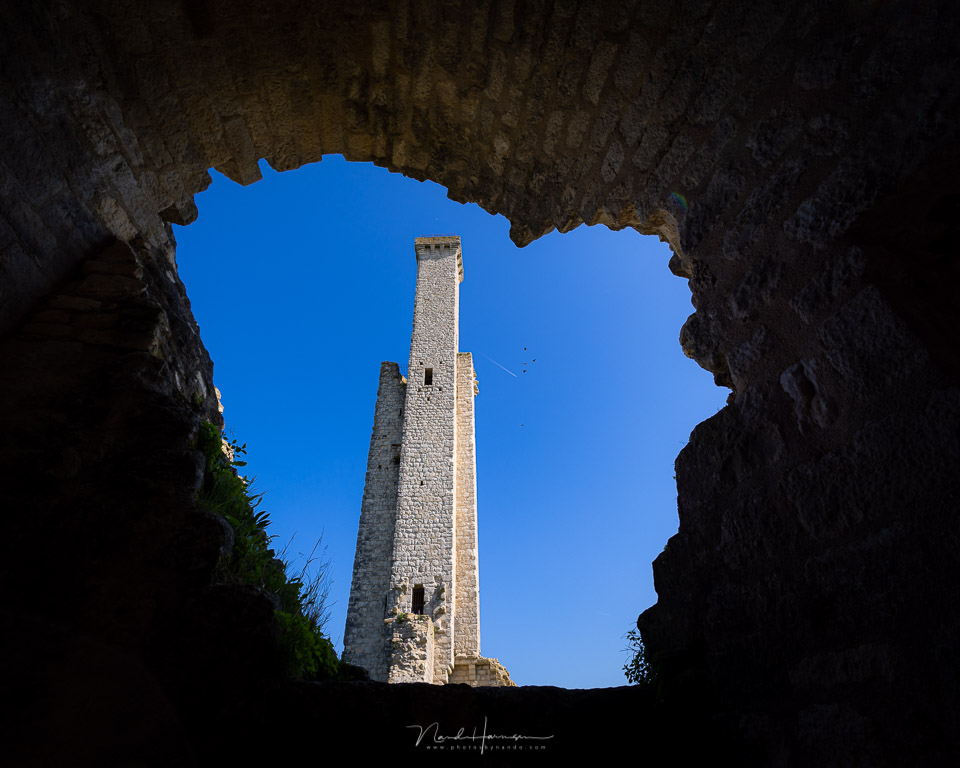
The Canon EOS R5 with an RF 35mm f/1.8 IS STM macro is compact and light, and the focal length is ideal for almost every type of photography. It was an ideal focal length for walking and photographing in the bastide villages.
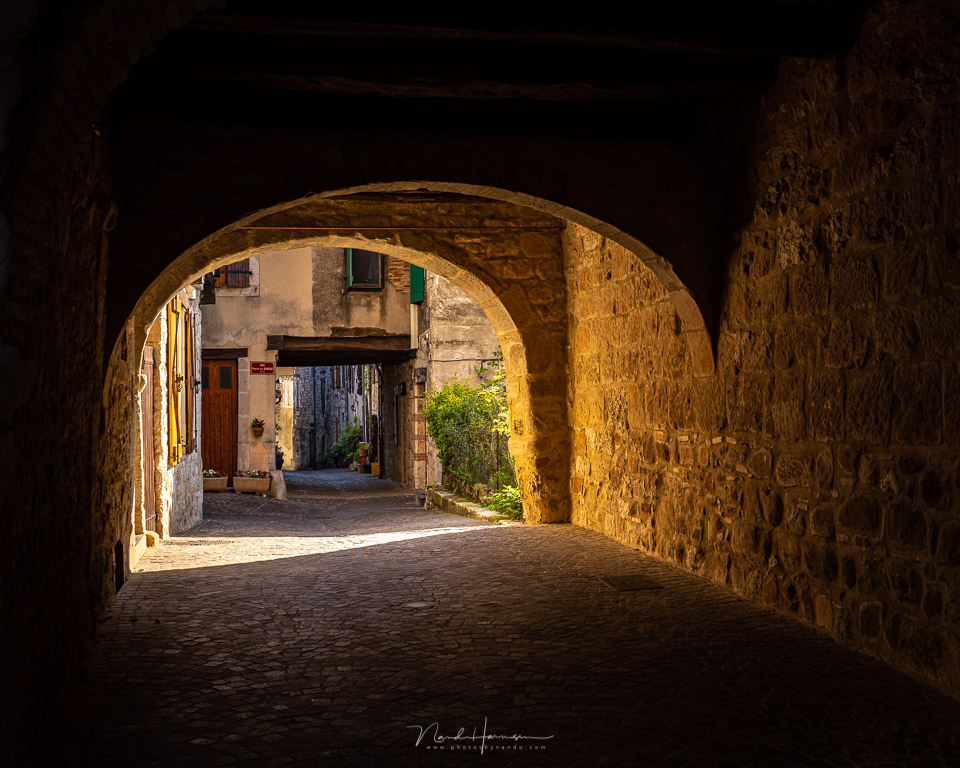
The RF 16mm worked perfectly for landscapes. This combination is even more compact than the camera with the RF 35mm. For the times when I needed more reach, both in the landscapes and in the bastide villages, I had the RF 85mm available.
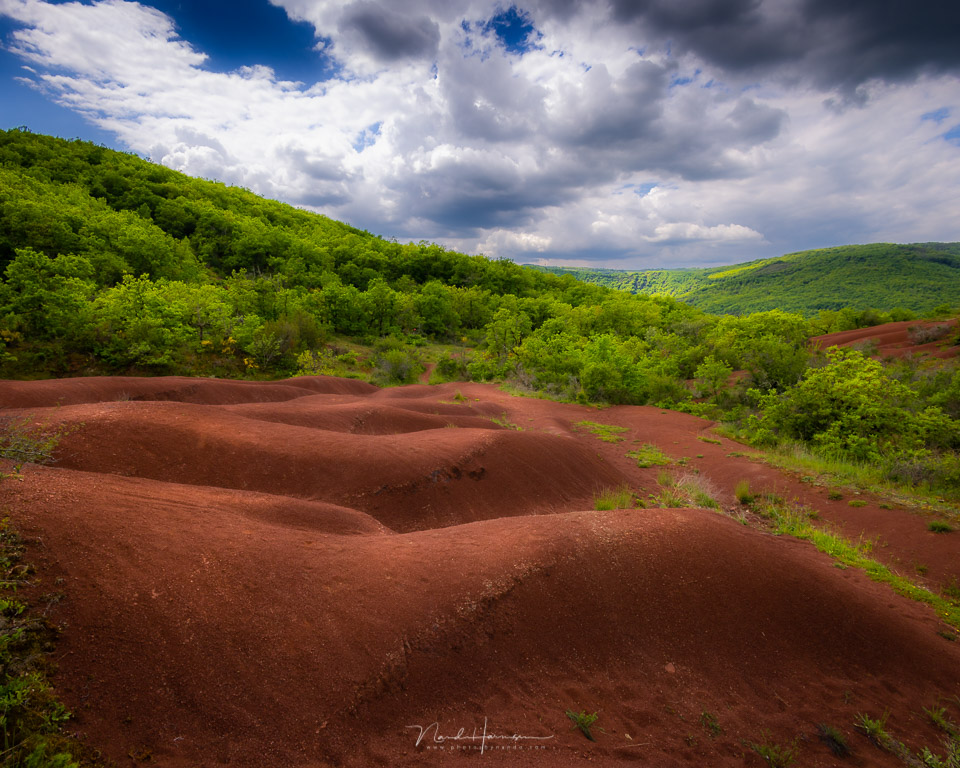
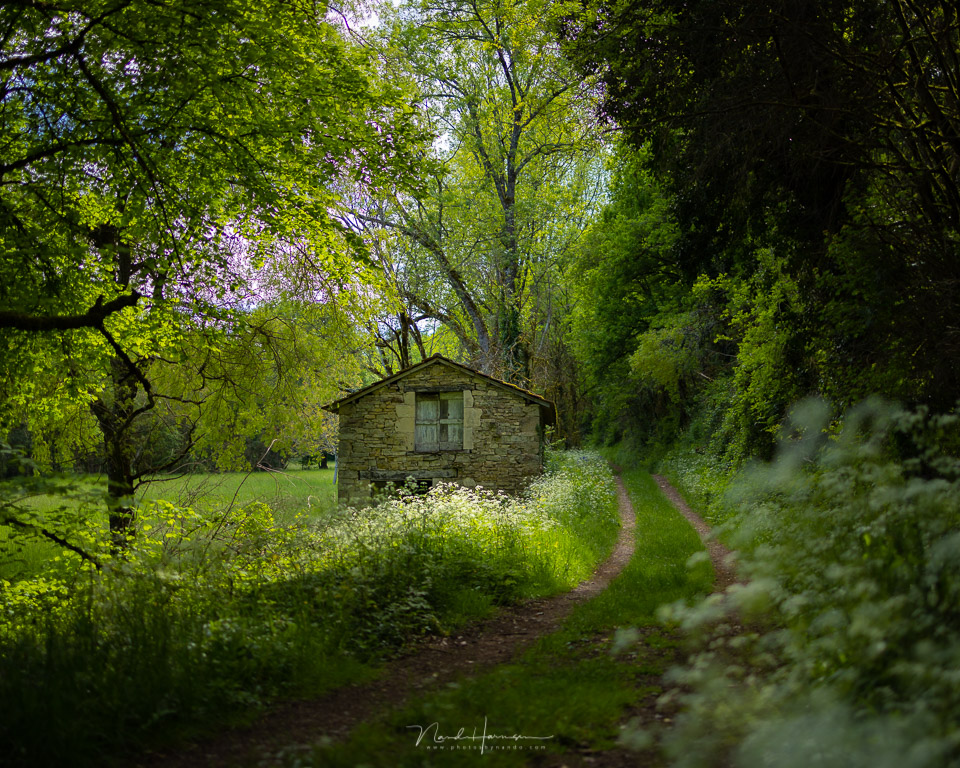
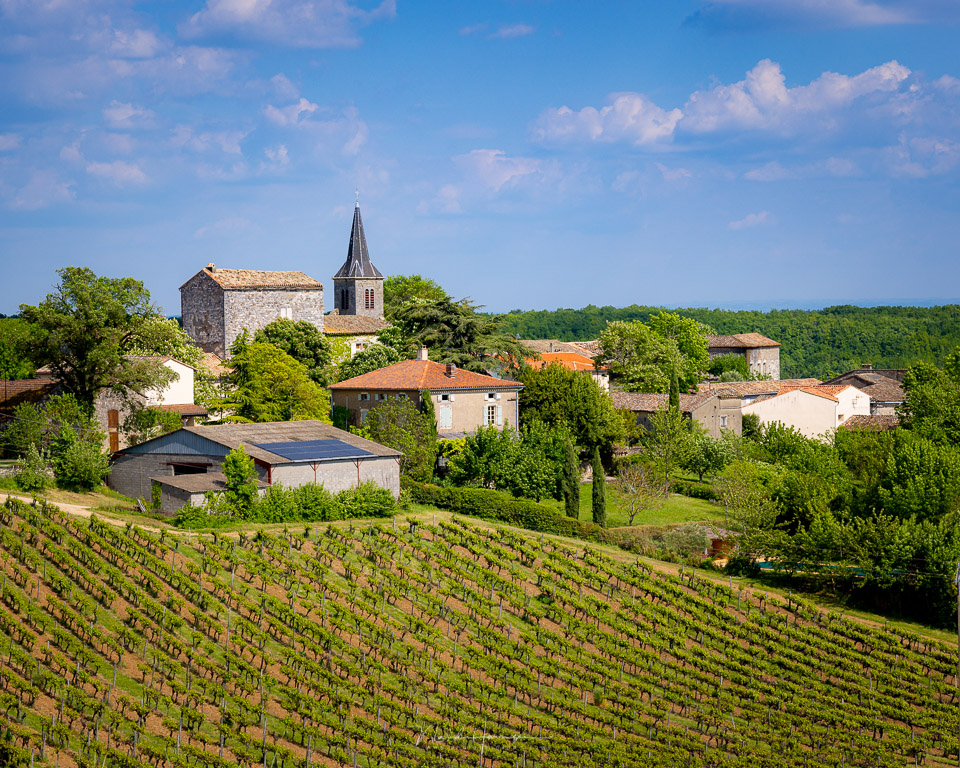
In practice, the frequency of changing lenses was not too bad at all. Above all, exploring all the villages and landscapes was a joy because I had to carry very little weight.
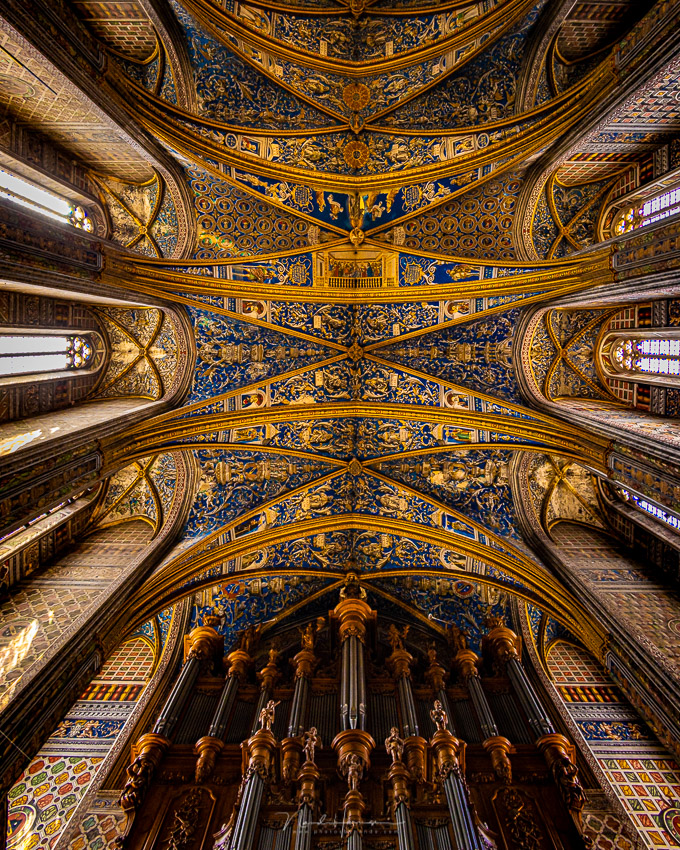
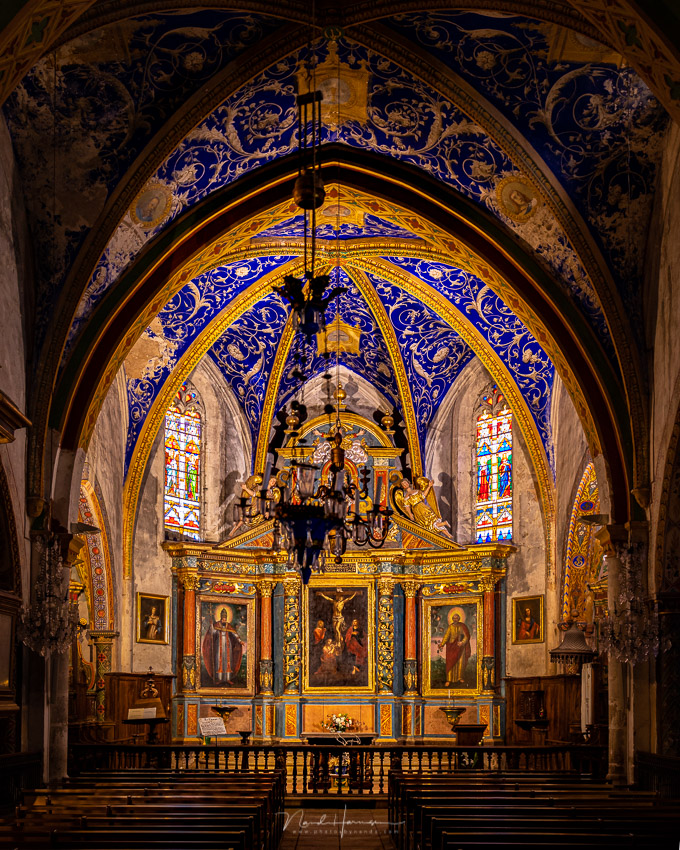
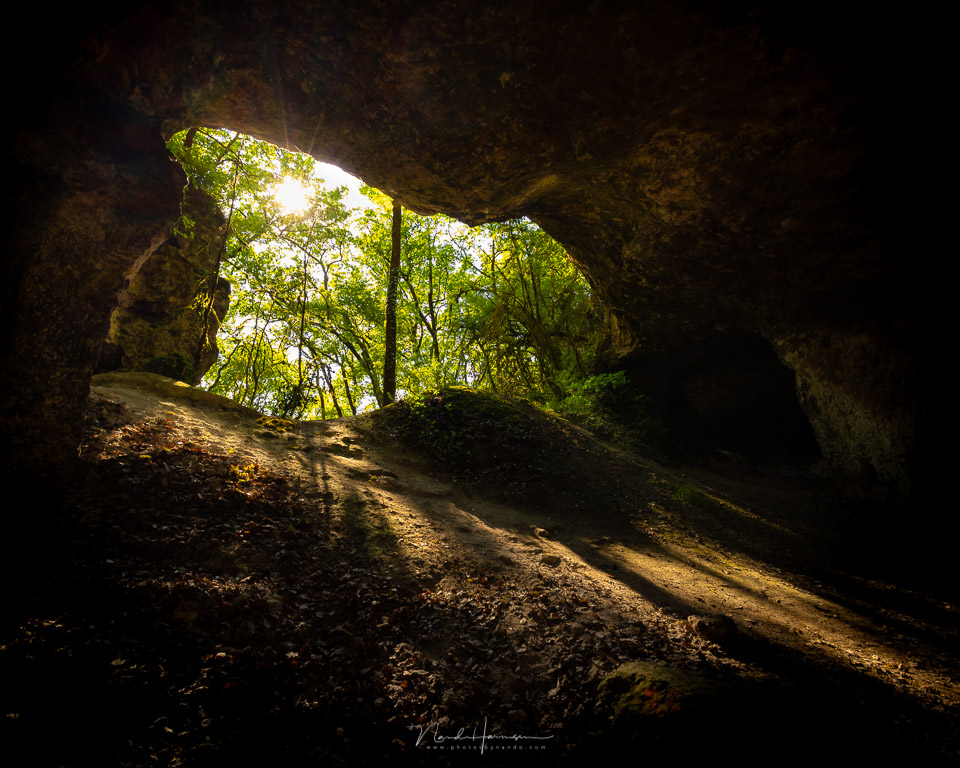
The large maximum aperture of these lenses came in handy when visiting the beautiful churches and the impressive cathedral of Albi. Photographing without a tripod was no problem at all. The large maximum aperture also gave me that beautiful shallow depth of field.
Is 85mm enough?
The question of whether 85mm is enough reach will inevitably come up. It is also a perfectly valid question, as in some situations a longer focal length would be desirable. At present, there is no prime available that is longer than 85mm, apart from the RF 600mm and RF 800mm.
Fortunately, I have 45 megapixels at my disposal, making it easy to simulate a longer focal length by cropping. This means that with an 85mm focal length, you can still get a crop equivalent to 170mm or even 200mm.
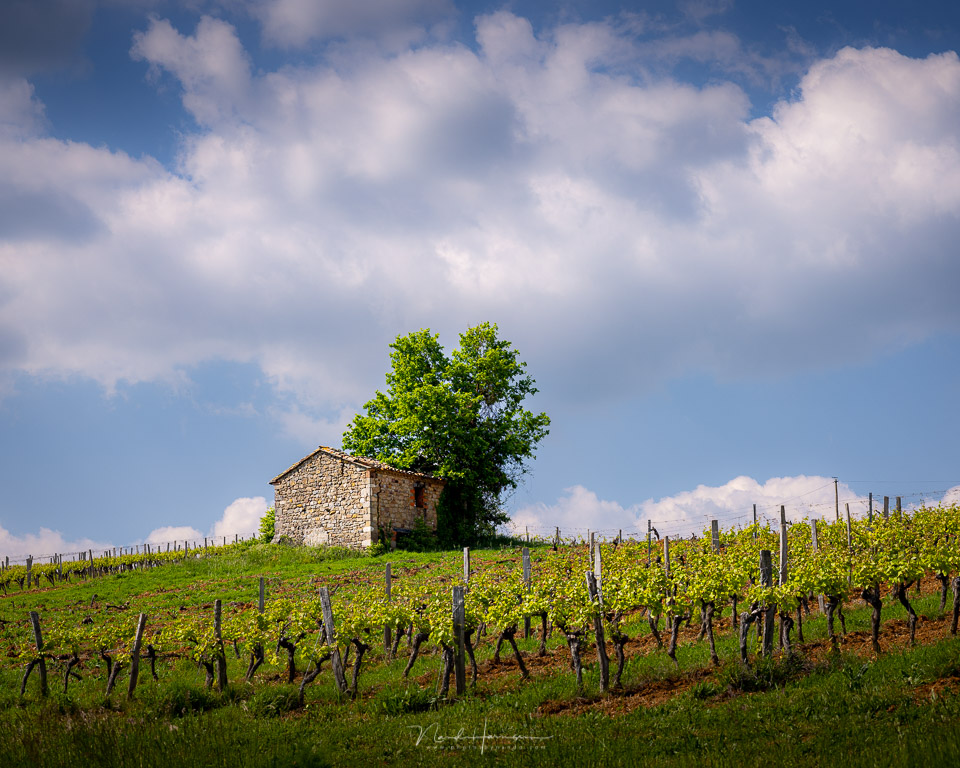
However, I could count the situations in which I found the focal length too short on one hand. In that respect, I do not think you will quickly feel that anything is missing. If those moments do occur frequently, a different choice of lenses will be necessary for you.
Disadvantages of the cheaper primes
There are some compromises you have to make with Canon's small, light primes. You notice a considerable difference compared with the more expensive L-primes in terms of build and performance.
The stepping motor (STM) that provides autofocus makes more noise and is noticeably slower than the fast USM motors. The lenses also extend when focusing.
The construction is simple, using plastic materials. This is not a problem, as it is good-quality plastic, but you miss the robustness of the more expensive lenses. They are also not weather-sealed against water and dust.
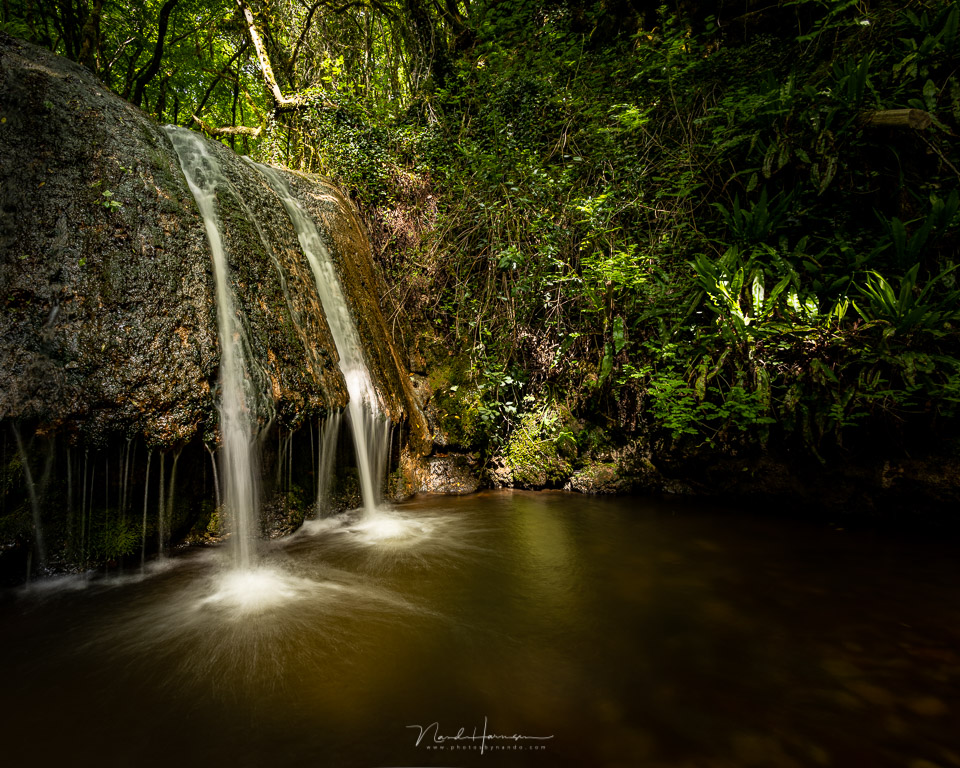
In terms of image quality, you naturally do not get the quality of the L-series lenses. In general, that is not a problem at all, as it is barely noticeable for this type of use. You may see a little less sharpness around the edges of the photo. You have to look carefully, though.
These disadvantages do not outweigh the benefits these lenses offer. Their lightweight and compact design makes them perfect travel companions.
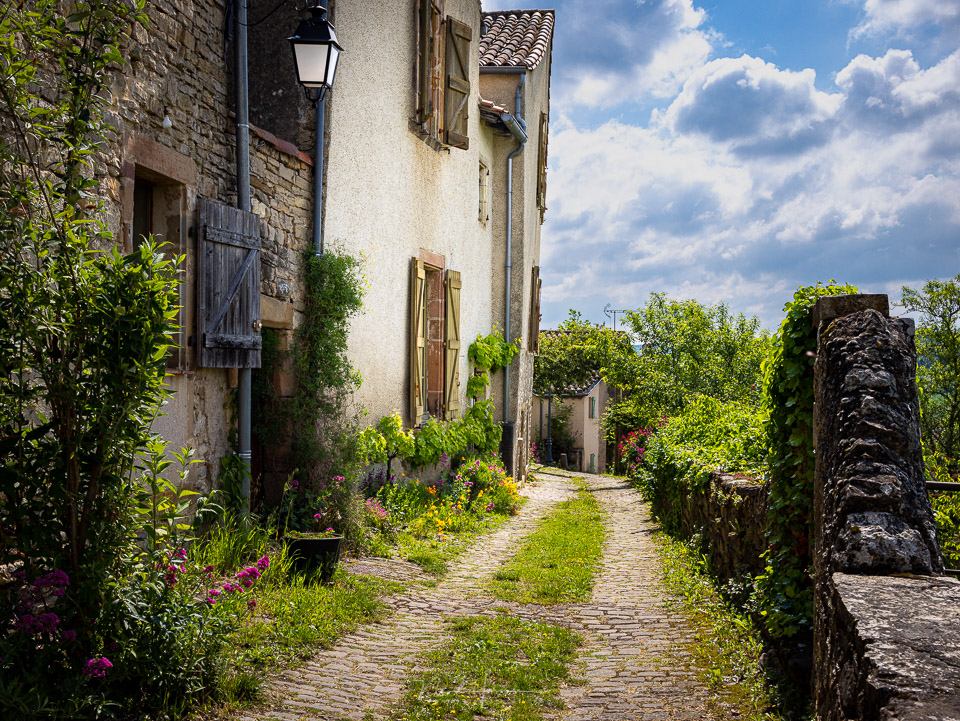
Conclusion after a week of photography
Until now, I have always photographed with lenses from the L-series. For trips like this one to the French Tarn, I would have chosen two zoom lenses. In this case, the RF 15-35mm f/2.8L IS USM and my old, trusted EF 24-70mm f.2,8L II USM with the adapter. Two relatively large and heavy zoom lenses.
However, I really enjoyed using the lighter primes. I mainly used the RF 35mm f/1.8 IS STM macro, simply because it has such a pleasant focal length. Where necessary, I changed to one of the other two lenses.
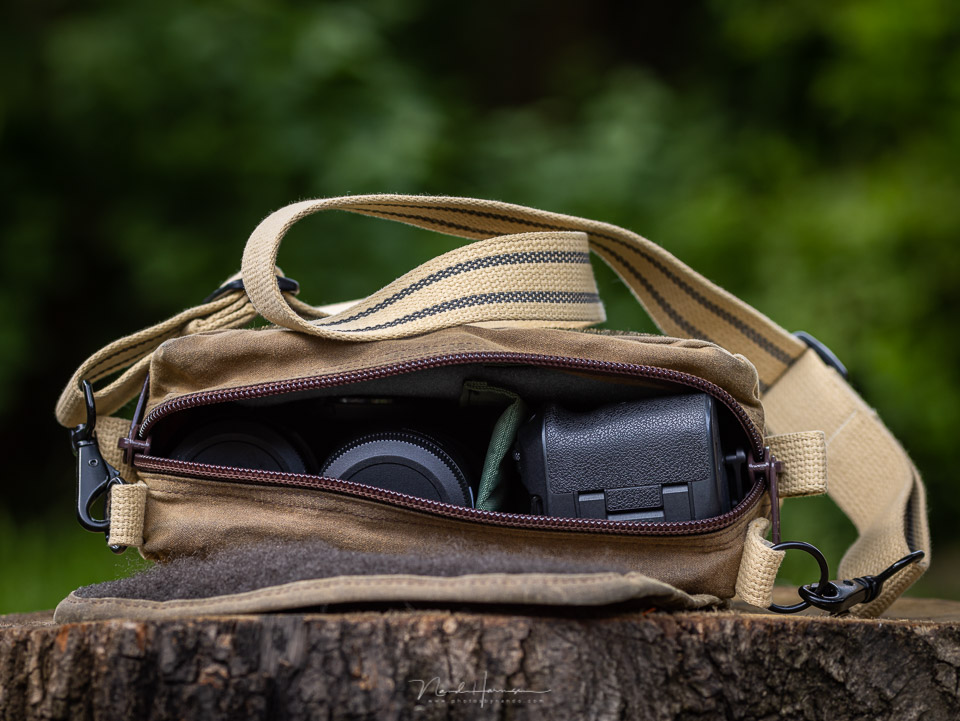
I did make the mistake of using a small backpack, which made changing lenses less pleasant. I should have known this, but I had not thought it through properly. A small, compact shoulder bag is the best choice in this case.
If you want to travel light without the disadvantage of a small maximum aperture, I can certainly recommend a combination of three primes like these from Canon. They offer so many advantages that they far outweigh the disadvantages.
What about other brands?
Of course, I use Canon lenses because I chose this brand at some point. That does not mean that all these advantages apply only to Canon. Nikon and Sony have similar small and light lenses in their ranges.
If this way of photographing appeals to you, do have a look at what your brand has to offer in terms of small, compact and, above all, relatively cheap primes.
About the author
Nando Harmsen has been photographing for more than 40 years. He specialises in wedding photography and landscape photography. Nando also gives talks, workshops, masterclasses and photo trips, and regularly reviews new and interesting equipment.
You might also like
-
 The ideal choice for primes
by Nando Harmsen
-
 For inspiration: images from Tarn, France
by Nando Harmsen
-
 Review: The Canon RF 85mm macro lens
by Nando Harmsen
-
 Review: Canon RF 70-200mm f/2.8L IS
by Nando Harmsen
-
 Review: the Canon RF 50mm f/1.8 STM
by Nando Harmsen
-
 Review: Canon RF 24-240mm f/4-6.3
by Michelle Peeters
6 comments
-

 Donald Willemsen
wrote on Friday 13 May 2022 at 23:24
| reply
Donald Willemsen
wrote on Friday 13 May 2022 at 23:24
| reply
A very interesting article and I agree with you, Nando. Of course, it is the case that with primes you have to use your legs to 'zoom'. The latter is difficult for me because I have difficulty walking and cannot stand stably unsupported on my legs. That limits me in taking up the best position. That is why I almost always use zooms for landscape, architecture, street and nature photography. I do have a number of primes, but I mainly use them in my studio and for macro photography.
Translated from Dutch. -
 martinphili wrote on Saturday 14 May 2022 at 07:16
| reply
martinphili wrote on Saturday 14 May 2022 at 07:16
| reply
I used Canon's famous Plastic Fantastic 50 mm 1.8 for years, until it fell on the ground and I had two of them.
Translated from Dutch.
Even such a cheap little thing delivers great performance and could hold its own against the more expensive zoom lenses back then. I suspect that comparison would turn out differently nowadays, the zoom lenses have improved quite a bit in quality, which removes much of the need for a prime.
Primes are indeed wonderfully light, especially nice if you have to walk around all day. Still, nowadays there are quite a few lightweight compact (system) cameras that can keep up very well in terms of quality.
I walk around with a 5D plus battery grip and a 24-105 myself (and at the track sometimes even with a 40D with a 70-300 as well) and after such a day I've really had enough, I can admit that. But I can handle every situation and I don't have to miss a beautiful moment because I have to change a lens very quickly. That makes the choice very clear for me, despite my tired back.
The image quality of especially the 5D has never disappointed me so I don't need to use a prime for that either. Moreover, for me the image itself, the story the photo tells, is MUCH more important than sharpness.
An additional advantage is that my sensors don't get dusty as quickly. That saves another trip to the camera shop
-
 Michiel wrote on Saturday 14 May 2022 at 10:29 | reply
Of course, I’m now very curious whether you, Nando, will be going out with primes more often and working with them.
Translated from Dutch.
Primes certainly appeal to me, because you can quickly have access to a faster lens that is often more compact as well. The weight is a nice bonus then.
What Donald says about zooming with your feet is fair, and I also find it a challenge to think more about your composition and your viewpoint than when you “just use a zoom lens”. -
 Nando
wrote on Tuesday 17 May 2022 at 09:14
| reply
Nando
wrote on Tuesday 17 May 2022 at 09:14
| reply
@Donald Willemsen and Michiel: zooming and 'zooming with your feet' are two completely different things. The result is not the same.
Translated from Dutch.
@Michiel: whether I go out with primes more often? I already do that regularly. But the three lenses I had now, they have to go back to Canon. -
-
Donald Willemsen
wrote on Tuesday 17 May 2022 at 10:28
| reply
@Nando, that's completely correct. When zooming with a lens, the angle of view changes. When zooming with your feet the angle of view always stays the same. When zooming with your feet, you can move farther away from the subject, which means, for example, that you can get more of a building in the photo.
Translated from Dutch.
So Nando, you are completely right. The result is indeed not the same.
Have your say
Please note: Articles older than a week can only be commented on by signed-in visitors.Would you still like to comment? sign in or create a free account.
Become a better photographer every week
A practical photography tip in your inbox every week.
39,024 photography enthusiasts already receive the tips! More about the weekly mail. Or keep up to date via  Facebook.

Elja Trum
Photofacts; everything to do with photography!
Would you like to take better photos and keep up with what is happening in photography? Photofacts publishes articles that teach you something about photography — from a product announcement to a practical shooting tip or a look at a website. Photofacts covers photography every day and is a hobby project of Elja Trum's that got out of hand. The articles are written by a team of volunteer authors. If you would enjoy writing one or more articles for Photofacts, do get in touch.More about PhotofactsPhotofacts is made possible in part by
