

The optimal exposure setting for every situation
Saturday 2 May 2026, 20:20 by Nando Harmsen | 1,607 views | 2 commentsThis article was translated from Dutch with the help of AI. Read the original.
Setting the exposure on a camera does not have to be difficult. It is a matter of making a few choices. That will almost always give you the optimal setting. The only thing you need is the exposure meter.
You can photograph in P, A, S or M. Apart from the P setting (Program), you always have to make choices. Those choices depend on what you are photographing, and which setting is most important for your subject.
First choose what is important for your photo. Choose the shutter speed when action and movement are important. Choose the aperture when depth of field is important. I will use depth of field as the first example, followed by shutter speed.
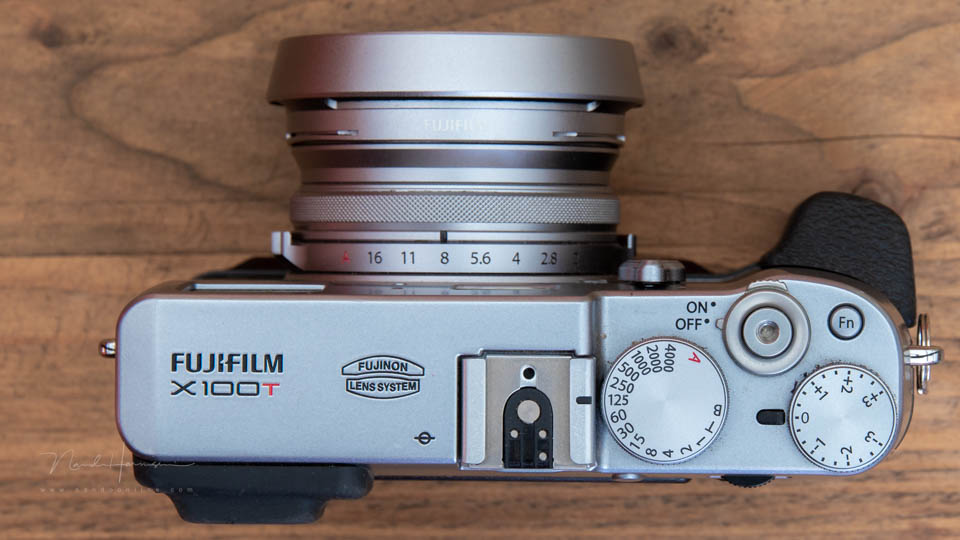
You should use ISO as a safety net, rather than to set the exposure. Start with a low ISO value. That could be ISO 100, 200 or 400. Increase it when necessary.
When aperture is important
Choose an aperture that gives you the desired depth of field. A small number gives a shallow depth of field, while a large number gives a deep depth of field. Set this, then use the shutter speed to set the exposure correctly.
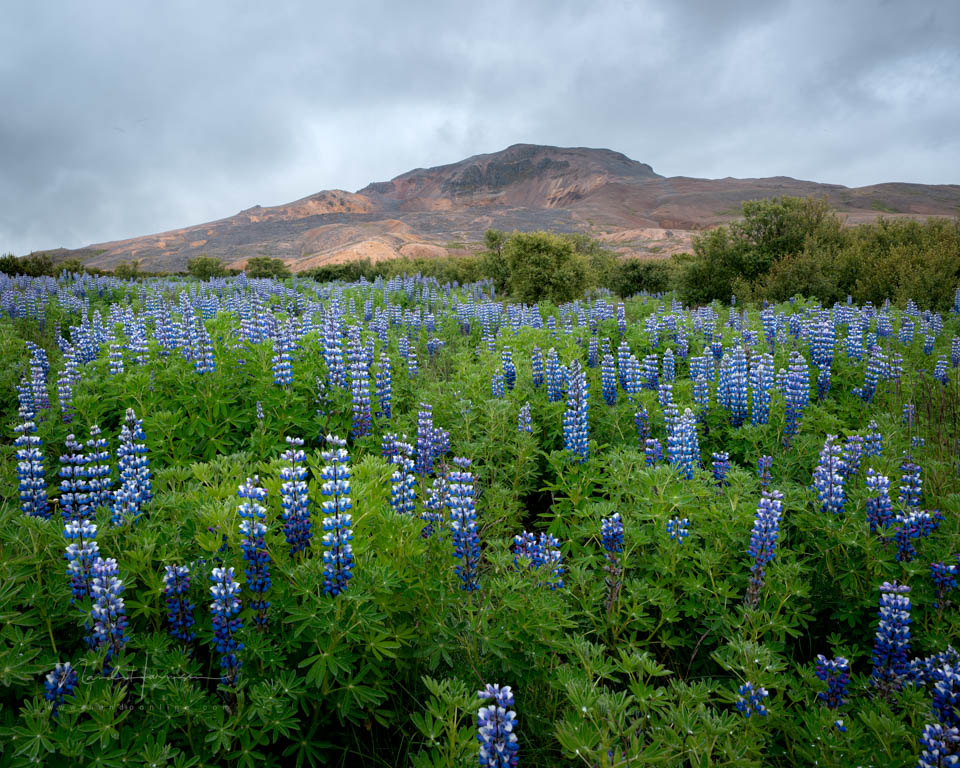
Is the shutter speed too slow for your desired depth of field? For example, because you cannot keep the camera still or the subject appears blurred in the image? Then increase the ISO value so that the shutter speed becomes faster.
When shutter speed is important
Choose the desired shutter speed. A fast shutter speed freezes movement, while a slower one shows movement. The speed of the subject determines how fast the shutter speed needs to be. Use the aperture to set the correct exposure.
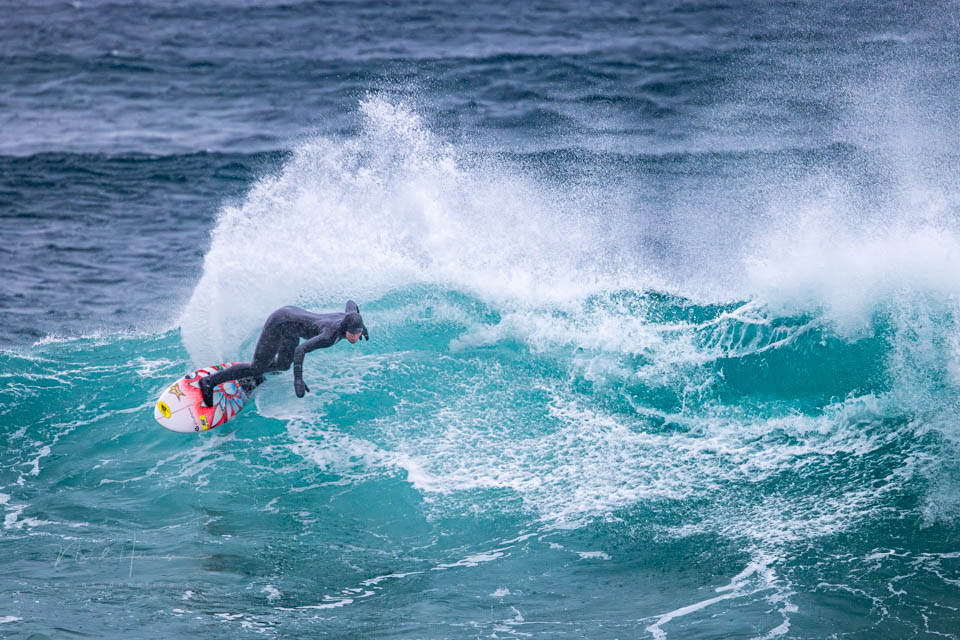
Do you need to choose a wider aperture for the correct exposure than your lens has? Then increase the ISO value until the correct exposure is possible at the widest aperture.
Set it yourself or let the camera do part of it
It does not matter whether you set everything yourself (M mode) or let the camera do part of it (A mode or S mode). Choose whichever works best for you. In both cases, the exposure is set using the exposure meter.
By working this way, you achieve the optimal exposure setting in every situation. It does not matter whether you are photographing indoors or outdoors. It is only different when using flash.
About the author
Nando Harmsen has been photographing for more than 40 years. He specialises in wedding photography and landscape photography. Nando also gives talks, workshops, masterclasses and photo trips, and regularly reviews new and interesting equipment.
You might also like
-
 Wrong settings or just not optimal settings?
by Nando Harmsen
-
 Review: Photographing in Any Situation - Frank Doorhof
by Michelle Peeters
-
 7 photo situations for manual focus
by Michelle Peeters
-
 Have a choice? Choose an odd number
by Nando Harmsen
-
 Situations where manual mode is (actually) perfect
by Nando Harmsen
-
 Portrait photography tip: Give the situation a role
by Elja Trum
2 comments
-
 guest wrote on Sunday 3 May 2026 at 12:23 | reply
All true. What I had expected was that looking at your histogram is also a good guide to make sure your shot is properly exposed. Or to adjust something in the previously chosen aperture or exposure time
Translated from Dutch. -


Have your say
Please note: Articles older than a week can only be commented on by signed-in visitors.Would you still like to comment? sign in or create a free account.
Become a better photographer every week
A practical photography tip in your inbox every week.
38,982 photography enthusiasts already receive the tips! More about the weekly mail. Or keep up to date via  Facebook.

Elja Trum
Photofacts; everything to do with photography!
Would you like to take better photos and keep up with what is happening in photography? Photofacts publishes articles that teach you something about photography — from a product announcement to a practical shooting tip or a look at a website. Photofacts covers photography every day and is a hobby project of Elja Trum's that got out of hand. The articles are written by a team of volunteer authors. If you would enjoy writing one or more articles for Photofacts, do get in touch.More about PhotofactsPhotofacts is made possible in part by
