

7 photo situations for manual focus
Monday 6 April 2020, 20:02 by Michelle Peeters | 13,425 views | 9 commentsThis article was translated from Dutch with the help of AI. Read the original.
You probably recognise this: your camera is set to autofocus but refuses to focus. Or it focuses on the wrong subject, ruining your photo.
When you photograph in your camera's autofocus mode, your camera decides which area of the image to focus on. This often works well, but it also regularly happens that your camera focuses on something other than what you intended.
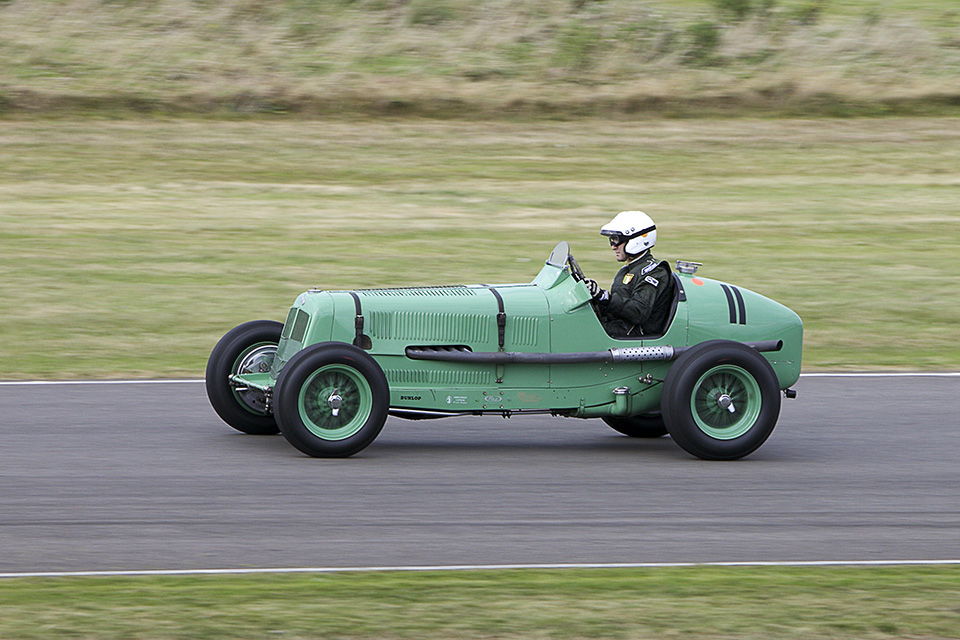
Sometimes it is better to switch from autofocus to manual focus so you have control over focusing again.
1. Too little light or contrast
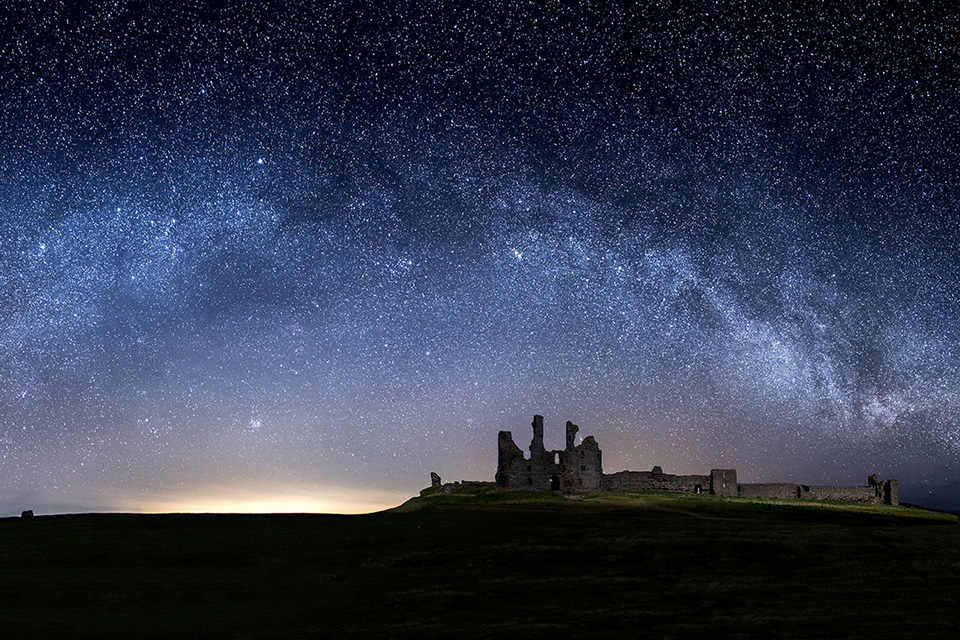
Sometimes it is too dark for your camera's autofocus to focus. In poor light conditions or at night, a conventional autofocus system often struggles to detect a focus point. For example, when photographing stars.
Your camera needs light and contrast to focus in autofocus mode. If there is too little light, it is better to focus manually.
You can do this with your focus ring. You can then check through your (electronic) viewfinder or live view screen whether you are focusing in the right place. You can focus very precisely using the magnification factor.
If manual focusing is too difficult, you can also focus briefly on something with more contrast. Then reframe the image. It goes without saying that you should preferably use a tripod for this type of photography.
2. The eyes in portrait photography
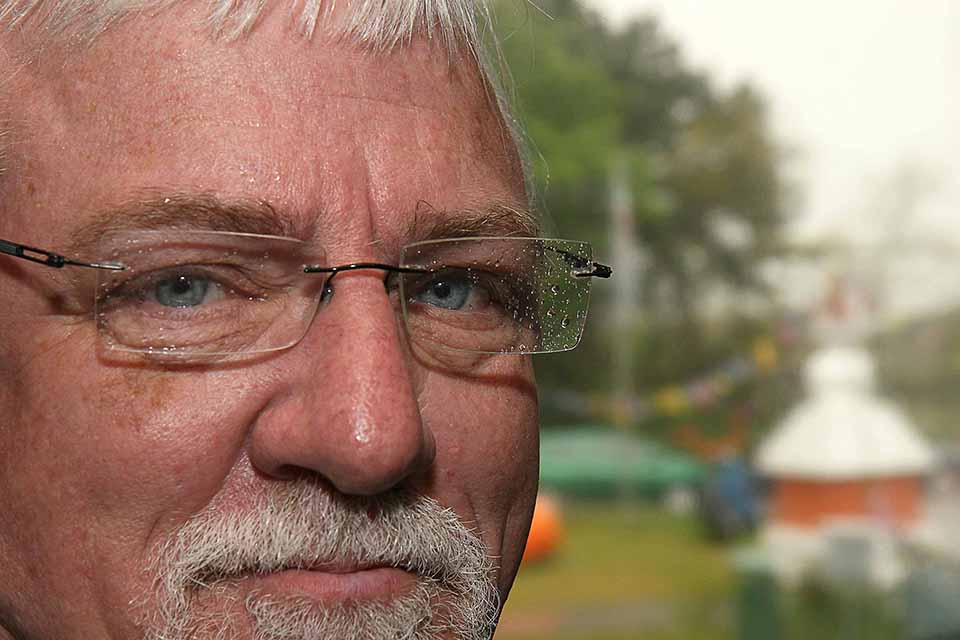
When shooting portraits, you know that the focus should always be on your model's eyes. It sometimes happens that your camera's autofocus focuses on the eyebrows instead of the eyes, for example. The eyes then appear vague or blurry in the image, which is not what you want.
In manual focus mode, you can focus properly on the eyes yourself. Manual focusing is somewhat more difficult in portrait photography because you have little time to focus properly. You often have to respond immediately to the right facial expression and pose.
Some modern autofocus systems can focus automatically on faces or even eyes. Experiences with this seem very positive, and in that case the choice not to focus manually when shooting portraits is of course quickly made!

3. Photographing through a window or glass
You may have photographed through a window or a fence and found that the camera did not know what to focus on. An aquarium or shop window are a few examples. Your autofocus will often automatically focus on the reflection in the glass of a window, for example.
If you focus manually, you can decide whether the foreground or background (fish or people behind the window) should be sharp. Here too, manual focusing gives you all the control you need.
4. In action photography
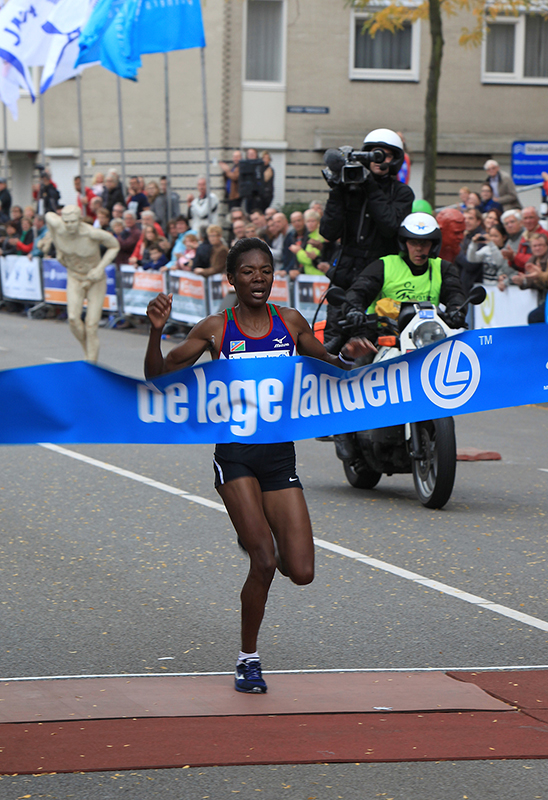
Focusing often goes wrong in autofocus mode when the subject moves quickly, such as in sports or action photography. Modern cameras often allow you to shoot in AI-Servo mode, which tracks the moving subject. But this does not always work either.
If you want to be sure you capture the moving subject (a car, bird or athlete, for example) sharply, you can focus (manually) beforehand on the spot where your subject will pass. For example, on a post.
Manual focusing also works well when panning. If the subject is moving towards you or away from you, it is better to use AI-Servo mode again.
For HDR
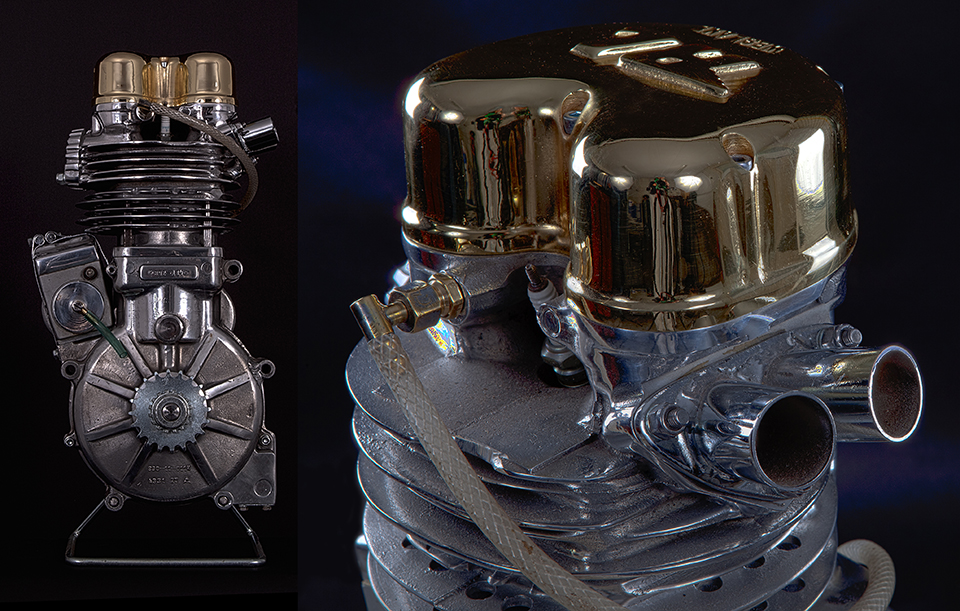
With HDR (High Dynamic Range photography), it is important to focus on the same point each time. You take a series of photos with different exposures and merge them into one image afterwards. If you focus manually, you have complete control over the focus point and it will not change. In autofocus mode, this can sometimes go wrong.
6. In landscape photography
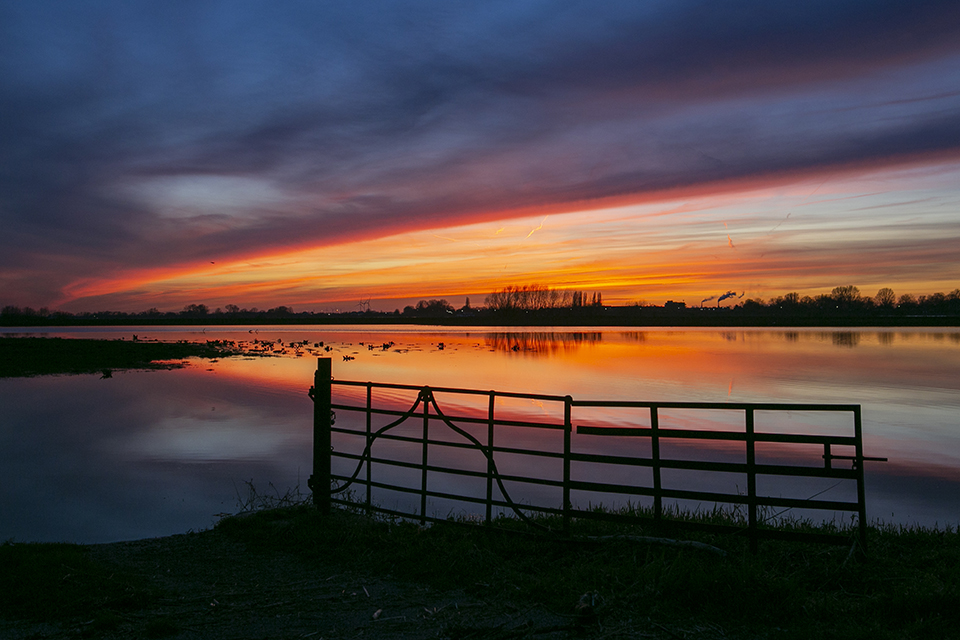
Landscape photos need to be sharp from start to finish. If you have autofocus switched on, the camera will find its own focus point. If you focus manually at the so-called hyperfocal distance (the focusing distance with the greatest depth of field), everything will be sharp.
With a mirrorless camera, everything you set is shown in the image immediately, which is very useful! If you underexpose by one stop, the image also becomes twice as dark straight away, and you see that immediately in the viewfinder. The same applies to live view on the back, you immediately see what is happening.
7. In macro photography
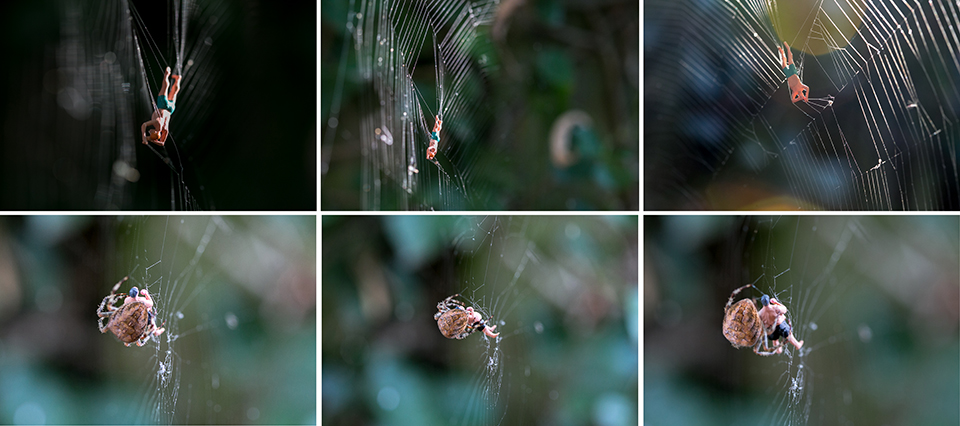
My Canon EF 100 f/2.8L IS Macro lens has a fairly wide focus ring with a long travel. This makes manual focusing quite easy. The limited depth of field in macro photography requires precise focusing.
When using autofocus, the lens sometimes tends to run wild, especially when shooting handheld. A tripod helps to some extent, but manual focusing is often preferred.
More situations?
There may be more situations, in which case you can add them in the comments. I just wanted to mention the most important ones. Taking a good and, of course, sharp photo means that as a photographer you need to have maximum control over the process.
About the author
Michelle Peeters is fotografe en oprichter van DeuxBleus Fotografie. Michelle herkent het bijzondere in het gewone en het gewone in het bijzondere. Ze heeft zich nooit willen specialiseren en is daardoor van alle markten thuis.
You might also like
-
 Changing autofocus behaviour in a Canon camera
by Nando Harmsen
-
 Better autofocus with a wide aperture
by Nando Harmsen
-
 Eye autofocus is a joy for portrait photographers
by Elja Trum
-
 Shooting in Manual mode and zoom lenses
by Nando Harmsen
-
The only real reason to set the exposure manually
by Nando Harmsen
-
 Situations where manual mode is (actually) perfect
by Nando Harmsen
9 comments
-

 martinphili wrote on Tuesday 7 April 2020 at 08:00
| reply
martinphili wrote on Tuesday 7 April 2020 at 08:00
| reply
In my experience, manual focusing when panning fast-moving cars works better than autofocus mainly depends on the speed (or lack thereof) of your lens's autofocus. A reasonably modern and high-quality lens is more accurate than a human. Don't forget that you only have a very short moment to focus. If the car is a few meters farther away - and with race cars that's a second- your manual setting is already no longer correct.
Translated from Dutch.
The longer your lens, the smaller those deviations become. -

-
 guest wrote on Tuesday 7 April 2020 at 12:06 | reply
long exposure photography because with 10+ stop filters screwed on it is impossible to focus anymore
Translated from Dutch. -
 Jos Marcelissen wrote on Tuesday 7 April 2020 at 13:19 | reply
I photograph bats in bat boxes for a little research I'm doing. It's dark inside the boxes, so I focus on the outside of the boxes and use flash (one and a half stops overexposed) to take the photos to count and identify the animals. It's an art in itself, which I don't always have a good handle on either.
Translated from Dutch. -
Michelle Peeters wrote on Tuesday 7 April 2020 at 14:05
| reply
@Jos Marcelissen: that's a very interesting way of working! And I think that skill comes naturally the more often you do it!
Translated from Dutch. -
 Patere wrote on Tuesday 7 April 2020 at 18:55 | reply
The bat gave us Corona.
Translated from Dutch. -
Michelle Peeters wrote on Tuesday 7 April 2020 at 18:56
| reply
@Patere: no, the wildlife markets!
Translated from Dutch. -
 Jos Marcelissen wrote on Tuesday 7 April 2020 at 19:01 | reply
@Patere I don't think this is the place to provide the correct information about how things really are, but there is plenty of information to be found and shared about that. I'm afraid we'll have our hands full with that in the time to come.
Translated from Dutch. -
Mac wrote on Wednesday 8 April 2020 at 09:02 | reply
@gast
Translated from Dutch.
nope, just this week I screwed on my 10-stop filter, and AF just worked, both contrast and phase (there was of course enough light)
But I admit usually you'll focus first, and then screw the filter on (so that AF will probably work then, MF actually won't because you simply can't see anything when the filter is on)
Have your say
Please note: Articles older than a week can only be commented on by signed-in visitors.Would you still like to comment? sign in or create a free account.
Become a better photographer every week
A practical photography tip in your inbox every week.
39,023 photography enthusiasts already receive the tips! More about the weekly mail. Or keep up to date via  Facebook.

Elja Trum
Photofacts; everything to do with photography!
Would you like to take better photos and keep up with what is happening in photography? Photofacts publishes articles that teach you something about photography — from a product announcement to a practical shooting tip or a look at a website. Photofacts covers photography every day and is a hobby project of Elja Trum's that got out of hand. The articles are written by a team of volunteer authors. If you would enjoy writing one or more articles for Photofacts, do get in touch.More about PhotofactsPhotofacts is made possible in part by
