

Review: Canon EOS R6 mark III
Friday 30 January 2026, 13:26 by Nando Harmsen | 6,513 views | 4 commentsThis article was translated from Dutch with the help of AI. Read the original.
Canon has released the third version of its popular EOS full-frame camera: the Canon EOS R6 mark III. I had the camera available for a week. In this review, you can read all about my findings with this third version of the EOS R6.
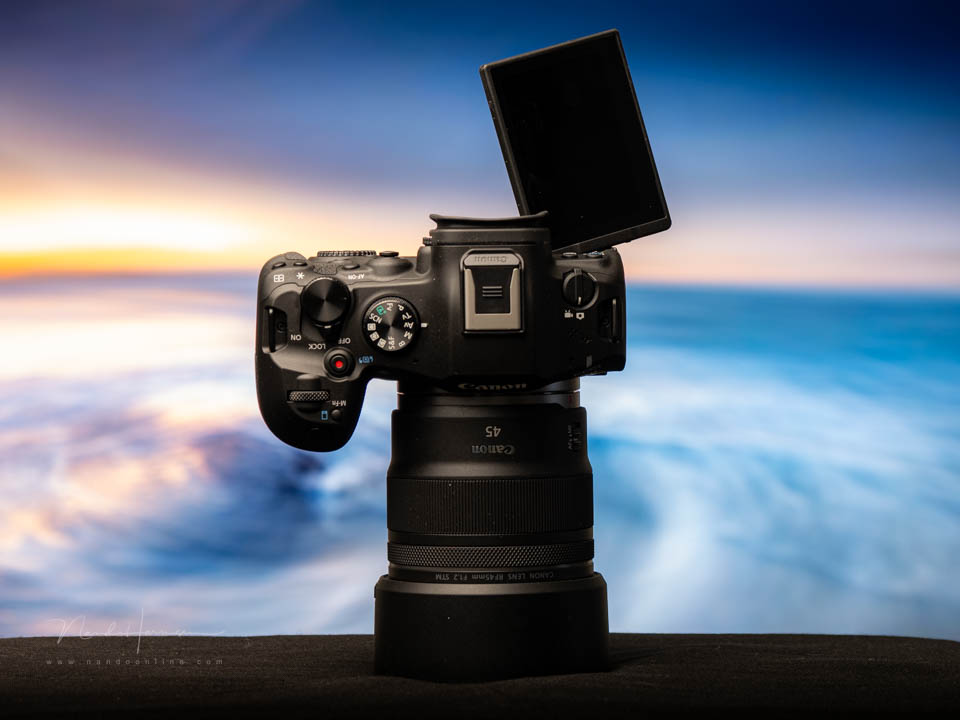
With the third version of this popular camera, the Canon EOS R6 mark III receives a substantial upgrade. The new sensor and improvements over the previous model may make an upgrade interesting. Provided the improvements play a role in your photography.
Canon Nederland provided the Canon EOS R6 mark III for this short review, together with the new RF 45mm f/1,2 STM.
Specifications
These are some of the camera's most important specifications, including several that have changed in the mark III compared with its predecessor.
- 32-megapixel CMOS sensor
- In-camera image stabilisation up to a maximum of 8.5 stops
- Frame rate up to 40 fps with the electronic shutter and 12 fps with the mechanical shutter
- 0.5-second pre-capture
- CF Express Type B card slot together with UHS-II-SD
- Face priority option for autofocus for up to 10 people
- Improved image recognition for autofocus
- EVF refresh rate up to a maximum of 120 Hz
- 7K 60p video in Canon Cinema Raw Lite
- Oversampled 4K 60p
- 3:2 7K Open Gate video recording up to 30 fps
- Full-size HDMI port
- False colour and waveform log view for video
- Maximum of 6 hours of continuous video recording
- Video proxy available
- LP-E6P battery good for 620 shots with LCD or 390 with EVF (CIPA)
For this review, I am focusing entirely on photography and will not cover the video capabilities. Apart from a list of pros and cons, which is based on the specifications.
The camera's appearance
The Canon EOS R6 mark III has not undergone any drastic visual changes. The camera has almost the same design. The buttons are unchanged, as is the operation.
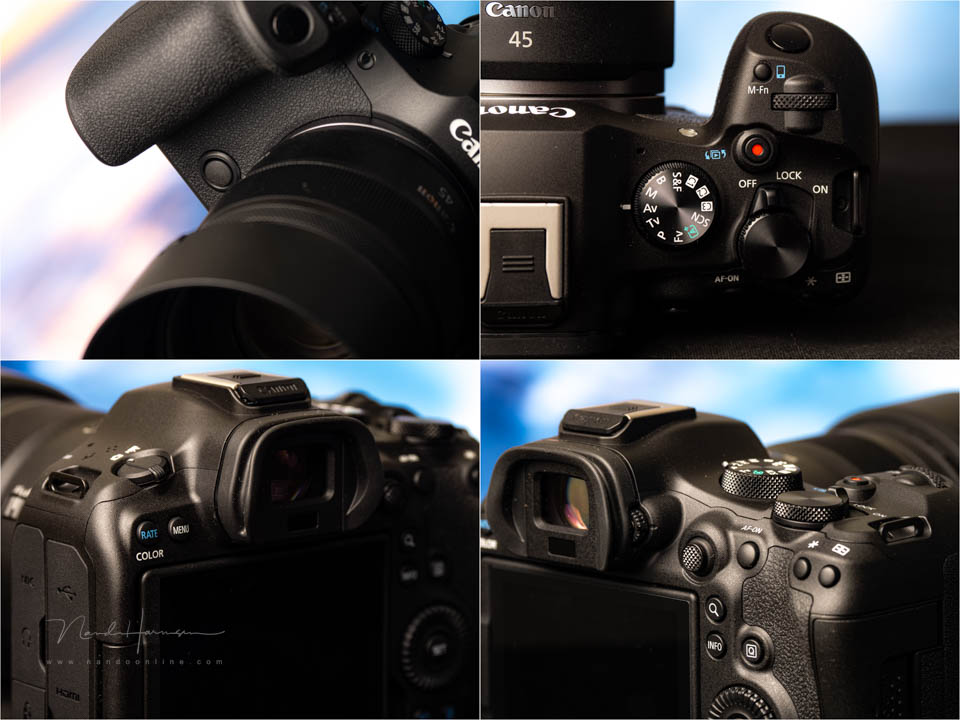
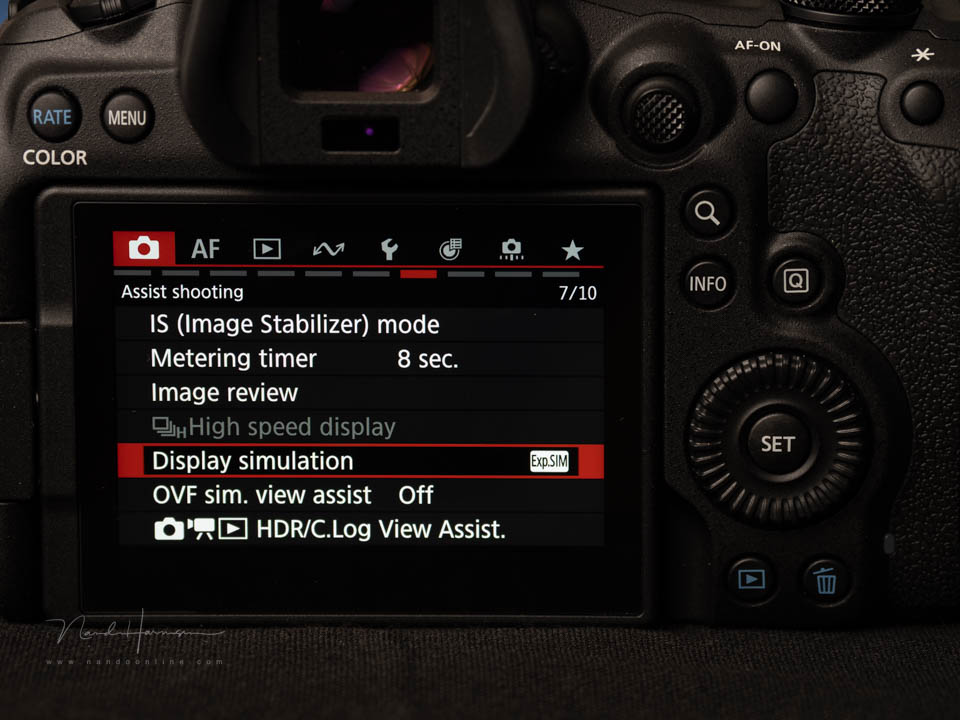
Anyone already familiar with the EOS R6 mark II will feel immediately at home with this successor. As expected, the menu is also the same as on all other EOS models. You find the functions where you expect them.
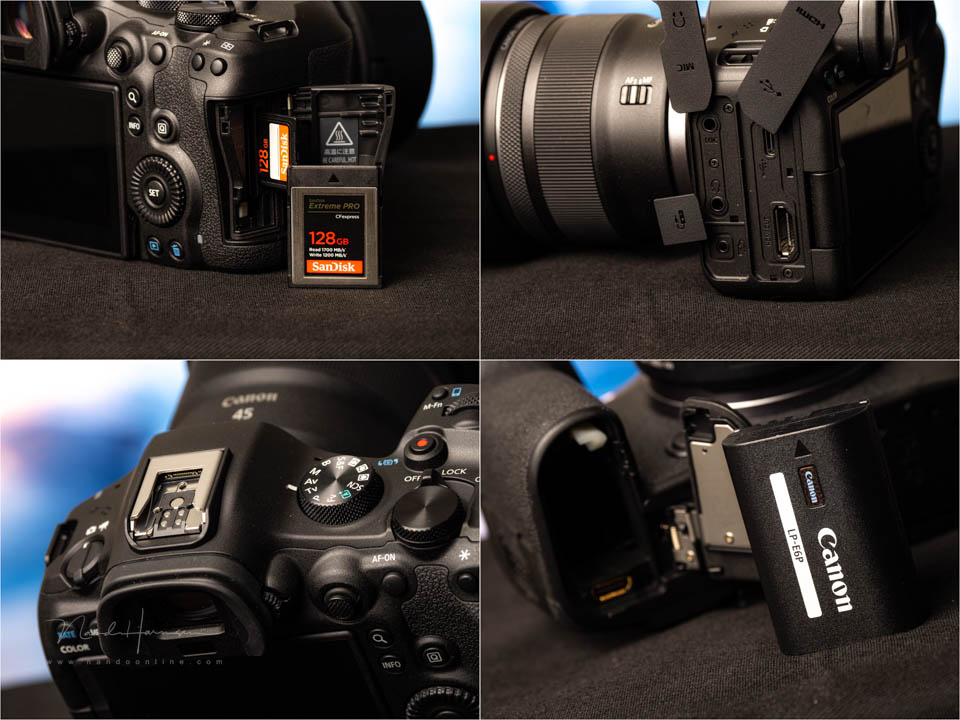
The camera now has both a CF Express Type B and a UHS-I-SD. The fast CF Express Type B is needed to process the huge data stream. The camera has also gained a full-size HDMI connection.
Compared with its predecessor
When the camera is placed directly next to its predecessor, the tiny differences only then become apparent. The body has gained a slightly more streamlined appearance, which shows some resemblance to the EOS R5 mark II and EOS R3.
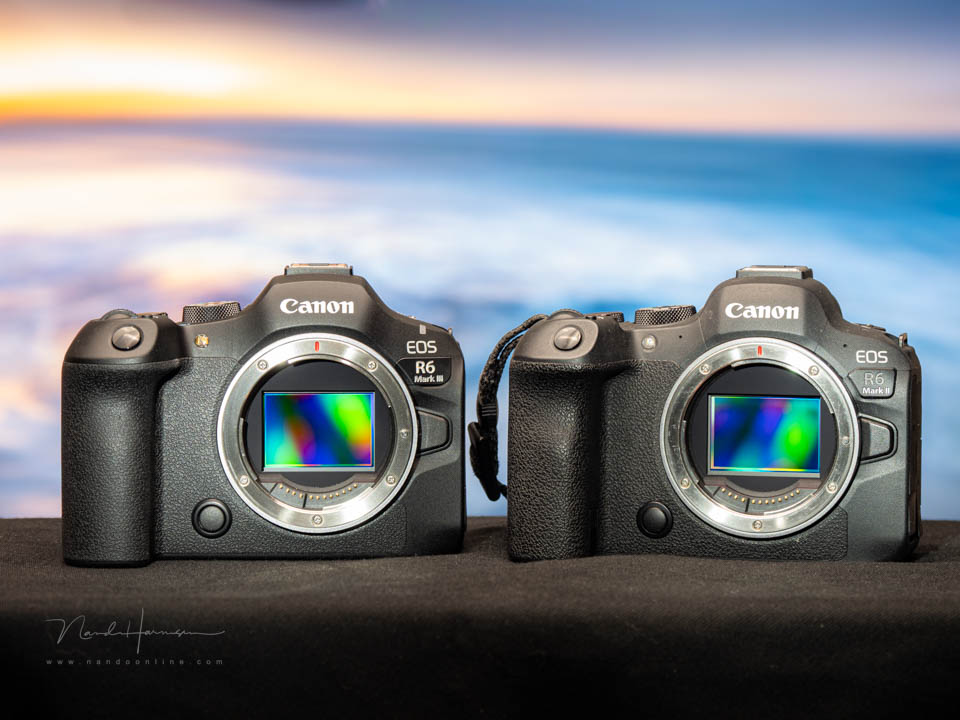
The menu has also received the refined layout needed to display the number of menu items again. These are small differences that are barely noticeable, but they are there. They will make little difference in use.
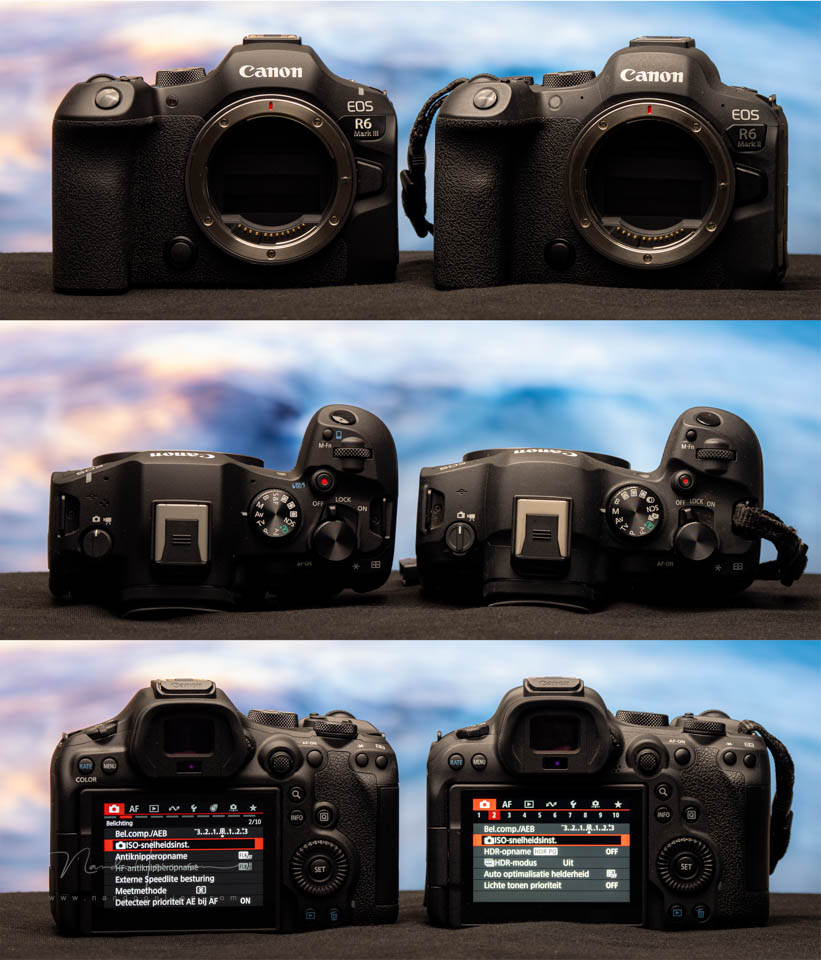
Image quality
The EOS R6 mark III now has a 32-megapixel partially stacked CMOS sensor. This means the resolution has increased slightly. The images are 14-bit, but this drops to 12-bit when using the electronic shutter.
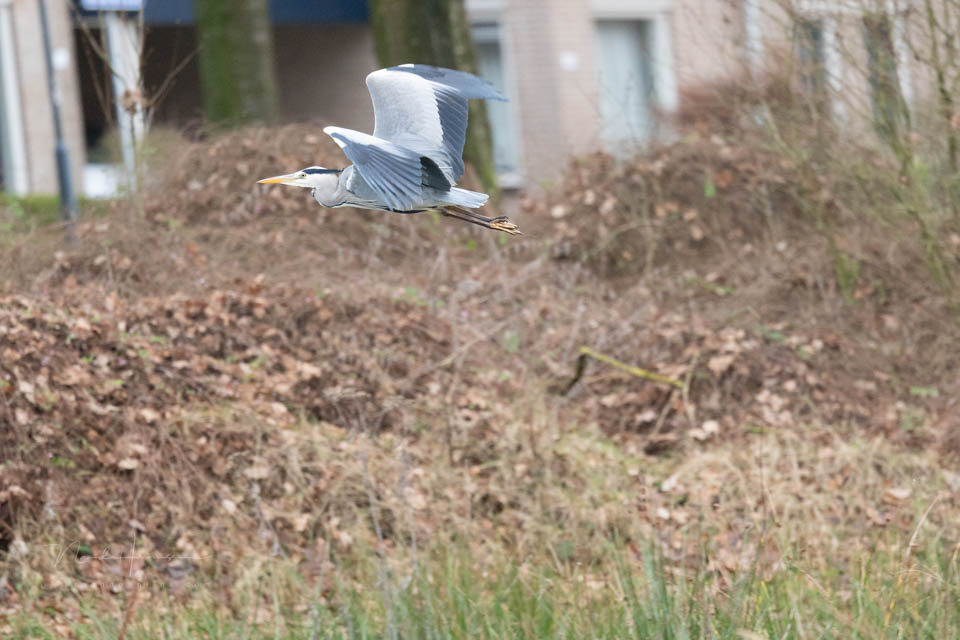
Although the sensor has received a slightly faster readout speed, rolling shutter can occur with fast-moving subjects or when panning. Whether this is experienced as disturbing depends on the photographer, but also on the subject and the background.
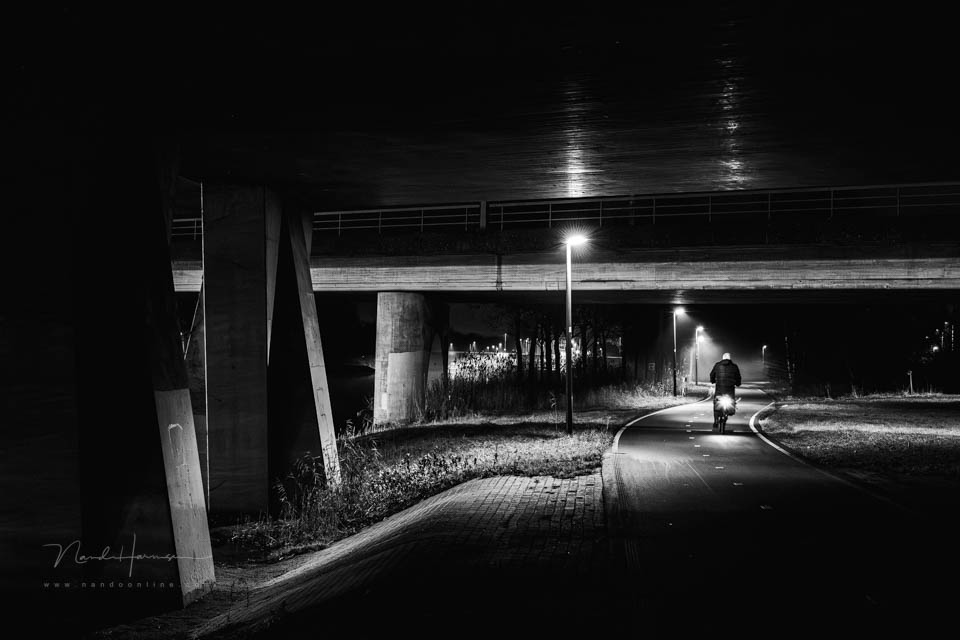
The EOS R6 mark III goes up to just over ISO 51200. Here too, whether this is usable depends on the situation, as well as on personal preferences. A simple ISO test shows that ISO 12800 generally presents no problem at all.
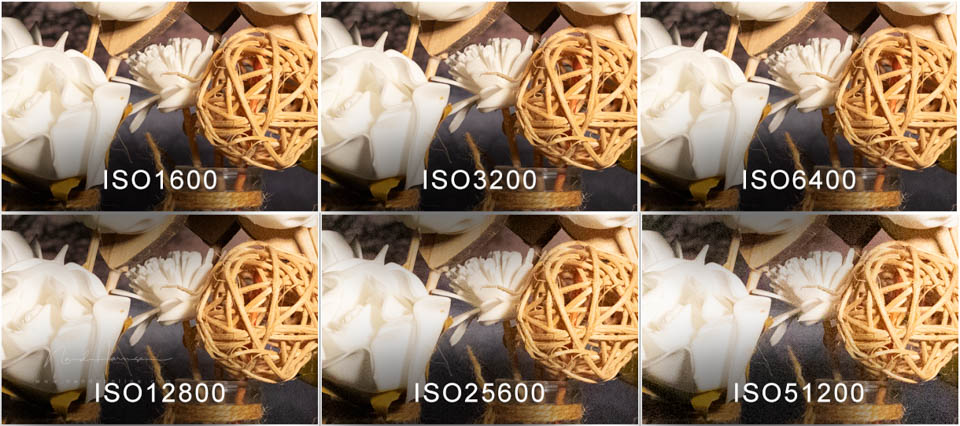
Underexposure is easy to correct. Keep in mind that at ISO 400, the amount of noise produced by a three-stop correction is equal to the noise at ISO 3200.
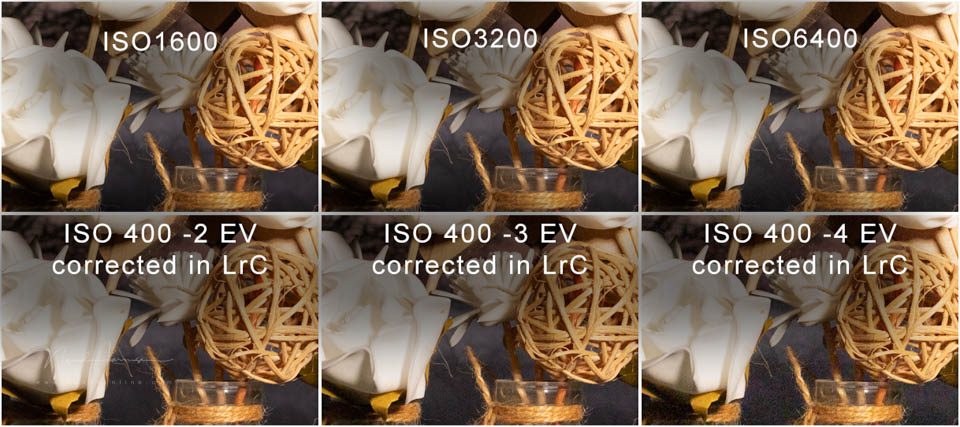
The dynamic range is somewhat disappointing and is certainly not competitive. However, the performance of the EOS R6 mark III is simply good. This also applies to the image quality and ISO performance.
Frame rate and pre-capture
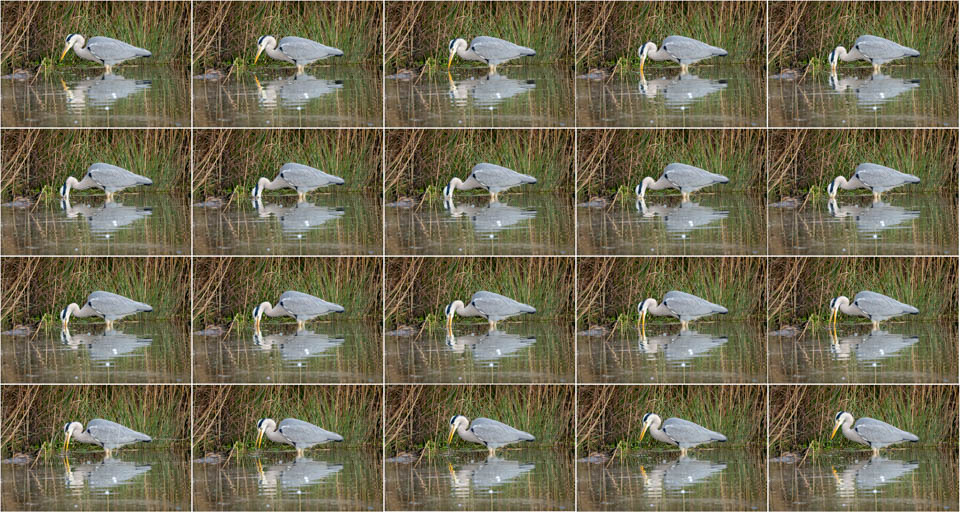
Like its predecessor, the Canon EOS R6 mark III has a maximum frame rate of 40 frames per second with the electronic shutter. With the mechanical shutter, a respectable 12 frames per second is possible. Pre-capture is also available.
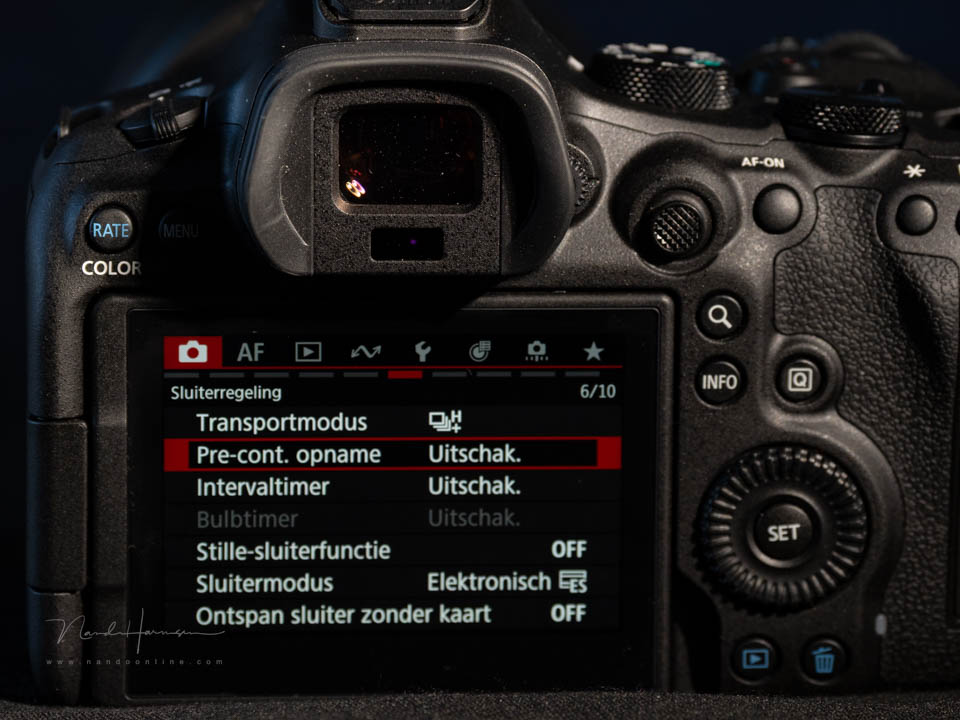
Pre-capture works very differently from on the EOS R6 mark II. The images are now saved separately straight away, instead of everything being stored in a single file. You no longer have to extract the images using Canon software or in the camera.
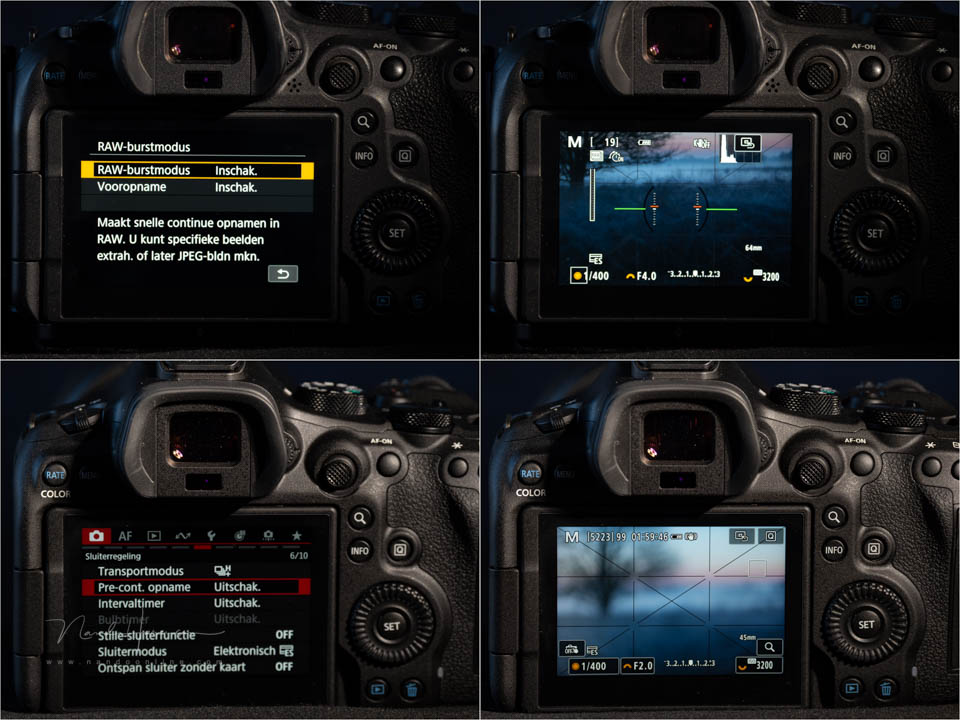
Pre-capture itself is very basic. It stores images for half a second before the shutter button is pressed fully. There is nothing else to set, leaving it behind the competition in terms of possibilities.
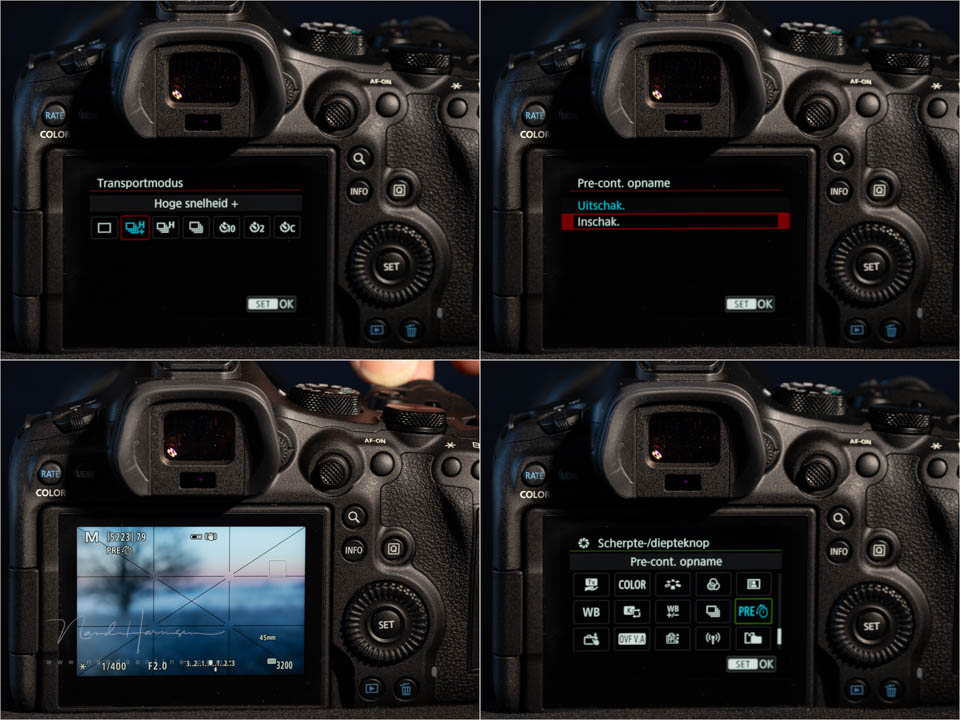
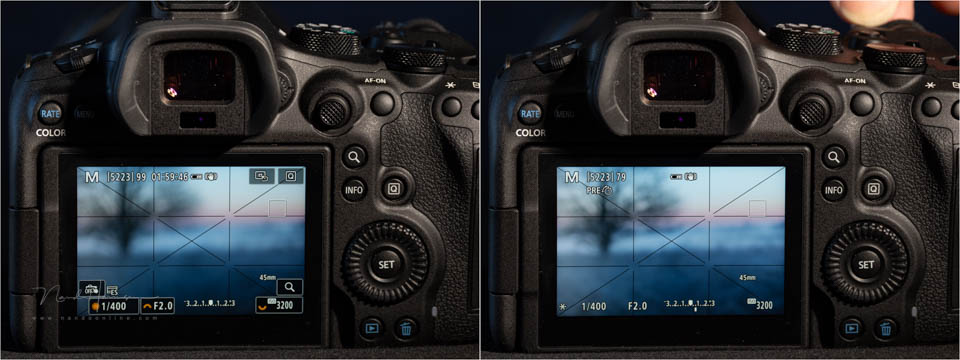
You can assign a button to activate pre-capture. However, pre-capture only switches on when the camera is set to the H+ speed (40 fps). So you cannot set everything for pre-capture directly with one button.
When pre-capture is enabled, there is no indication at all on the LCD or EVF screen. Only when pre-capture becomes active by half-pressing the shutter button does a small icon appear on the screen.
Practical use
The EOS R6 mark III works as you would expect a camera to. Operation is intuitive and the menu is clear and well organised. The LCD screen, touchscreen functions and viewfinder are excellent.

The autofocus has improved, but the differences are unnoticeable unless you place it directly next to its predecessor. Pre-capture is now more pleasant to use, although it still feels somewhat rudimentary, especially if you are used to other cameras.
It is very inconvenient that there is no clear information about pre-capture in the viewfinder and on the LCD screen. You do not know whether it is switched on until you half-press the shutter button.
If you activate the function with a shortcut and the frame rate is not set to H+, you get no feedback at all that the function has not actually been activated. For worry-free use of pre-capture, it is necessary to programme everything under C1, C2 or C3.
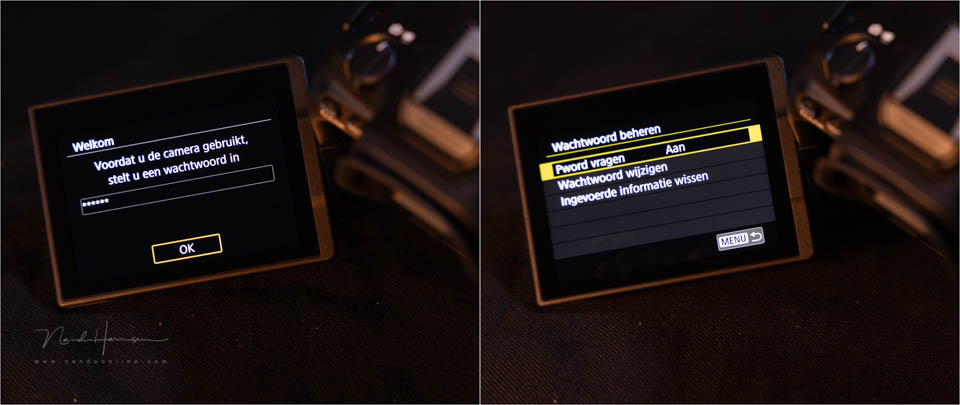
One new and particularly surprising function is the requirement to create a password. The camera cannot be activated without a password. The function can be switched off later in the menu, but this has to be done deliberately.
Conclusion
With the EOS R6 mark III, Canon has raised this camera line to a slightly higher level. Improvements have been made that make it much more pleasant to use. Especially the way pre-capture now works.
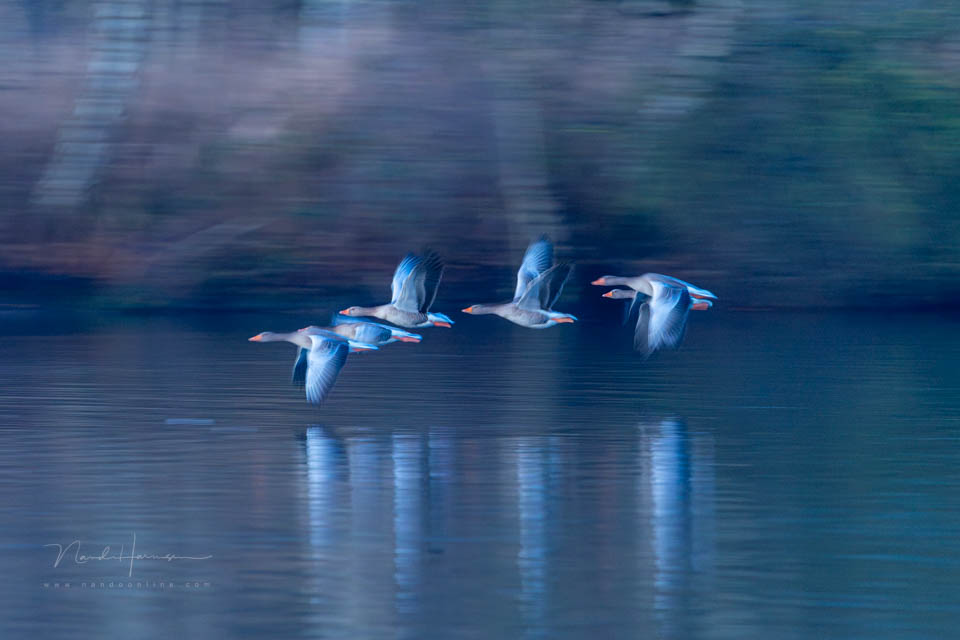
The increase in resolution is naturally useful when you regularly crop. If you do not crop or do not need to, you will find little added value in it. Noise performance is comparable with its predecessor.
It cannot be denied that the camera is a very good choice for both the serious hobby photographer and the professional. At the same time, it should be said that this is not a camera that stands far above the competition. It is questionable whether that is necessary.
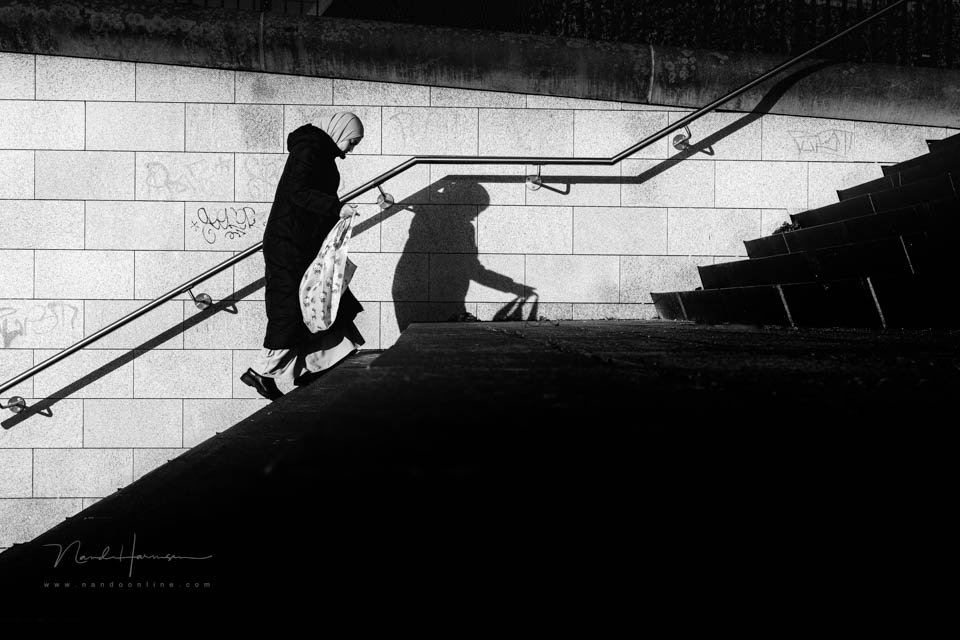
Where the camera is less impressive, despite the improvements, is pre-capture. The system works well, but it feels rudimentary. Other manufacturers offer many more options and greater flexibility.

Unfortunately, Canon has also removed the option to save raw images from multiple exposures on this camera. I had hoped this would return, but unfortunately it has not.
All in all, the Canon EOS R6 mark III is a very beautiful and capable camera that performs excellently in almost every area. The gain in resolution and video capabilities, together with the autofocus and frame rate performance, make it a wonderful camera.
Pros
- Higher-resolution sensor
- Autofocus is fast and highly accurate
- Good image recognition, even when the subject is very small in the frame
- Effective image stabilisation
- High frame rate of up to 40 frames per second
- Pre-capture available
- Open Gate 7K video recording
- Full-size HDMI port
- Excellent ergonomics and intuitive operation
- Electronic viewfinder has a very short blackout
Cons
- Pre-capture is rudimentary
- Pre-capture requires manually setting the frame rate to H+
- No indication on the LCD or EVF that pre-capture is switched on
- Sensor performance lags behind the competition
- Rolling shutter due to the sensor's relatively slow readout
- Only 3.69-megapixel resolution for the electronic viewfinder
- No raw storage for multiple exposures
Upgrade or not?
The question that soon comes up is: should I upgrade or not? The answer, as so often, is that it depends. If you are coming from a Canon EOS R6, the first version, the answer is an emphatic yes. If you want to upgrade from the EOS R6 mark II, the answer is a sobering 'maybe'.
Although the camera certainly offers improvements in performance and capabilities, it depends on what you photograph. For burst modes and pre-capture, the new approach is much more pleasant. The EOS R6 mark III is also an improvement for video.
But do you not shoot video, or hardly ever? If action photography is not a priority, the added value is minimal. It is then a good idea to compare the specifications of both cameras and be honest with yourself.
Gallery


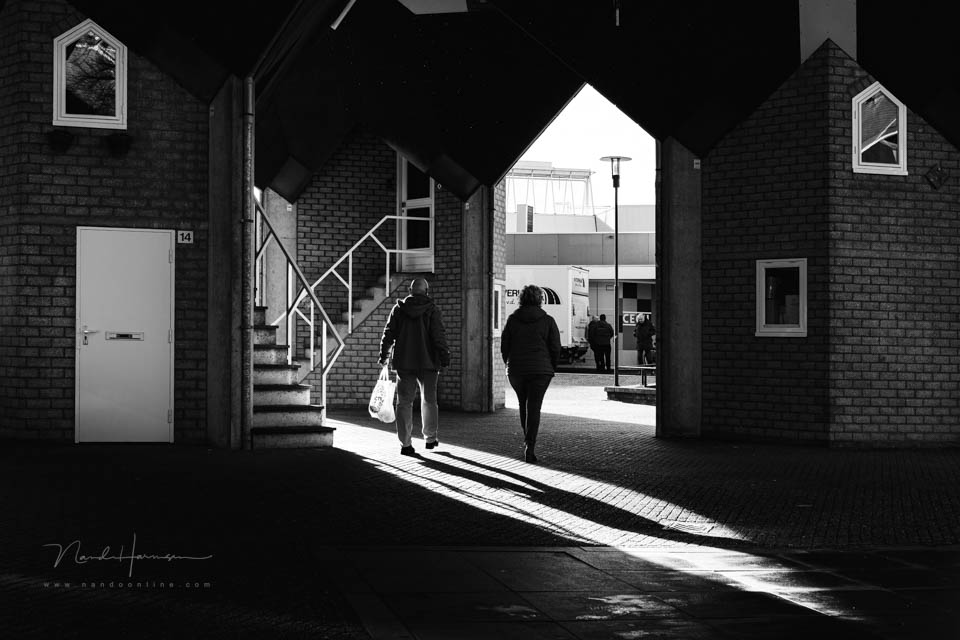
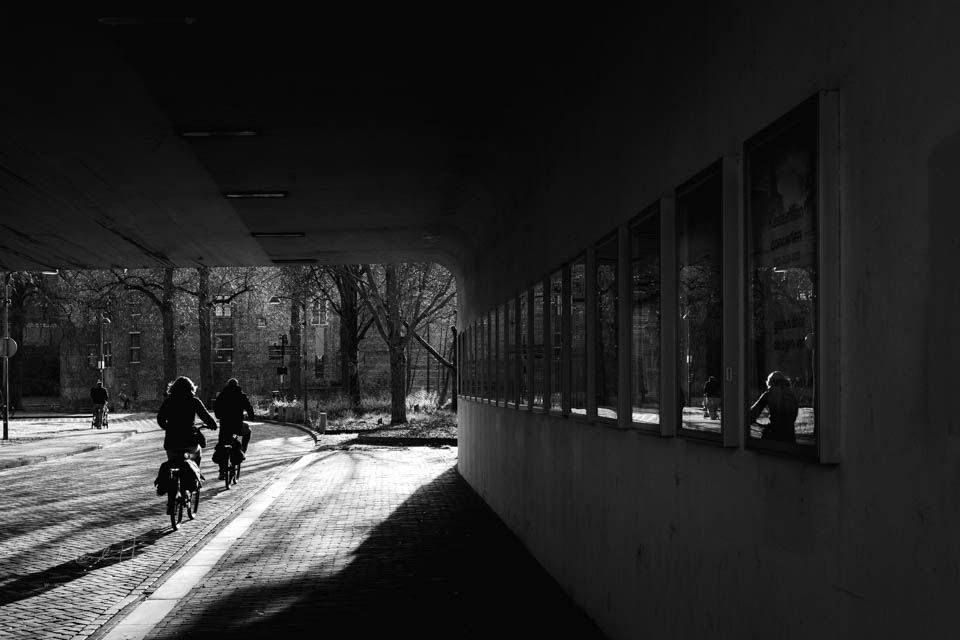
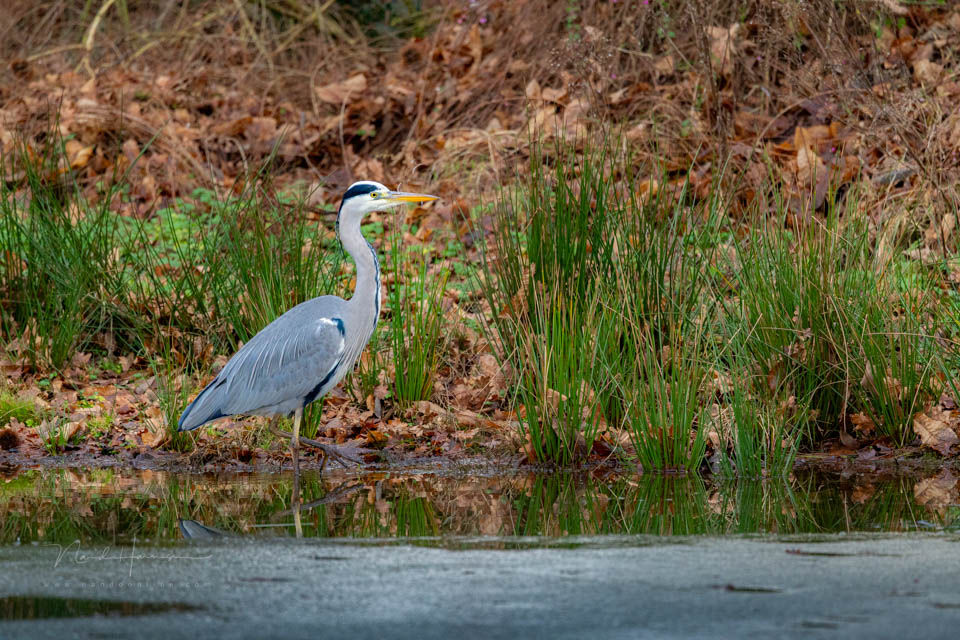
About the author
Nando Harmsen has been photographing for more than 40 years. He specialises in wedding photography and landscape photography. Nando also gives talks, workshops, masterclasses and photo trips, and regularly reviews new and interesting equipment.
You might also like
-
 Review: Canon EOS R6
by Nando Harmsen
-
 Review of the fantastic Canon EOS R6 Mark II
by Nando Harmsen
-
 New firmware for the Canon EOS R5, R6 and 1D Mark III
by Nando Harmsen
-
 Review: Canon EOS R3
by Nando Harmsen
-
 Review: Canon EOS R5
by Nando Harmsen
-
 Canon introduces the EOS R6 Mark III and the RF 45mm f/1.2 STM
by Nando Harmsen
4 comments
-

 Arthur Wittendorp
wrote on Monday 2 February 2026 at 12:12
| reply
Arthur Wittendorp
wrote on Monday 2 February 2026 at 12:12
| reply
In conclusion, you state the following: "The question that soon comes up is: should I upgrade or not? The answer, as so often, is: it depends. If you are coming from a Canon EOS R6 (first version), then the answer is an emphatic yes. If you want to upgrade from the EOS R6 mark II, then the answer is a sobering 'maybe'."
Translated from Dutch.
The question I ask myself here is: will I take better photos with a newer camera? The sobering conclusion here is very often; No!!
With newer cameras, some functions work a little better or more conveniently, but often not much more than that. For my semi-professional photography work, I have been working with the (classic) EOS R for quite some time. If I buy a new camera (R5/II-R6III) now, my clients really will not see the difference in the photos I deliver to them. From a business perspective, it therefore would not be such a smart investment.
As a hobby, I enjoy taking photos with my now ancient 450d (2008). Despite the autofocus and light metering, among other things, being seriously outdated, I still manage to come home with well-exposed and razor-sharp photos. I believe that the person behind the camera is the most important factor for beautiful and good photos. I suspect that we too often fall for the manufacturers' 'smart' marketing talk and buy new equipment when it is not needed at all yet... -
 Nando
wrote on Tuesday 3 February 2026 at 09:18
| reply
Nando
wrote on Tuesday 3 February 2026 at 09:18
| reply
You're not reading my text properly, Arthur.
Translated from Dutch.
My conclusion is not about taking better photos. That's also not at all what I mean, let alone say.
It's about setting up the camera, and the possibilities. An upgrade can make photography easier, making it easier to achieve the desired results.
But that does not automatically mean it's a better photo. That has nothing to do with a camera, but with the photographer. -
 guest wrote on Tuesday 3 February 2026 at 10:45 | reply
Unfortunately, the option to record GPS data is still missing. ??
Translated from Dutch. -
Have your say
Please note: Articles older than a week can only be commented on by signed-in visitors.Would you still like to comment? sign in or create a free account.
Become a better photographer every week
A practical photography tip in your inbox every week.
39,079 photography enthusiasts already receive the tips! More about the weekly mail. Or keep up to date via  Facebook.

Elja Trum
Photofacts; everything to do with photography!
Would you like to take better photos and keep up with what is happening in photography? Photofacts publishes articles that teach you something about photography — from a product announcement to a practical shooting tip or a look at a website. Photofacts covers photography every day and is a hobby project of Elja Trum's that got out of hand. The articles are written by a team of volunteer authors. If you would enjoy writing one or more articles for Photofacts, do get in touch.More about PhotofactsPhotofacts is made possible in part by
