

Review: Canon EOS 1Dx mark III
Friday 14 August 2020, 13:31 by Nando Harmsen | 7,573 views | 2 commentsThis article was translated from Dutch with the help of AI. Read the original.
The Canon EOS 1Dx mark III is the third generation of the EOS 1Dx series, the camera designed for maximum ease of use and incredibly fast action photography without compromise.
It is not a camera suited to the masses. It is a highly specialised machine for photographers who want to push the limits of what a camera should be able to do. The price reflects that. You can get a Canon EOS 1Dx mark III in exchange for 7,419 euros (in August 2020)
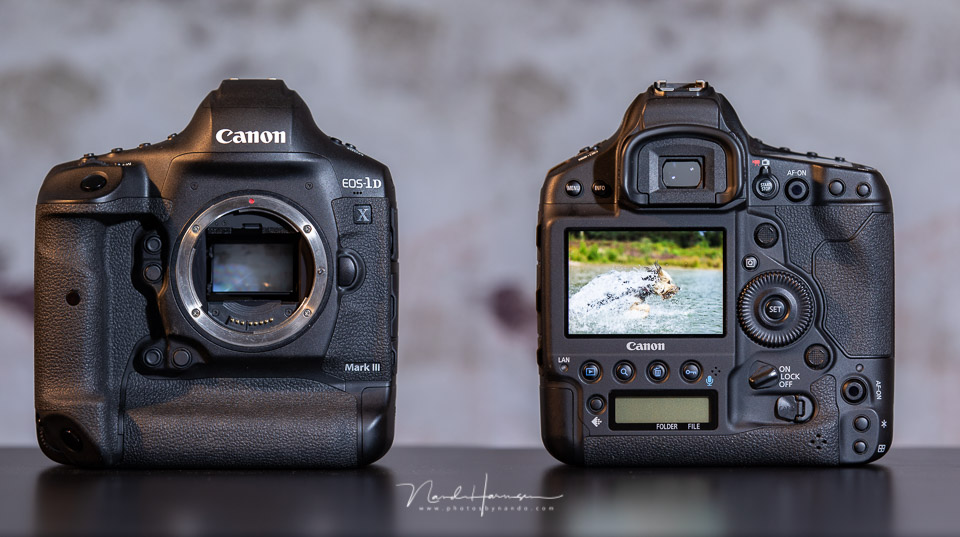
The appearance of the Canon EOS 1Dx mark III and its speed
The appearance of the Canon EOS 1Dx mark III should come as no surprise. It is still the huge camera body with an integrated vertical grip and the associated dual controls.
There is no programme mode dial (PSAM), but the familiar three buttons on the left shoulder. It has a third LCD screen for additional information, and a spring-loaded cover hides the dual card slot.
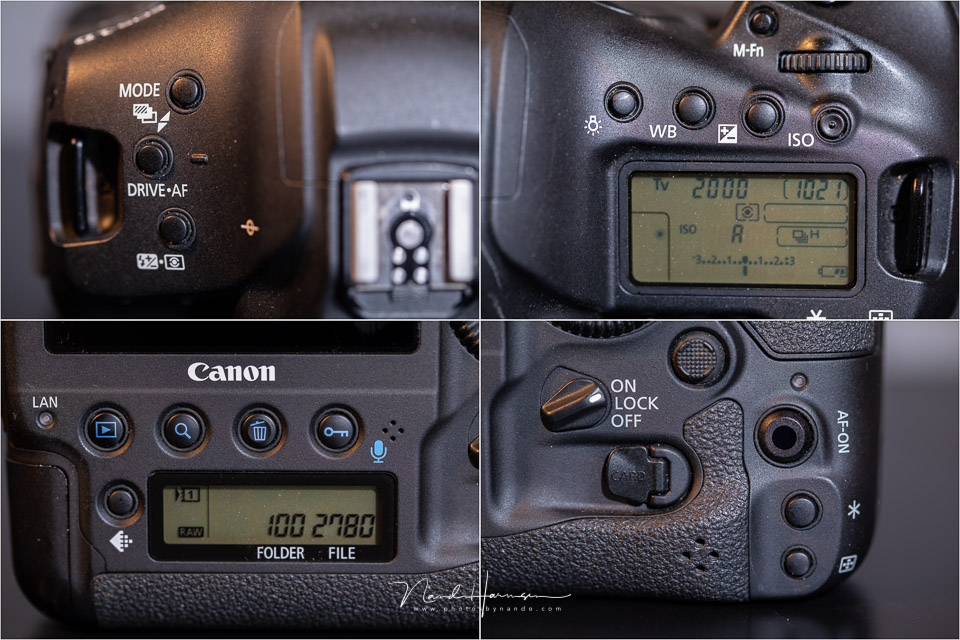
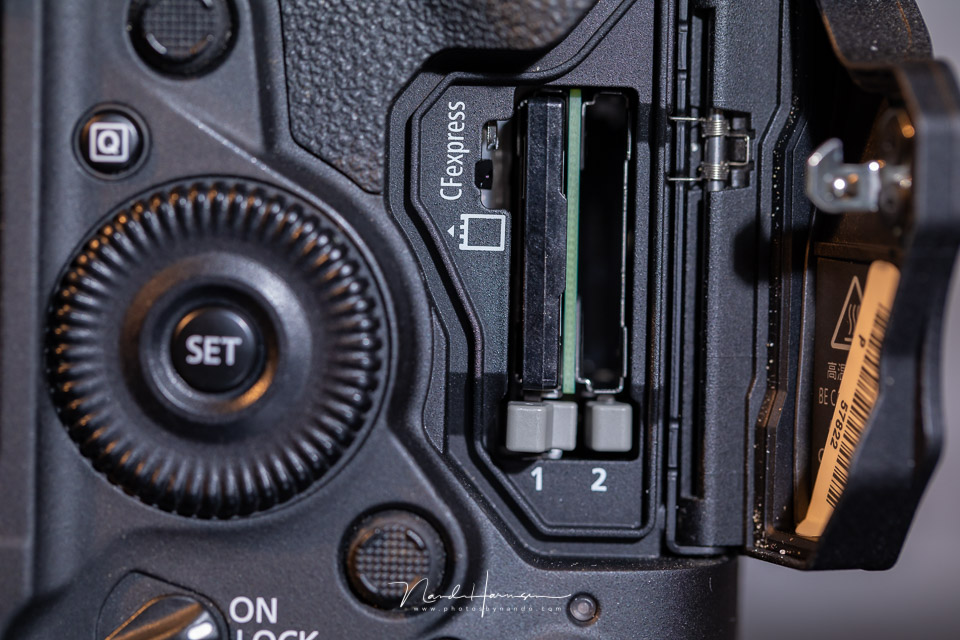
The EOS 1Dx mark III only accepts incredibly fast CF-Express cards, to guarantee trouble-free processing of the huge amount of data produced at 16 to 20 frames per second.
The buffer is large enough to process a burst of 500 RAW images without any problems. Wait a second, and you can start taking hundreds of photos again. When shooting in JPEG, there is no limit to the number of photos that can be taken consecutively.
Action, action and more action
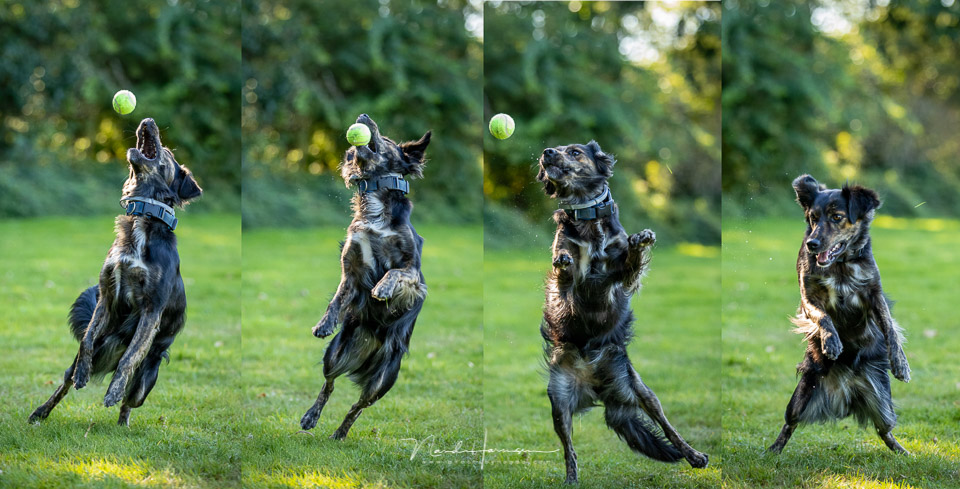
It is clear that this camera is made for action photography, although it certainly does not have to be limited to that. It is not only the speed, the autofocus system is also designed to stay perfectly focused on the subject, however that subject moves.
The autofocus system can be fully configured for the photography you practise, including excellent face AF and eye AF. You can also set the AF configuration separately for shooting with the viewfinder or with the mirrorless function.
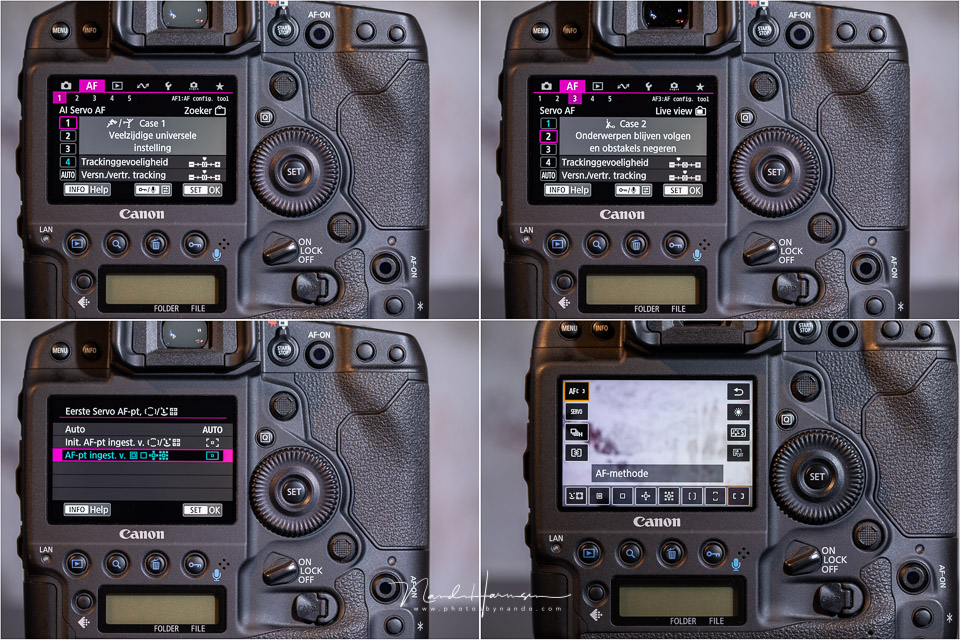
The camera has no fewer than 191 autofocus points available, which you can let the camera select itself to keep the subject perfectly sharp. When using the camera in mirrorless mode, you can focus across almost the entire image area.
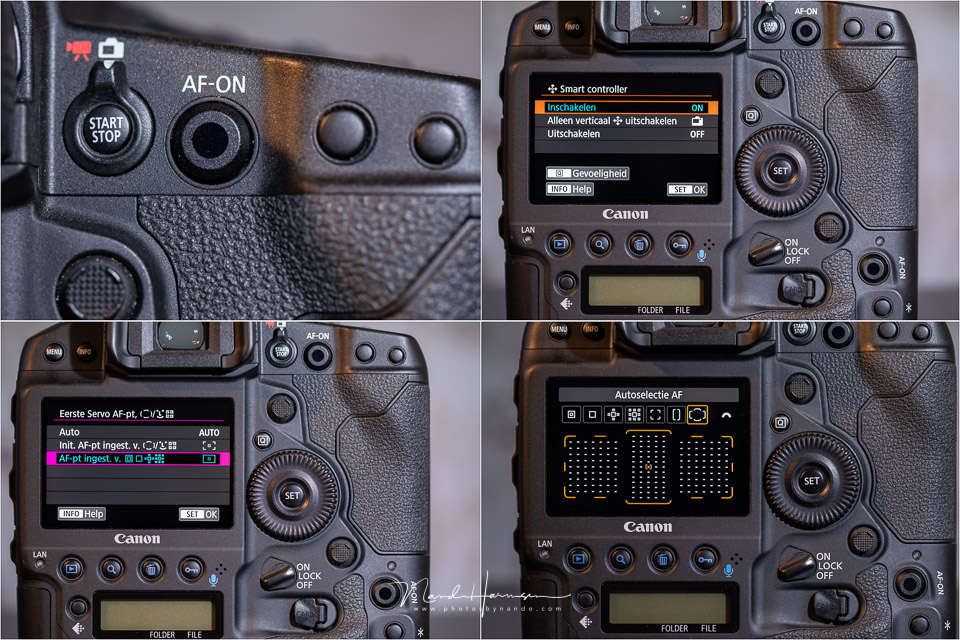
One of the most remarkable features is the Smart Controller built into the AF-ON button. You can now move the AF point very easily by swiping, without taking your thumb off the button. Despite the very small touch-sensitive surface, it works perfectly. I wish Canon would build this into all its cameras.
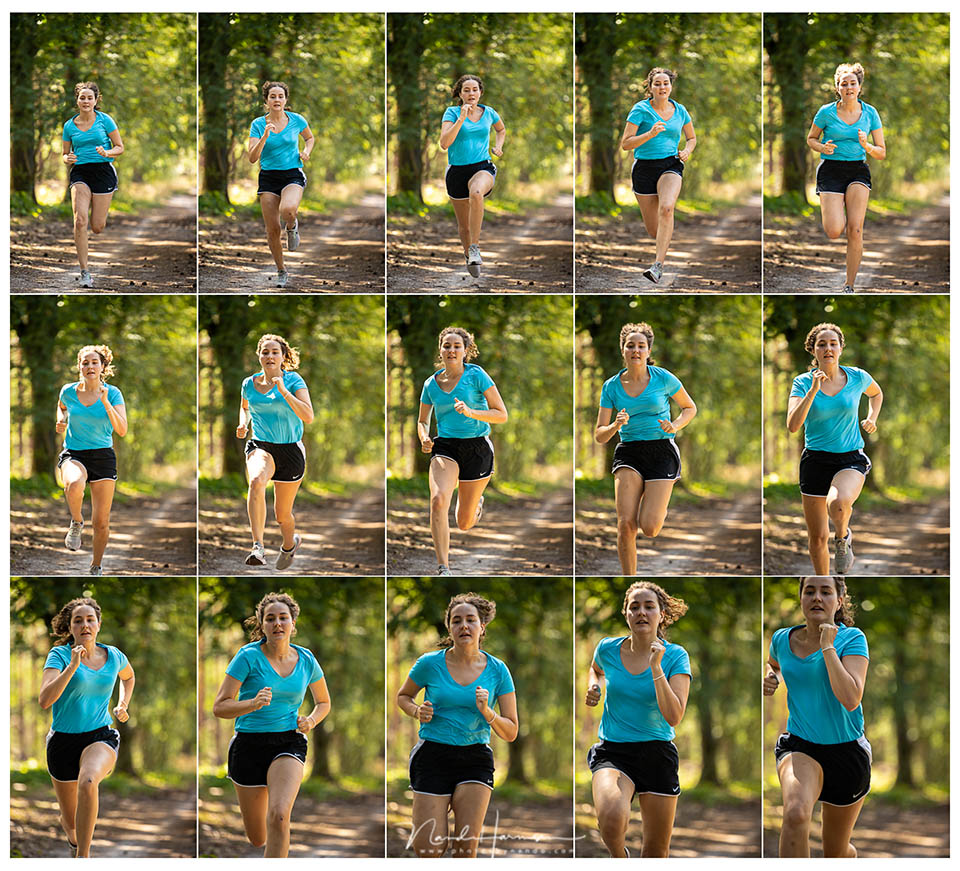
At 16 frames per second, the camera is incredibly fast. You do not have to worry about filling the buffer, and if it does happen, you can start shooting again within a second. Simply holding down the button is enough.
Whether you will ever fill the buffer is another question, because an action sequence will almost never last 30 seconds. That is how much time you have before the buffer needs a few seconds to catch its breath.
An SLR, but also a little bit mirrorless
What is remarkable about the Canon EOS 1Dx mark III is the change the camera undergoes when you switch to live view. The EOS 1Dx mark III effectively turns into a mirrorless camera. You just do not have an electronic viewfinder.
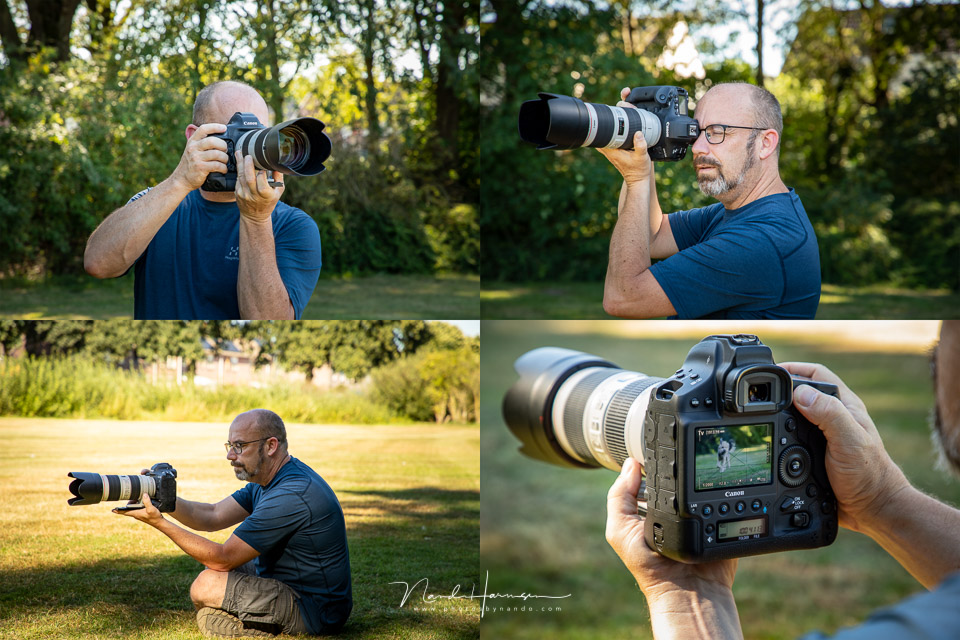
This means that you have to hold the camera at arm's length to use the LCD screen, which is not very easy or comfortable with a 70-200mm f/2.8 lens.
But you get Dual Pixel CMOS autofocus with face AF and the option to track your subject. In this mirrorless mode, you can shoot at up to 20 frames per second with the electronic shutter.
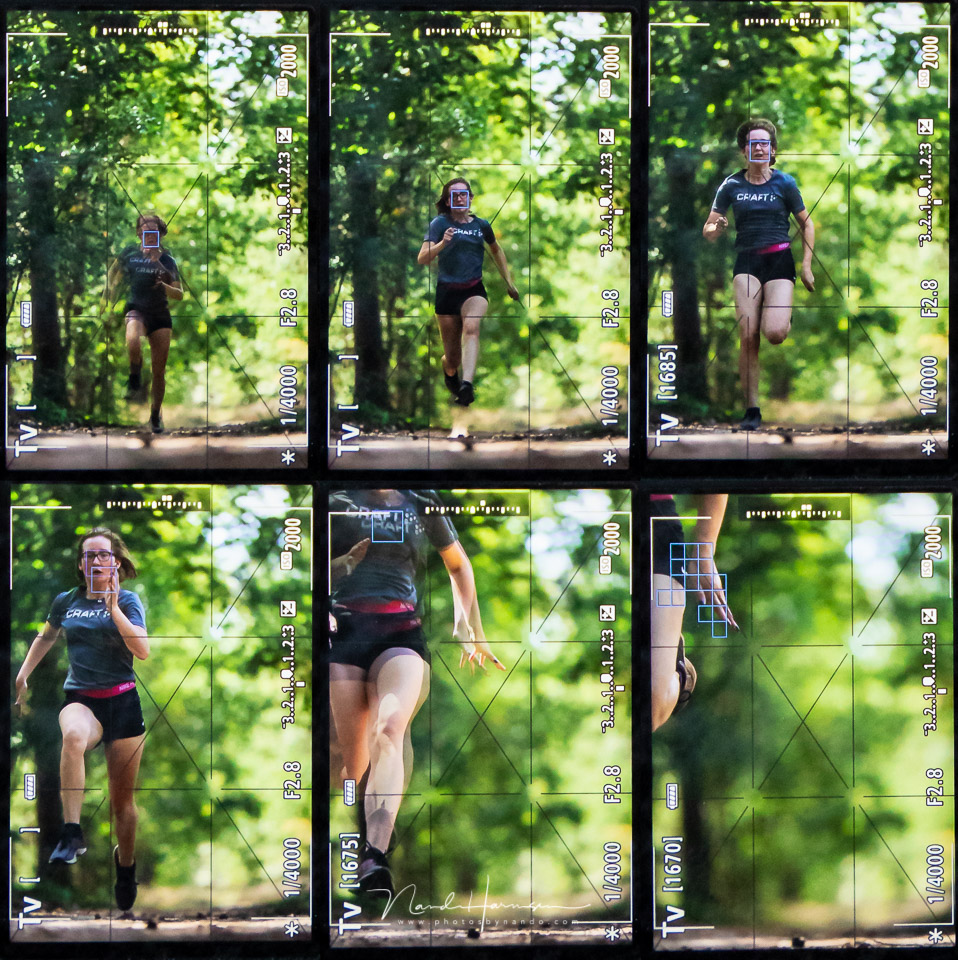
The autofocus works like a dream. It can track your subject flawlessly, but if the focus briefly misses, the camera quickly picks it up again.
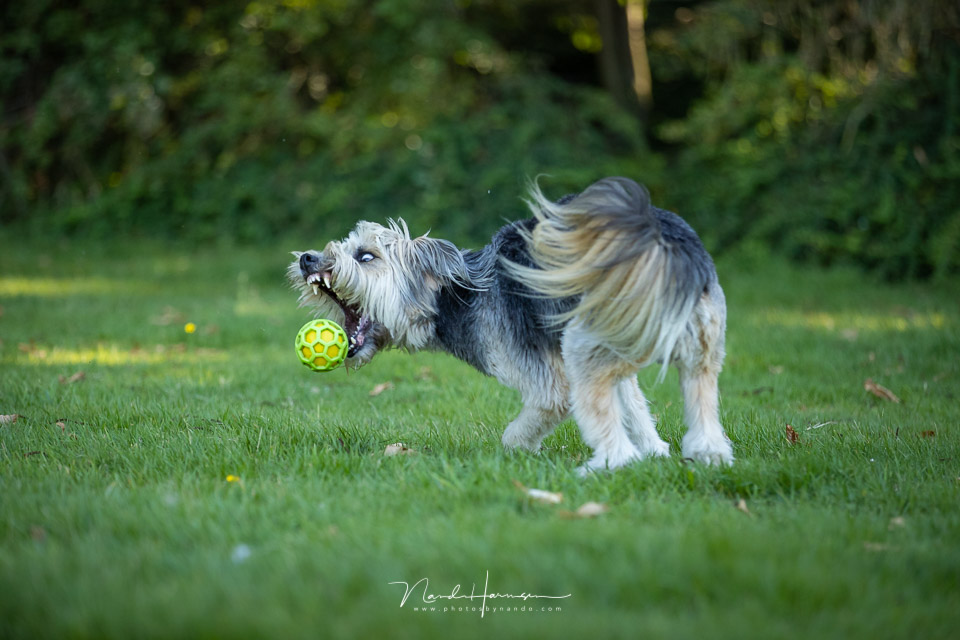
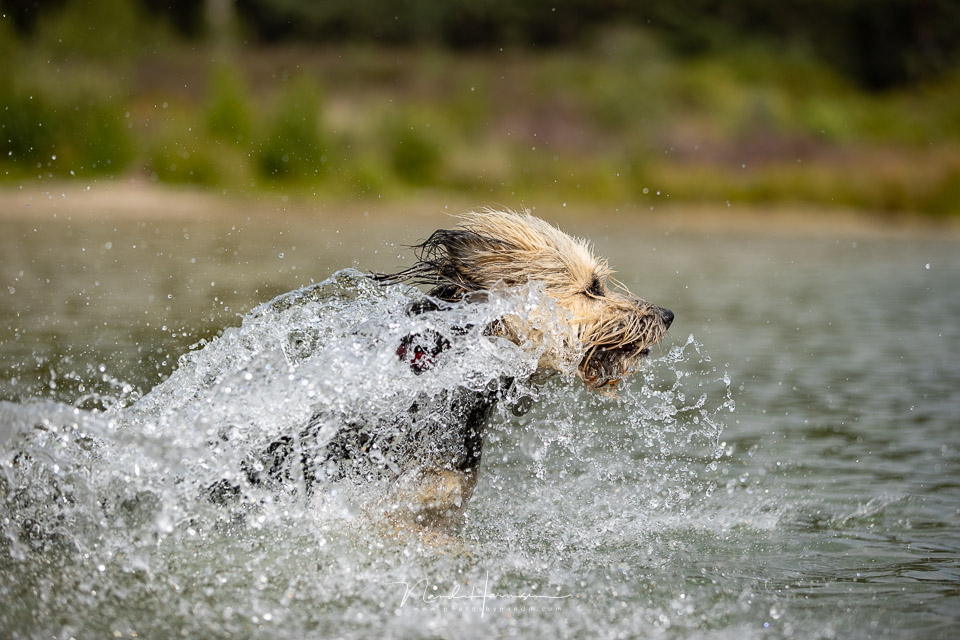
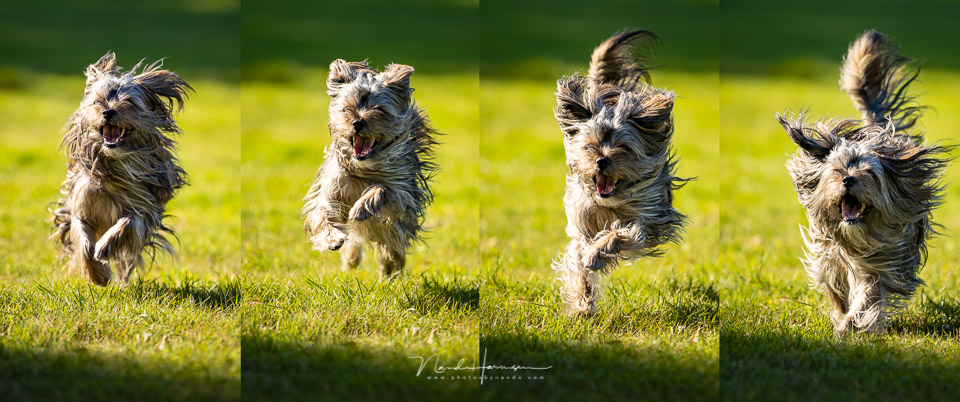
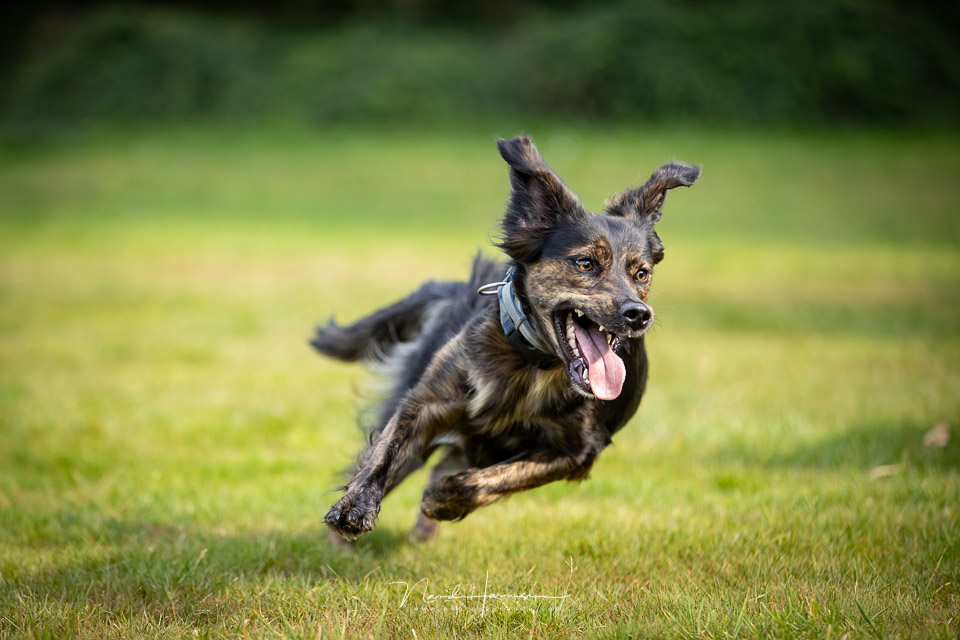
When photographing the running and playing dogs, the camera only became confused by the dancing hair of their coats or the drops of water splashing in every direction.
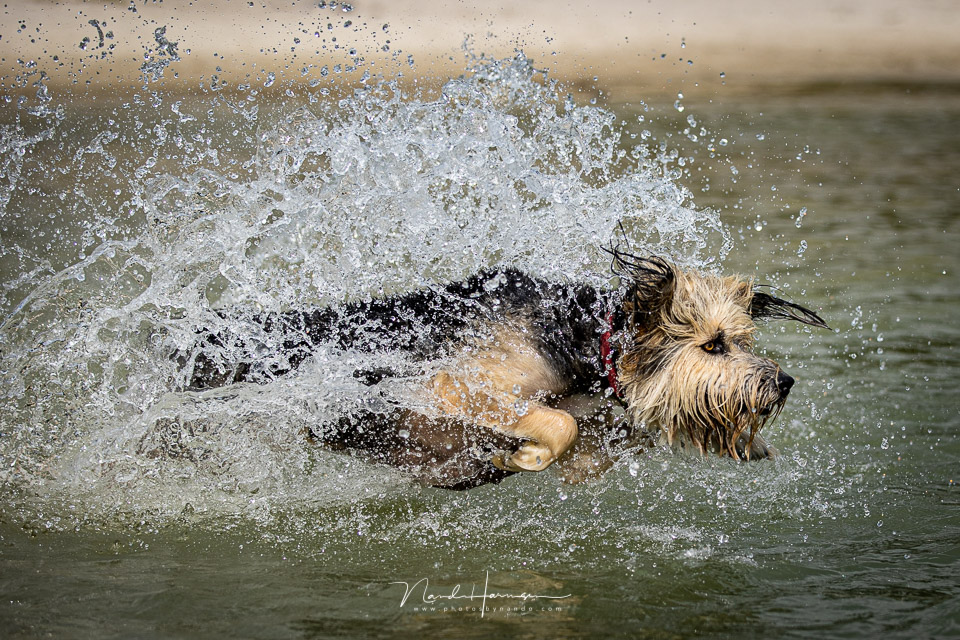
It is possible that a better-configured autofocus setting would make it even easier. The camera certainly offers enough options for this.
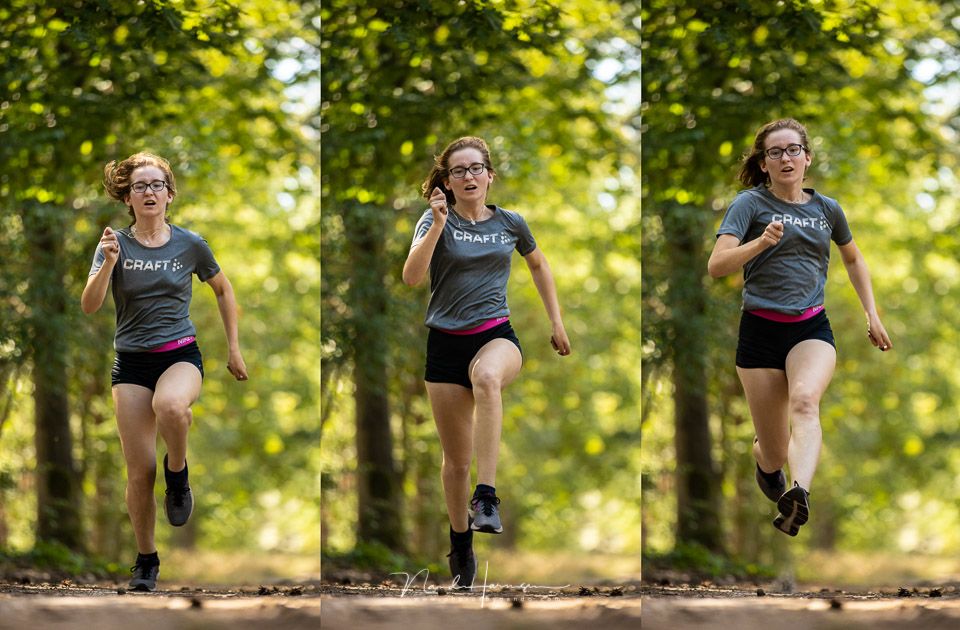
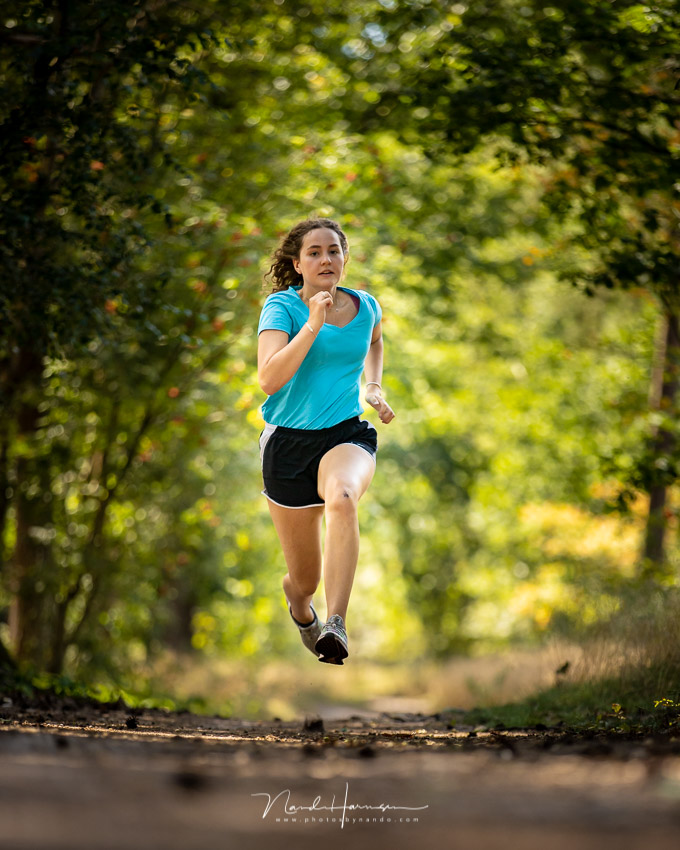
While photographing a running athlete, where droplets or hair were not a distraction, the autofocus stayed perfectly on the face. Both in normal mode and mirrorless mode, the camera kept the focus perfectly.
Setting up the camera to suit your preferences
Like many EOS cameras, the EOS 1Dx mark III can also be configured extensively to suit your preferences. You can adjust the function of the buttons or change their behaviour. There is a fully customisable Q menu, where you can collect and arrange your own functions.
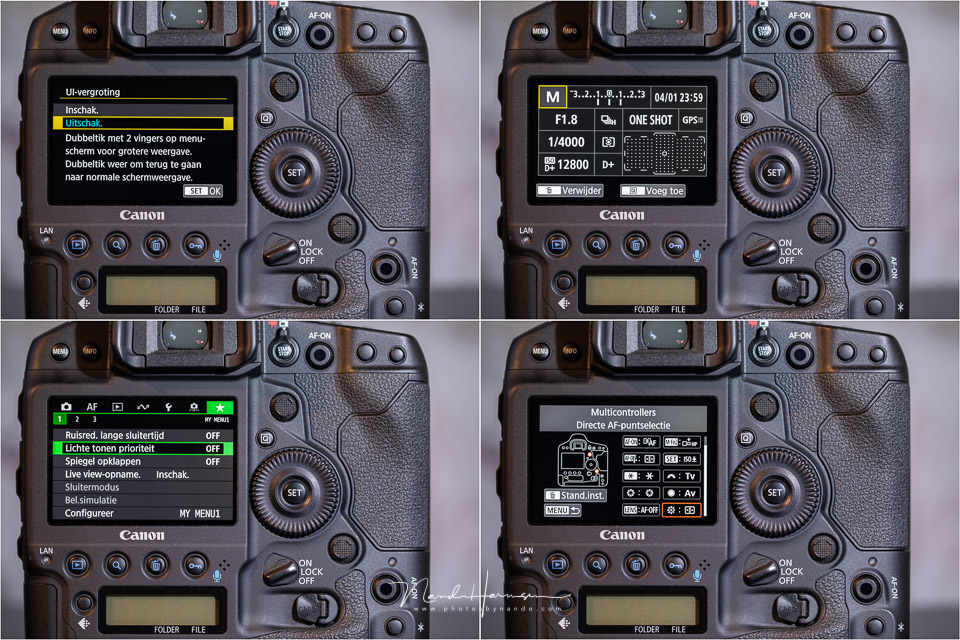
The My Menu allows you to collect the menu functions you use most, so you do not have to dive deep into the menu every time.
There is also an option to enlarge the menu if you find it difficult to read. Just double-tap with two fingers and the screen is enlarged.
You can enable or disable all display options on and from the LCD screen as you wish, and the behaviour of the touchscreen and Smart Controller can also be configured. This makes the camera completely and easily adaptable to your preferences, further improving its ease of use.
Filming with the EOS 1Dx mark III
I am not a filmmaker, although these days I do it more often than I used to. The EOS 1Dx mark III naturally also offers video capabilities.
The 5.5K/50fps RAW format is notable. You need a fair amount of storage for it, but it allows you to make full use of the dynamic range of your sensor.
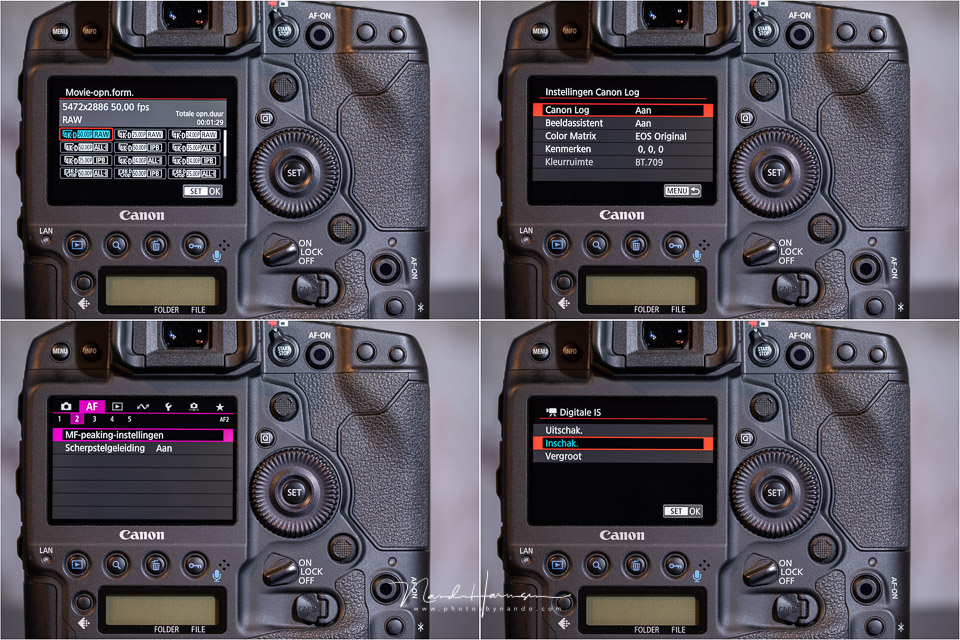
The EOS 1Dx mark III also offers a large number of 4K and Full HD video formats, going up to 60 fps. In Full HD, you can also choose 100 fps.
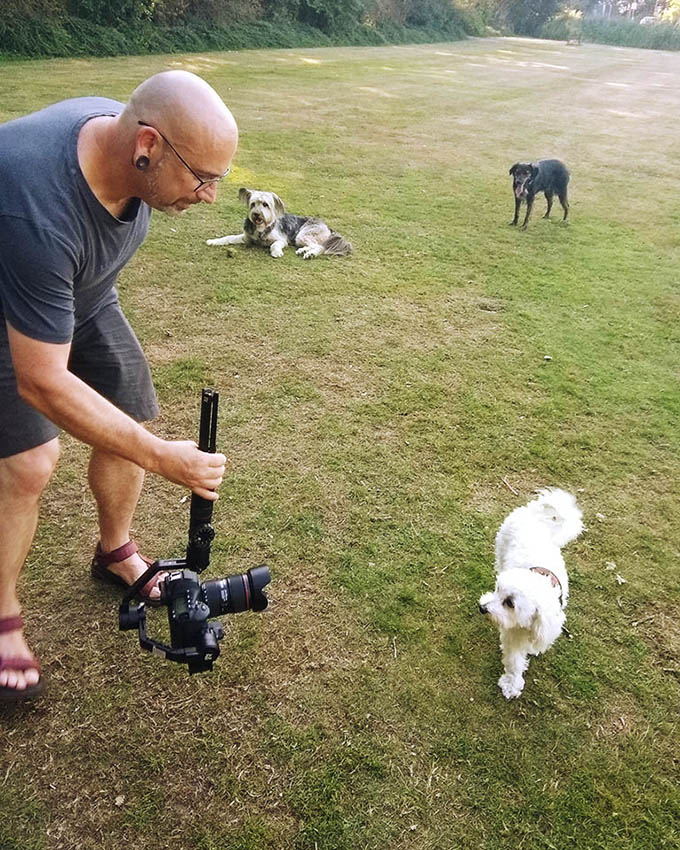
The electronic image stabilisation option is remarkable. Although it is not true IBIS, it still produces a more stable image when filming handheld. Nevertheless, a gimbal or tripod is always recommended for filming.
Everything summed up: what do I think of the camera?
In one word: wow.
I photographed with a Canon EOS 1D mark III for years, and then for a very long time with the first-generation Canon EOS 1Dx. Both were fantastic cameras that excelled at what they were made for: action.
They have always been incredibly fast, with fantastic autofocus that perhaps was not always the best in its class, but where the differences were marginal. In my view, Canon has outdone itself with the EOS 1Dx mark III.
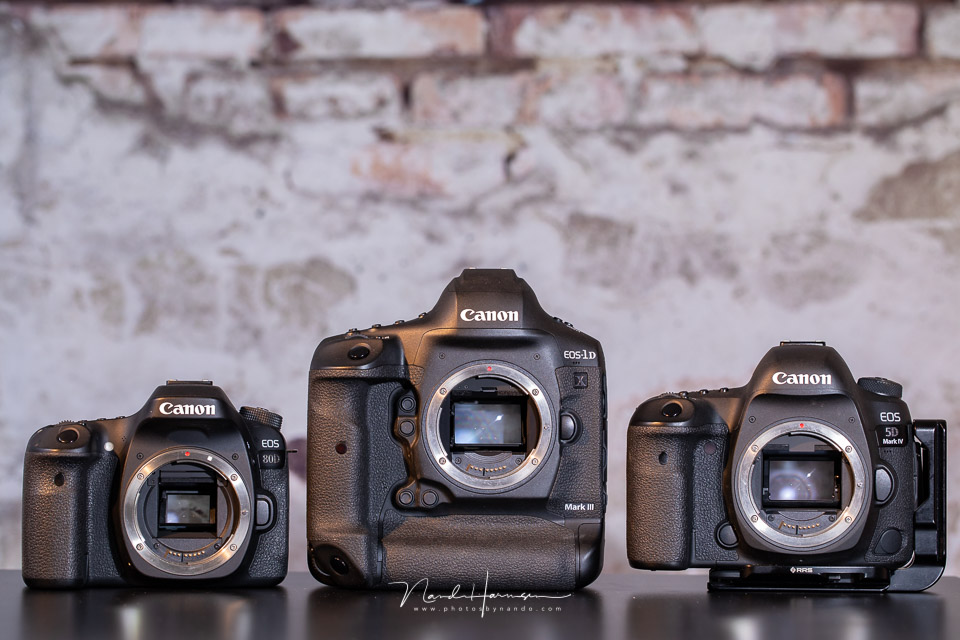
Of course, the camera is made for long-term use without compromise. Everything is right on this camera. The buttons, their placement, the flexibility when setting up and configuring it.
But what really impressed me is the Smart Controller in the AF-ON button. This camera is a winner for me for that reason alone.
It is of course more than that. The ability to configure the camera as you wish, the autofocus, the speed, the video capabilities and the option to turn it into a kind of mirrorless camera all count. If I specialised in action photography, this would be the camera for me.
Are there also things I like less? Of course, but there are very few of them. It mainly comes down to personal preferences. I miss a bulb timer and a time-lapse function.
A tilting screen would be useful, and why not have an electronic viewfinder that appears in the viewfinder when switching to live view? Either or both would be perfect for the camera's mirrorless function.
Perhaps the menu for setting the video quality is the biggest drawback. It is rather unclear, and the options are not always in the best places. It is also not always clear why a function in the video menu is disabled. It takes some puzzling to work it out.
Although the 20-megapixel resolution is more than sufficient for almost all photography, I personally still prefer a resolution that is at least as high as the 30 megapixels of my EOS 5D mark IV.
What I really like
- An SLR with an optical viewfinder
- The shape and design
- Fully configurable
- Touchscreen
- Smart Controller is fantastic
- Little noise at high ISO values
- Autofocus speed and accuracy, with both stationary and moving subjects. Dual Pixel AF
- Eye AF in live view mode
- Speed of 16 frames per second, and 20 in live view while retaining autofocus
- 5.5K/50fps video in RAW format
- 4K/60fps, together with a whole selection of other formats
- Full HD 100fps slow motion
- Electronic image stabilisation for video
- Memory buffer and writing speed are phenomenal
- Viewfinder cover
- 10-bit HEIF file format available (for HDR)
- GPS and WiFi
- Mirrorless function (apart from the presence of an electronic viewfinder)
- Fully customisable Q menu
- Dual card slot with the same read and write speed on CF Express cards
- Screen magnification is possible if you have difficulty reading the information on the screen
What I like less
- Only 20 megapixels
- No bulb timer
- No time-lapse function
- Menu for setting video quality is unclear
- No In Body Image Stabilization (IBIS)
- Photography in mirrorless mode only via the screen (no electronic viewfinder)
- Auto ISO does not take focal length into account
- Shutter speed can still only be set to 30 seconds, after which bulb is needed
Gallery


About the author
Nando Harmsen has been photographing for more than 40 years. He specialises in wedding photography and landscape photography. Nando also gives talks, workshops, masterclasses and photo trips, and regularly reviews new and interesting equipment.
You might also like
-
 Review: Canon EOS R5
by Nando Harmsen
-
 Review: Canon EOS R6 mark III
by Nando Harmsen
-
 Review: Canon EOS R6
by Nando Harmsen
-
 Review: Canon EOS R3
by Nando Harmsen
-
 Review of the fantastic Canon EOS R6 Mark II
by Nando Harmsen
-
 Review: Canon EOS R7
by Nando Harmsen
2 comments
-
 Marcel de Bruin wrote on Tuesday 18 August 2020 at 18:18 | reply
This is THE camera ! I would have liked to see something regarding the AF, how the camera performs with much longer focal lengths ( with a 70-200 it also goes right almost always with my DX MkII and the need to switch to the Mk III is not so great)
Translated from Dutch. -

 Nando
wrote on Wednesday 19 August 2020 at 14:39
| reply
@Marcel de Bruin:
Translated from Dutch.
Which lens would you have liked to see then? And which brand?
Of course I can't test everything, that's not realistic. I can say that my literature research has led me to conclude that the Mark III leaves the Mark II behind on virtually all fronts.
If you specifically want to know the performance of the Mark III with your lenses, then I recommend renting the camera for a weekend and conducting an extensive test yourself. That way you can judge for yourself whether it's worth upgrading.
Have your say
Please note: Articles older than a week can only be commented on by signed-in visitors.Would you still like to comment? sign in or create a free account.
Become a better photographer every week
A practical photography tip in your inbox every week.
39,013 photography enthusiasts already receive the tips! More about the weekly mail. Or keep up to date via  Facebook.

Elja Trum
Photofacts; everything to do with photography!
Would you like to take better photos and keep up with what is happening in photography? Photofacts publishes articles that teach you something about photography — from a product announcement to a practical shooting tip or a look at a website. Photofacts covers photography every day and is a hobby project of Elja Trum's that got out of hand. The articles are written by a team of volunteer authors. If you would enjoy writing one or more articles for Photofacts, do get in touch.More about PhotofactsPhotofacts is made possible in part by
