

Review: Sony A7C II and A7C R
Friday 2 February 2024, 20:10 by Nando Harmsen | 6,295 views | 12 commentsThis article was translated from Dutch with the help of AI. Read the original.
Everyone knows the Sony A7 IV and Sony A7R V by now. They are Sony's popular mirrorless cameras, which have not only matured, but also grown larger than ever. Do you miss the more compact versions? Then the Sony A7C II or A7C R might be for you.
Sony A7-series cameras were once known for being much more compact than all the other full-frame cameras on the market. That has been changing for some time, and with the latest versions, Sony cameras are no longer so compact.
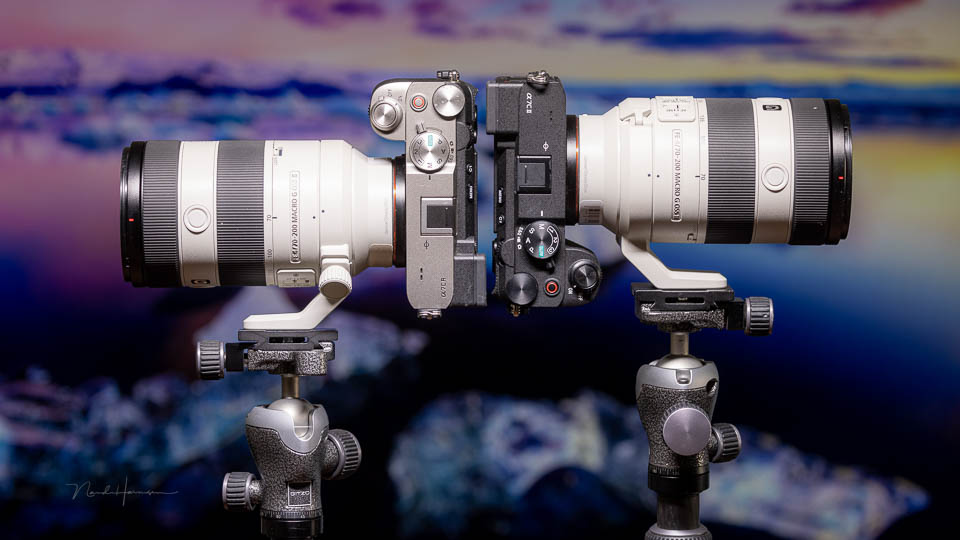
For those who miss that compact shape without giving up too much of the modern functionality, there is the A7C series. The C stands for compact. These cameras really are very small. However, this does have some consequences, as this review will show.
Sony provided me with the A7C II and A7C R. These are the latest models, which you could see as the more compact versions of the A7 IV and A7R V. How do these cameras perform? More importantly, what are they like to use?
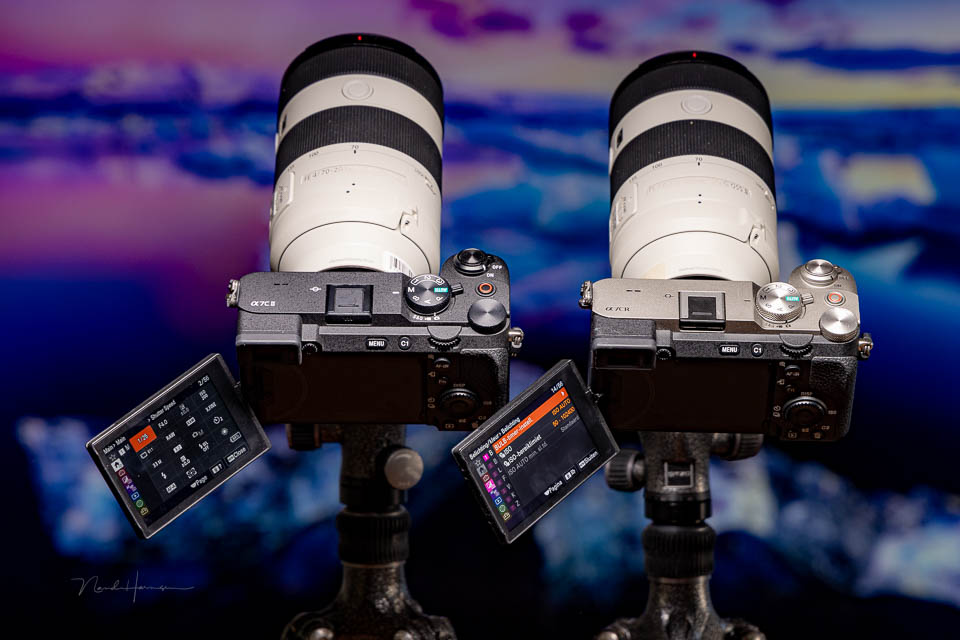
Specifications of the A7C II and A7C R
The two cameras are virtually identical in appearance. The biggest difference is in the resolution. The A7C II's sensor has 34.1 million pixels, while the A7C R has no fewer than 62.5 million pixels. Both are full-frame sensors.
The lists below contain a selection of specifications that are virtually identical on both cameras.
- Hybrid phase-detection / contrast-detection autofocus, AI-powered
- Autofocus sensitivity of -4 EV at ISO 100 with an f/2 lens
- Subject recognition for people, animals, birds, insects, vehicles and aircraft
- Eye-detection autofocus, adjustable per eye and with a preference setting per person
- In Body Image Stabilization (IBIS) up to 7 stops
- Shutter speed range from 1/4,000 sec to 30 seconds. The electronic shutter goes up to 1/8,000 second
- No mechanical first-curtain shutter, it is always electronic
- Electronic OLED viewfinder, 2.35 million pixels with 0.7x magnification and 60/120 fps refresh rate
- 2.95-inch TFT-LCD touchscreen, fully articulating, 1.04 million pixels
- XAVC S: MPEG-4/H.264 and XAVC HS: MPEG-H HEVC/H.265 video format, maximum 4K resolution
- 4:2:2 10-bit S-log and S-Cinetone with LUT-embedded
- AI autoframing for video
- Bulb timer, pixel-shift super resolution, focus bracketing, timelapse/interval
- WiFi and Bluetooth
- Single UHS-II SD slot
Appearance
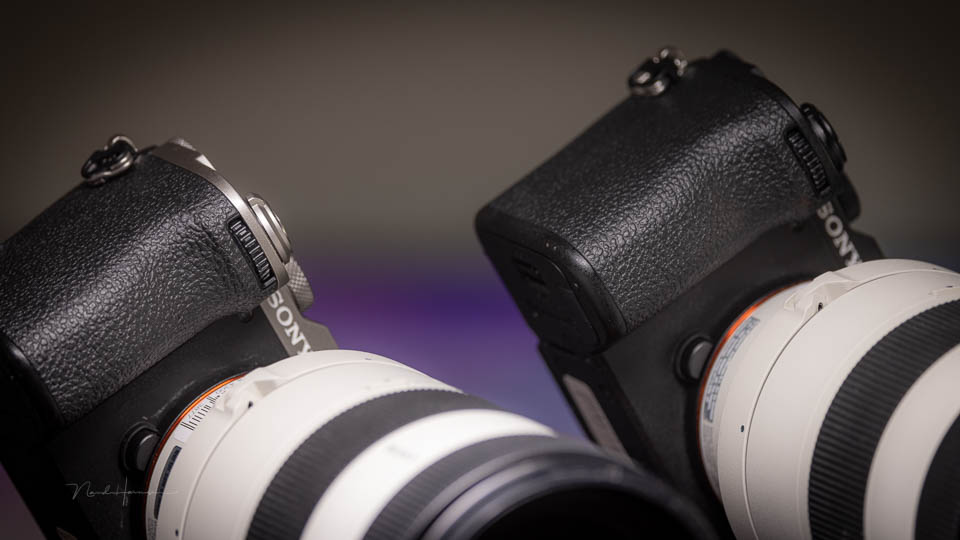
The two cameras are identical in appearance. They are compact, measuring just 124 x 71 x 63mm, and weigh around 500 grams. There are four dials, one below the shutter button, one on top, and one on the back. The fourth is also on the back, and includes four buttons and a set button in the middle.
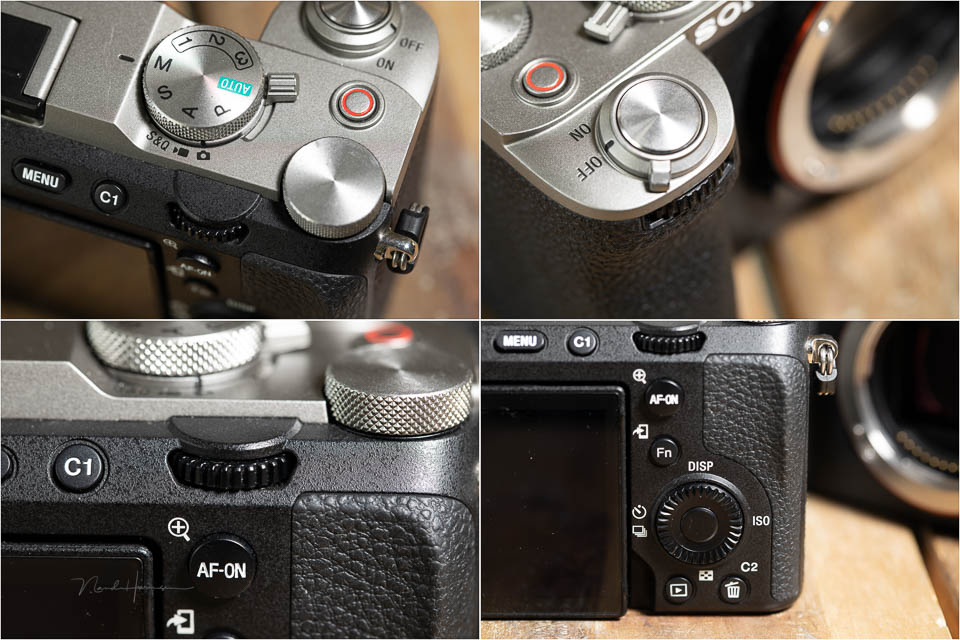
There is no joystick, but there is an AF-ON button. The cameras have two custom buttons. The C2 button also serves as the delete button when viewing images on the 3-inch touchscreen.
The grip is reasonably well shaped, but bear in mind the camera's small size. The grip is therefore not very deep. On the other side of the camera are three doors. Behind the middle one is the UHS-II SD card slot.
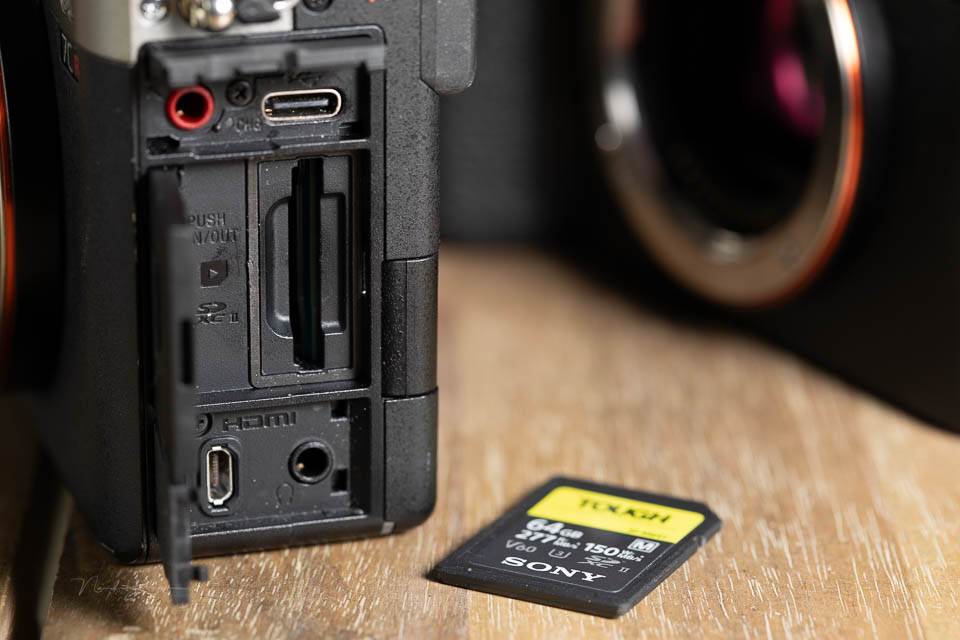
The top door hides a microphone connection and the PD-USB-C port, which can also be used to charge the battery in the camera. Behind the bottom door are a micro-HDMI and headphone connection.
Around the PSAM dial is a switch that lets you switch between photo, video and S&Q. You start video recordings with the red button. The main switch is around the shutter button.
Image quality
The sensors in these two cameras are not unknown. They are also found in their larger counterparts, the A7R V and A7 IV. You should therefore see these cameras as their more compact counterparts, hence the C in the name.
There are some differences in their capabilities. The A7C R has an ISO range from ISO 100 to ISO 102,400. The A7C II goes all the way up to ISO 204,800. What this means for the image can be seen in the test.
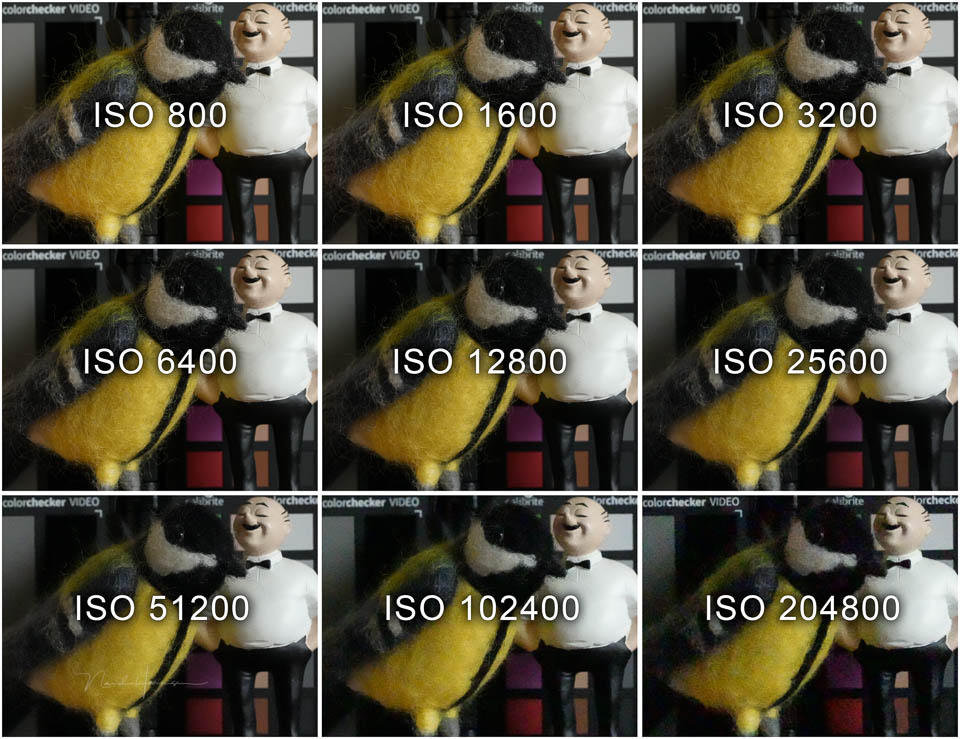
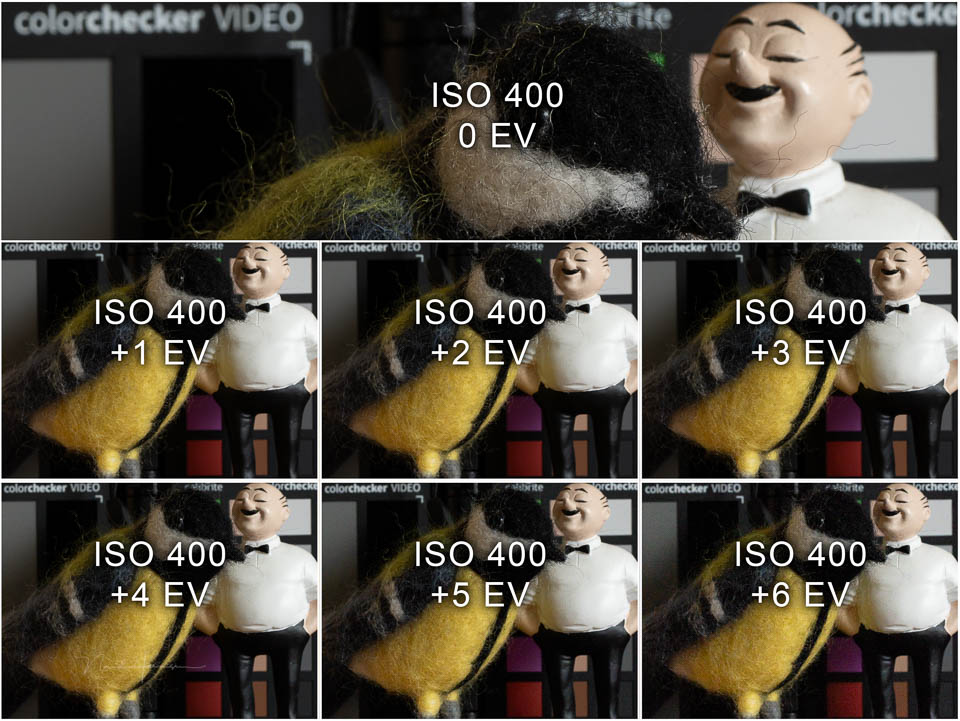
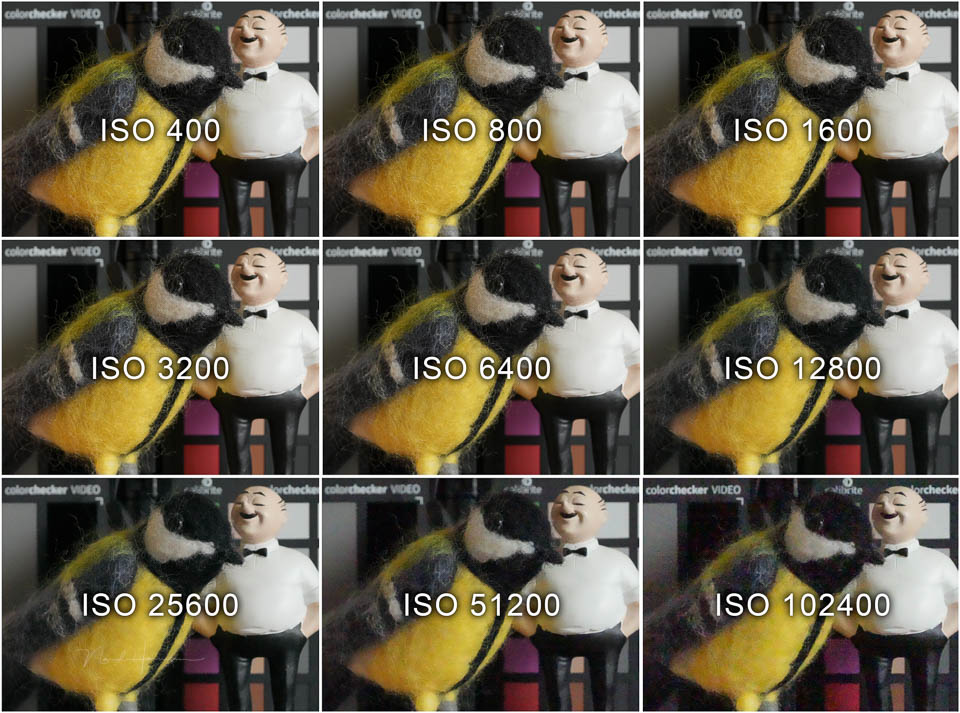
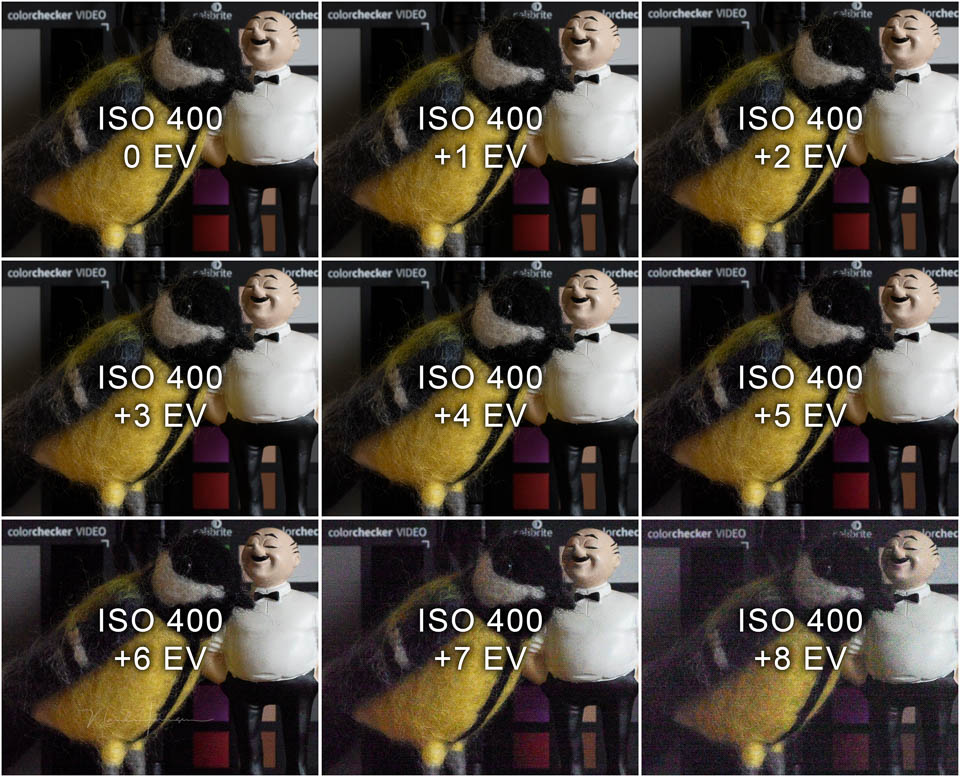
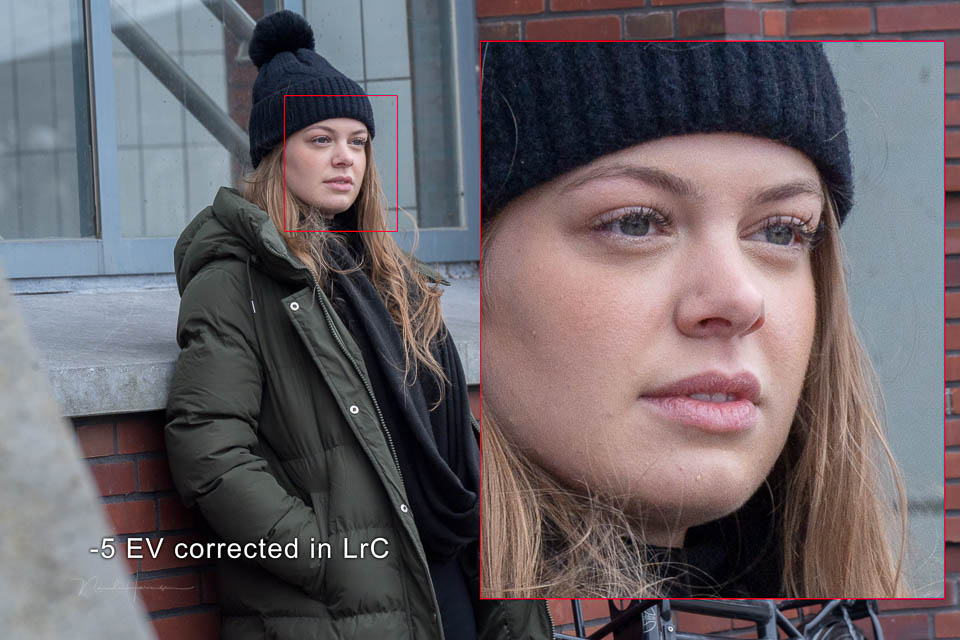
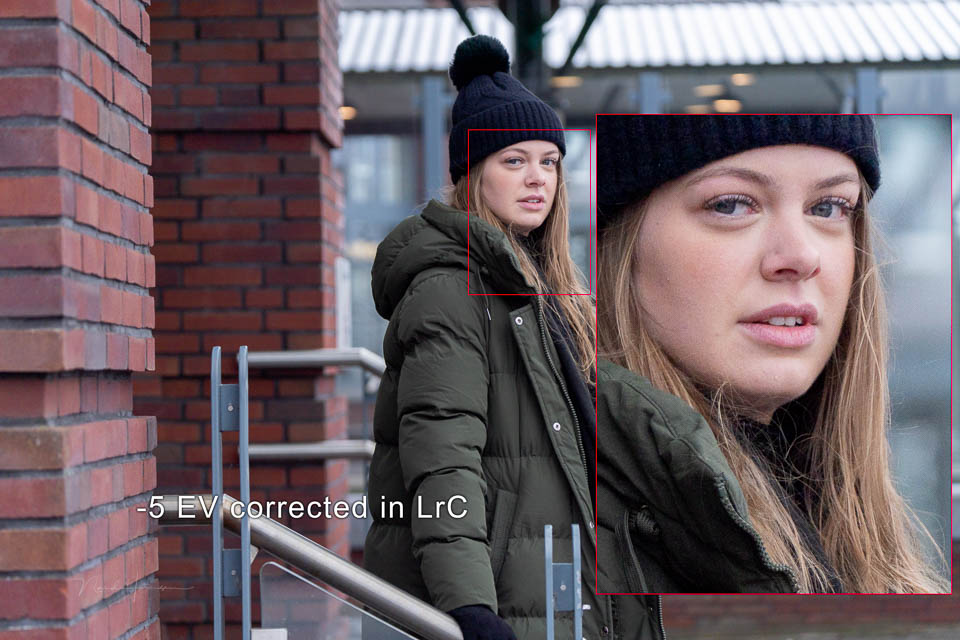
Both cameras offer plenty of options for brightening dark areas in a photo. This was also apparent with their larger counterparts. A correction of five to six stops is easily achievable, while keeping noise levels within acceptable limits.
Autofocus and shooting speed
The autofocus uses an AI-powered processor that can predict a subject's movements. This makes the autofocus system one of the best on the market. The camera can recognise people, animals, birds, insects, vehicles and aircraft.
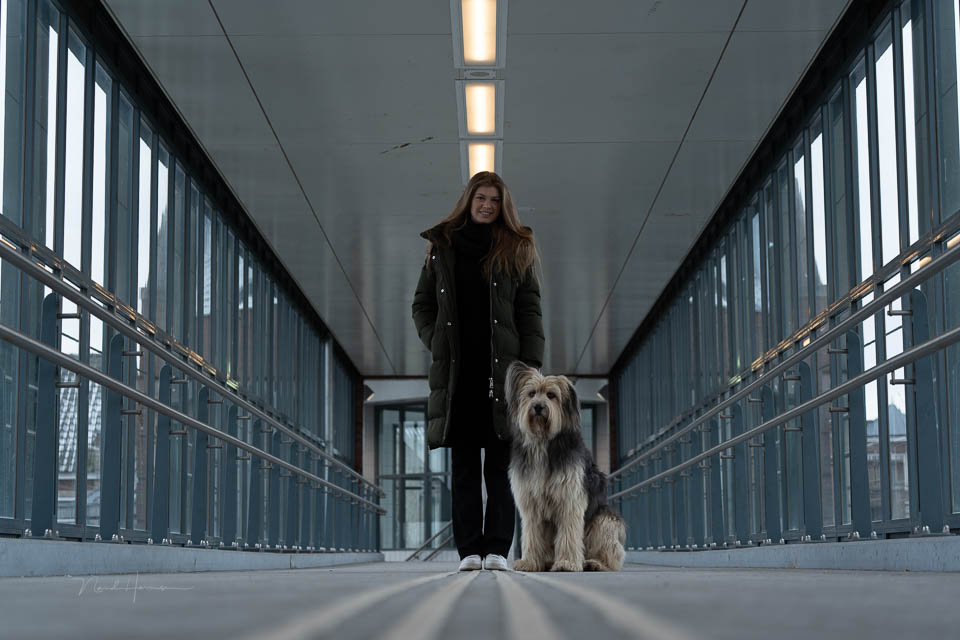
You can adjust the behaviour separately for each type of subject recognition. I did not test this system extensively, but the subject recognition works excellently, as expected. Tracking, following movement, also works smoothly.
The A7C II has a maximum shooting speed of ten frames per second, with both the mechanical and electronic shutter. The A7C R only reaches eight frames per second. At the highest JPEG quality, the A7C R's buffer is good for a maximum of 48 shots. In RAW, uncompressed, it can manage 36 shots.
Thanks to its lower resolution, the A7C II manages more shots, up to 88 at the highest JPEG quality and 44 shots in RAW, uncompressed. If you choose lossless RAW compression, the maximum number of shots drops to 27 for the A7C II and 16 for the A7C R.
For action photography with a lot of movement, both cameras show a very strong rolling shutter effect. This is, of course, with the electronic shutter. The mechanical shutter suffers much less from this. In both cases, there is blackout in the viewfinder.
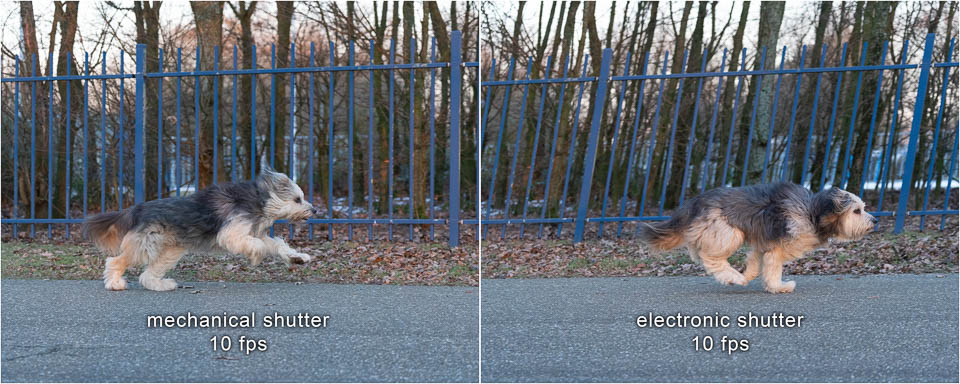
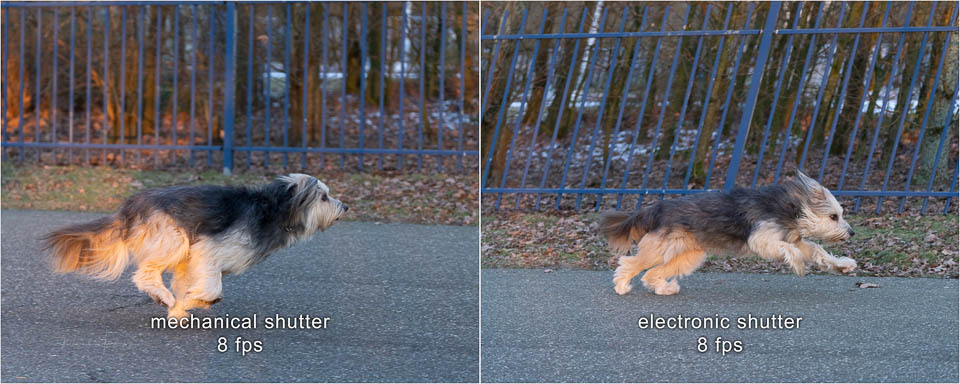
The camera only has half a mechanical shutter. The mechanical shutter starts with an electronic first curtain and ends with a physical second curtain. This can have a negative effect on background blur, or bokeh.
In practice
The image quality of both cameras is nothing to worry about. The detail in the photos is excellent and the dynamic range is large enough to achieve good results in virtually all situations.
The autofocus works perfectly once it has been set up properly. Setting it up does require some work, because there are a huge number of variables to choose from. The menu, the location and the names of the functions are not always clear.
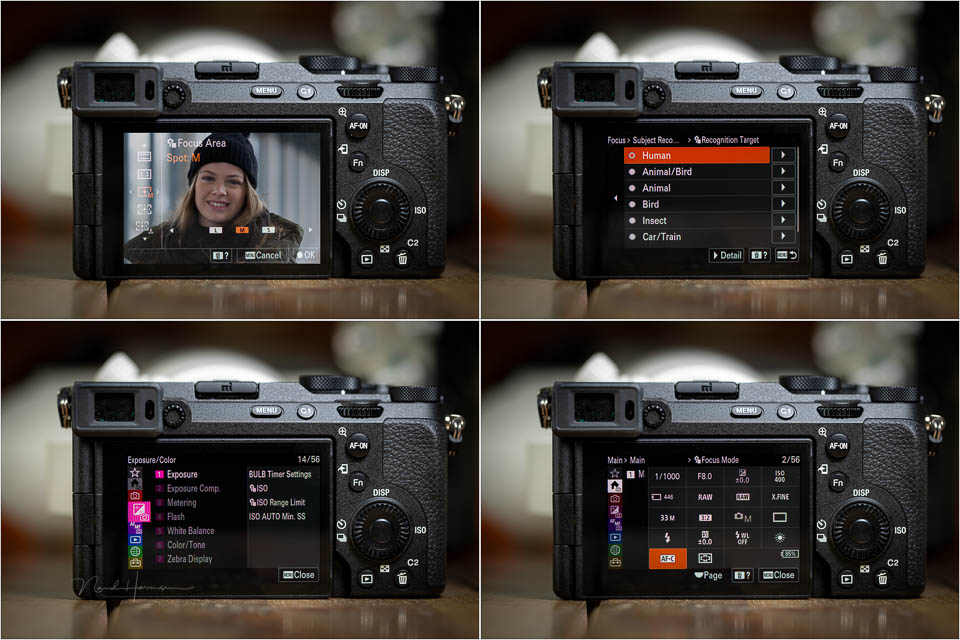
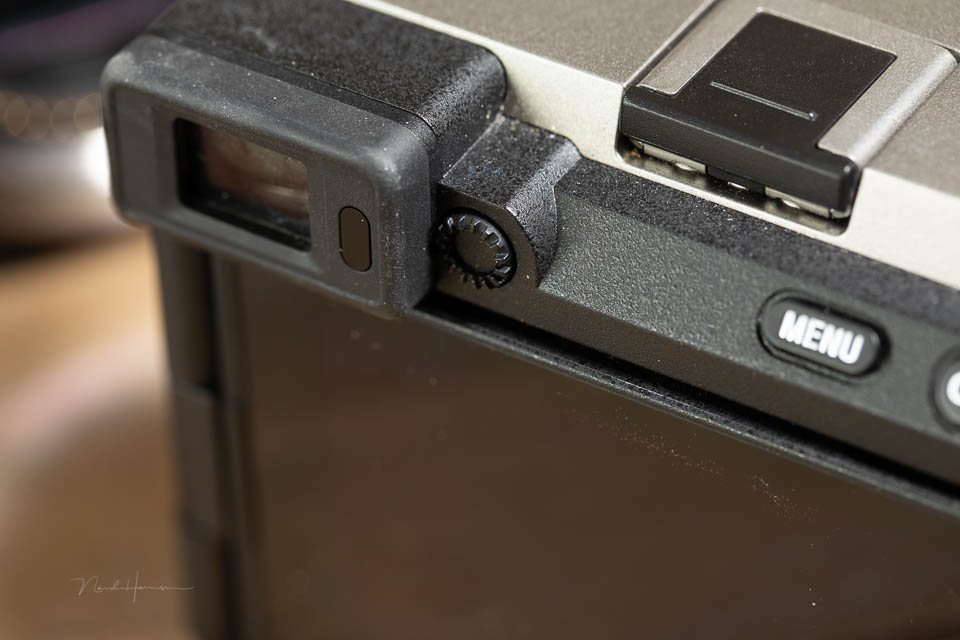
Ultimately, it comes down to operating the cameras themselves. The small size can play a major role here, especially if you have large hands. There is no joystick, which is a major omission. The buttons are small and quite difficult to find by touch.
The presence of a control dial below the shutter button is a major improvement over the original A7C. However, like the rear control dial, it is set very deep and is therefore difficult to operate. Especially when wearing gloves.
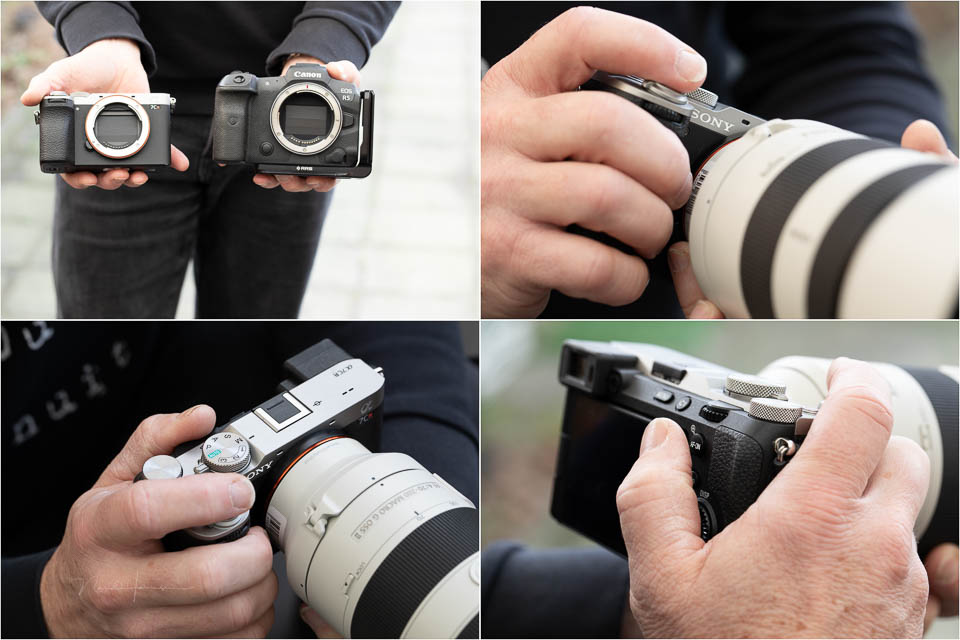
Because of the rolling shutter effect and the limited shooting speed, the camera is only suitable for photographing action occasionally. The blackout in the viewfinder also makes it difficult to follow your subject properly. The small viewfinder, which is still larger than the one in the original A7C, has a fairly low resolution and is not very pleasant to look through.
Additional functions
Both cameras offer many additional functions, including focus stacking and pixel-shift high resolution. In both cases, the result has to be created using Sony software on the computer. There is also focus breathing compensation specifically for video.
There are functions for creating a timelapse or interval, as well as a useful bulb timer. Oddly enough, the latter has the limitation that you can set a maximum exposure of only 900 seconds.
Conclusion
Both the A7C II and A7C R are excellent cameras that produce good results. Their autofocus and image quality are among the best in the camera world. You will not be disappointed.
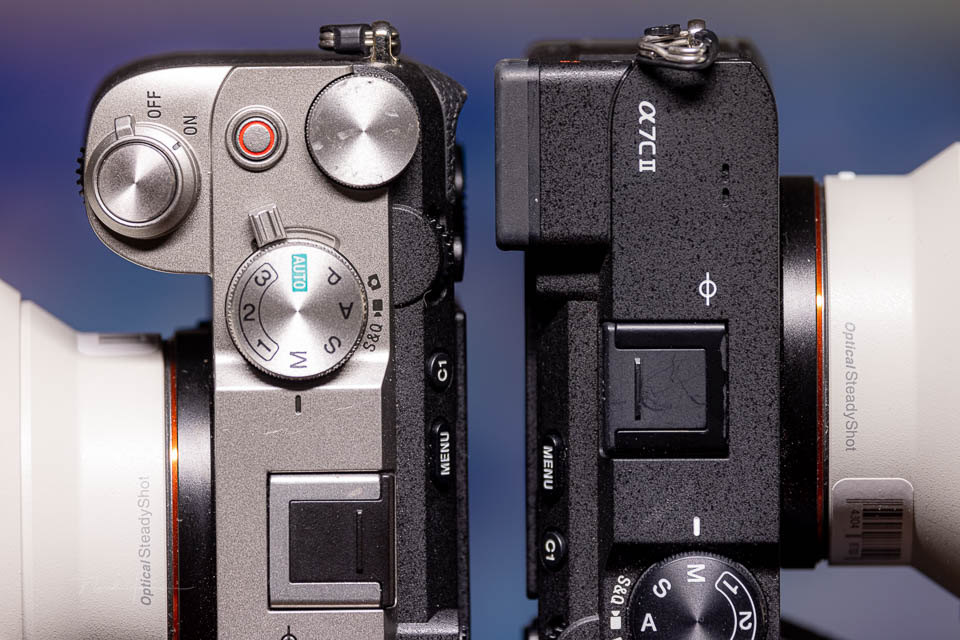
However, the ergonomics of the cameras leave something to be desired, mainly as a result of their size. This is something to bear in mind. The lack of a joystick is also a drawback. Moving the focus point has to be done with the four-way control, which has been given a dual function for this purpose, or with the touchscreen. This is far from ideal.
I find the control dial below the shutter button difficult to reach because of the camera's small size. It is also set so deeply that it is difficult to operate. It can be a challenge, especially when wearing gloves.
The cameras have the new menu, which is an enormous improvement over the old one. Even so, many functions still have cryptic names and the layout is not always logical. The huge number of adjustment options does not make things any easier.
There are still a number of odd choices in the camera's behaviour that can sometimes be limiting. Think of the 900-second limit for the bulb timer. Most notably, however, the live-view image does not change its exposure when exposure compensation is set to more than + or -3 stops.
The small, low-resolution viewfinder and blackout during continuous shooting make it an unsuitable camera for action photography. Quite apart from the fact that the shooting speed is not very high, both sensors show a distracting rolling shutter effect.
The cameras are not cheap. The Sony A7C II body costs 2399 euros and the A7C R costs 3698 euros. For comparison, the A7 IV costs 2699 euros and the A7R V costs 4499 euros. There is no denying that they are excellent cameras. However, there are a number of drawbacks that can negatively affect the enjoyment of using them, and that you would not expect at this price point.
What I like, or: pros
- Excellent image quality
- Good ISO performance and dynamic range
- Outstanding autofocus performance
- Settings can be extensively personalised
- New menu structure
- Good battery performance, although not as good as that of the larger counterparts
- Control dial in the grip
- Bulb timer included
- Pixel-shift high resolution and focus stacking
- Separate switch for photo/video and S&Q
What I don't like, or: cons
- Camera is too compact to allow for good ergonomics
- Control dial in the grip is set too deeply and difficult to reach
- No joystick
- Exposure simulation for exposure compensation works up to +/- 3 stops, not up to the adjustable +/- 5 stops
- Display settings overlay can often be difficult to read
- Menu item layout and abbreviations are often illogical or unclear
- Personal adjustment options can make the menu confusing at times
- Bulb timer has a limit of 900 seconds
- No in-camera pixel-shift high-resolution merging
- Shooting speed is very limited
- Particularly strong rolling shutter effect in video and photos with the electronic shutter
- No physical first-curtain shutter, it is always electronic
- Electronic viewfinder is small and has a very low resolution for this type of camera
- Single UHS-II SD slot
These points apply to both the A7C II and the A7C R. In this review, I have not covered the video capabilities, apart from mentioning the rolling shutter effect.
Who are these cameras suitable for
Sony has a large number of cameras on the market. But there is logic to it. The standard A7 models are DSLR-like cameras that now have a comfortable size and sit well in the hand. The A7C series is the compact version, which also has a lot in common with the A6xxx models with an APS-C sensor. Just read the review of the A6700.
This means that the A7C II and A7C R are cameras for the enthusiastic photographer who wants a very compact, lightweight camera that gives up little compared with its larger counterparts. The downside is that you must be able to live with the poorer ergonomics.
If you are looking for a camera aimed at action photography, however, you would do better not to choose the A7C II or A7C R. If the low shooting speed is not a drawback, the strong rolling shutter effect is. This is also a problem with their larger counterparts.
Gallery






About the author
Nando Harmsen has been photographing for more than 40 years. He specialises in wedding photography and landscape photography. Nando also gives talks, workshops, masterclasses and photo trips, and regularly reviews new and interesting equipment.
You might also like
-
 Review: Sony A7 IV
by Nando Harmsen
-
 Sony introduces the A7C II and A7C R cameras
by Nando Harmsen
-
 Review: Sony A7R V mirrorless camera
by Nando Harmsen
-
 Review: Sony A1 mirrorless camera
by Nando Harmsen
-
 Review: Sony A6700 APS-C mirrorless camera
by Nando Harmsen
-
 Sony announces successor to the Sony A7R IV, the camera with AI
by Nando Harmsen
12 comments
-

 A.Gooier wrote on Saturday 14 September 2024 at 15:39
| reply
A.Gooier wrote on Saturday 14 September 2024 at 15:39
| reply
A lot of cons, but isn't a review also a bit subjective. On Ephotozine https://www.ephotozine.com/article/sony-a7c-r-camera-review-36628 the Sony A7C R has only 2 cons.
Translated from Dutch. -

-
A.Gooier wrote on Saturday 14 September 2024 at 20:26
| reply
I think rather a different frame of reference.
Translated from Dutch. -
A.Gooier wrote on Saturday 14 September 2024 at 20:34
| reply
Many drawbacks don't have to be drawbacks for others. That's why a review is subjective.
Translated from Dutch. -
Nando
wrote on Sunday 15 September 2024 at 10:10
| reply
That is also the reason why it says "What I don't like".
Translated from Dutch.
By seriously looking at the downsides and naming them, you are able to pay attention to them. You become aware of them, and can then decide for yourself whether those downsides are important to you.
If I don't include any downsides (no camera is perfect; there are always downsides), I haven't seriously examined the camera.
It's not about tearing a camera down, but about allowing someone who might be interested to make a good choice for him or her. -
A.Gooier wrote on Sunday 15 September 2024 at 16:55
| reply
I wasn't talking about the reader of your review, but about the reviewers among themselves. One reviewer reviews differently than another reviewer. That's why I never read reviews beforehand, because it's subjective. I do read them afterwards, such as about the Sony A7C R. I bought this camera on 12-09-2024, based on the camera's capabilities and specifications.
Translated from Dutch. -
Nando
wrote on Sunday 15 September 2024 at 17:08
| reply
It is a beautiful camera, absolutely. You’ll get a lot of enjoyment out of it.
Translated from Dutch.
I am curious what your experience using it will be like once you have been photographing with it for half a year. Particularly the points that are less pleasant, and whether they are (partly) recognizable in my experiences. -
A.Gooier wrote on Sunday 15 September 2024 at 17:55
| reply
I photographed with the Nikon D850 for years, and because I was fed up with lugging around Nikon equipment, I bought a Sony A7C alongside it 2 years ago. But with the Sony A7C I missed the sharp images that the Nikon D850 did produce. So an upgrade to the Sony A7C R was logical. I don't expect there to be much difference between the Sony A7C and the Sony A7C R.
Translated from Dutch.
What I consider an improvement: the exposure compensation dial that is on top of the Sony A7C, they have fortunately removed on the Sony A7C R. I often turned that dial without consciously realizing it, causing me to take underexposed or overexposed photos.
A disadvantage of a compact body is that it is difficult to photograph with large lenses. Keeping the camera balanced is difficult, but you'll just have to work around that. -
Nando
wrote on Sunday 15 September 2024 at 21:59
| reply
I wasn't aware that the D850 was already that old. Time flies.
Translated from Dutch.
I notice that with the A7C you did run into some of the downsides that I also mentioned for the A7C R. Of course, it's a matter of weighing things up; what matters more to you personally. That's what you can determine with a good list of pros and cons.
However, there is a world of difference between the two cameras you mention. Have fun discovering and photographing with your new camera.
-
A.Gooier wrote on Sunday 15 September 2024 at 22:18
| reply
Time does indeed fly, but the D850 can still easily keep up with the times.
Translated from Dutch.
Actually, I never look at the downsides of a camera, but at what can I do with a camera.
As for discovering and photographing with the A7C R: the menu looks like that of the A7C. And besides that, the fundamentals of photography remain the same.
Good luck with this site! -
A.Gooier wrote on Saturday 28 September 2024 at 12:01
| reply
I found one drawback: the lack of a remote control connection. I have a focus stacking rail from WeMacro. And that can only be connected by wire. That is a real bummer ....
Translated from Dutch. -
A.Gooier wrote on Friday 21 March 2025 at 10:03
| reply
After months of use, I have found a major drawback: because the eyecup does not fit properly around the eye, sunlight enters the viewfinder on sunny days. As a result, the image and the data are difficult to see. I experienced this yesterday and the day before yesterday.
Translated from Dutch.
Searched on the internet and there are more people who have experienced this problem. But there is a solution: purchase a suitable eyecup. https://www.dpreview.com/forums/thread/4769616
In the response there is a link to the eyecup. I am going to order the eyecup in question, and hope that the problem of incoming sunlight will then be solved.
Have your say
Please note: Articles older than a week can only be commented on by signed-in visitors.Would you still like to comment? sign in or create a free account.
Become a better photographer every week
A practical photography tip in your inbox every week.
39,090 photography enthusiasts already receive the tips! More about the weekly mail. Or keep up to date via  Facebook.

Elja Trum
Photofacts; everything to do with photography!
Would you like to take better photos and keep up with what is happening in photography? Photofacts publishes articles that teach you something about photography — from a product announcement to a practical shooting tip or a look at a website. Photofacts covers photography every day and is a hobby project of Elja Trum's that got out of hand. The articles are written by a team of volunteer authors. If you would enjoy writing one or more articles for Photofacts, do get in touch.More about PhotofactsPhotofacts is made possible in part by
