

Review: Sony A7R V mirrorless camera
Friday 30 December 2022, 20:10 by Nando Harmsen | 6,735 views | 2 commentsThis article was translated from Dutch with the help of AI. Read the original.
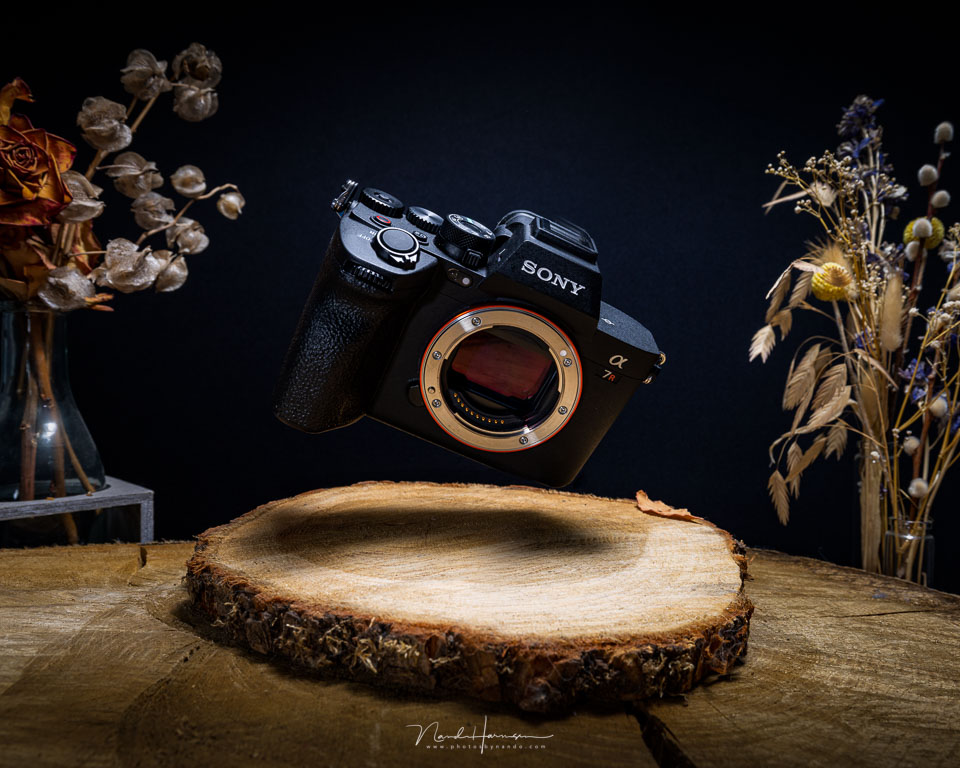
Sony Netherlands provided a Sony A7R V for an extensive review. I took this camera to Luxembourg to list the advantages and disadvantages of this excellent mirrorless camera. Is it worth upgrading, or not?
The Sony A7R V is the long-awaited successor to the now three-year-old A7R IV. The camera has received a substantial upgrade, not only in software, but also in terms of its construction. The A7R V looks largely the same as the A7 IV, which I previously wrote a review about.
The most important specifications
In broad terms, the new camera has been improved in every respect compared with its predecessor. Both in handling and operation, thanks to the body design and new menu, and in the options offered by the camera. Here is a selection of specifications
- 61-megapixel Back Side Illuminated CMOS sensor
- Various Raw image sizes (61, 26 and 15 megapixels)
- Improved AF with subject recognition using AI
- Object recognition expanded with various animals, insects, trains, aeroplanes and cars
- Up to 8 stops of in-body stabilisation
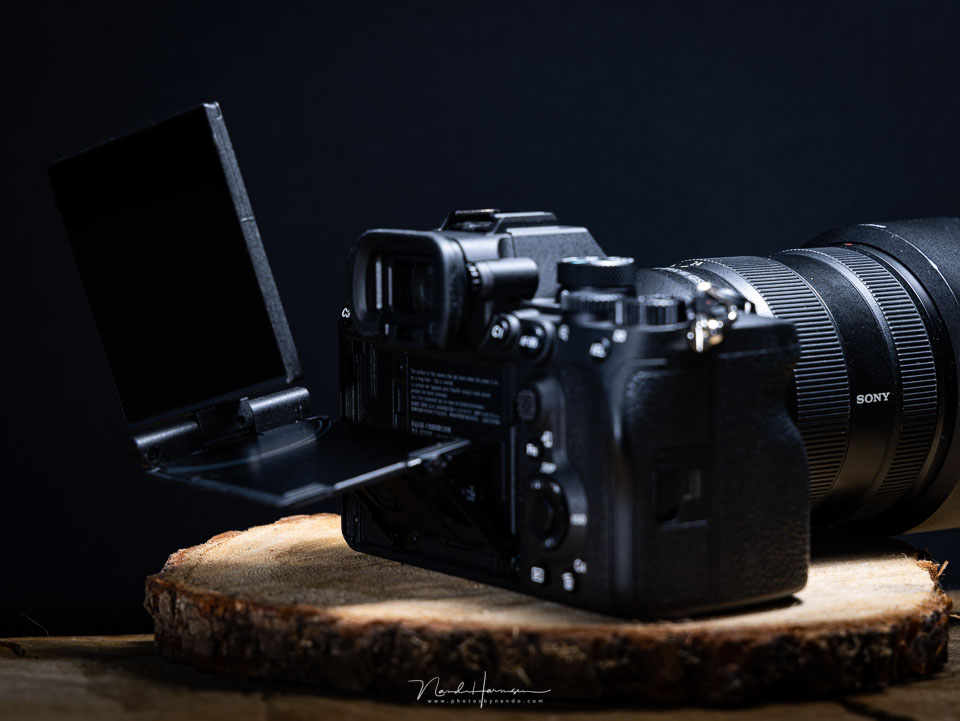
- Fully articulating screen with tilt system
- Automatic focus bracketing with up to 299 images
- Pixel Shift multi-shot high-resolution modes
- Continuous shooting at up to 10 frames per second (in JPEG or lossy compressed raw and with the mechanical shutter)
- 8K 25p and 4K 50p video with a 1.24x crop
- 4K 25p video without a crop
- 10-bit 4:2:2, with S-log3, S-Cinetone and HLG video
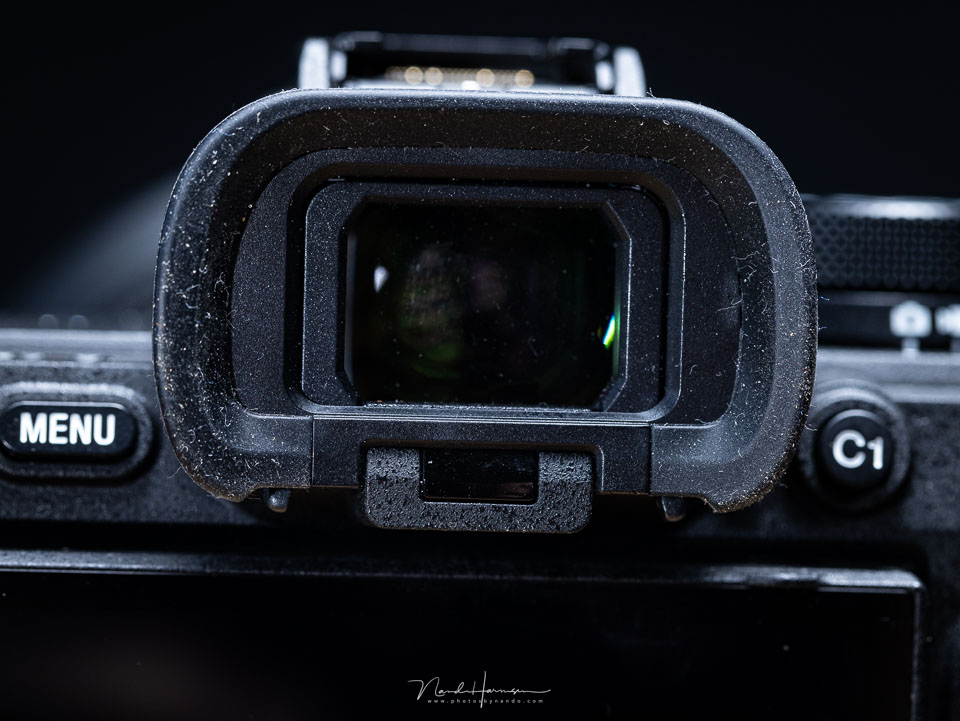
- Electronic viewfinder with 9.44 million OLED dots and up to a 100 fps refresh rate
The sensor in the A7R V has remained the same as in its predecessor. With 61 million pixels, it offers the highest resolution Sony has. Although the sensor data is naturally processed in a better way, the most important thing the new camera offers is the so-called AI AF capabilities. Yes, 'Artificial Intelligence'.
The appearance
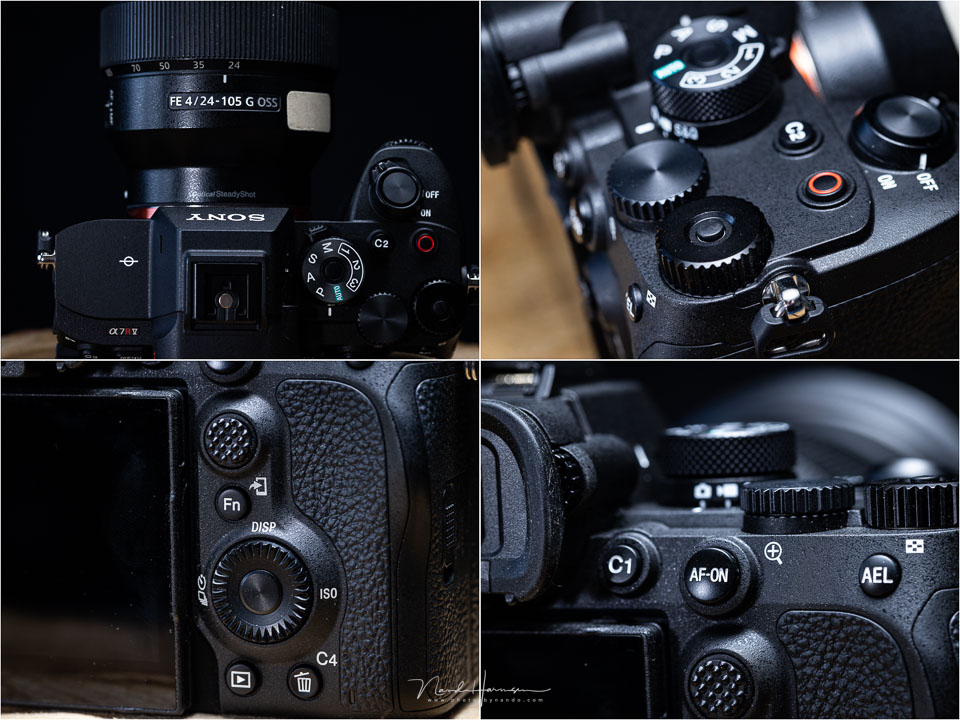
I want to start with the camera's appearance. The A7R V is no longer the compact body it once was. Thankfully. The camera is larger and therefore offers a better grip. The grip is good, and the buttons are of better quality. You will find everything where you would expect it on a Sony camera.
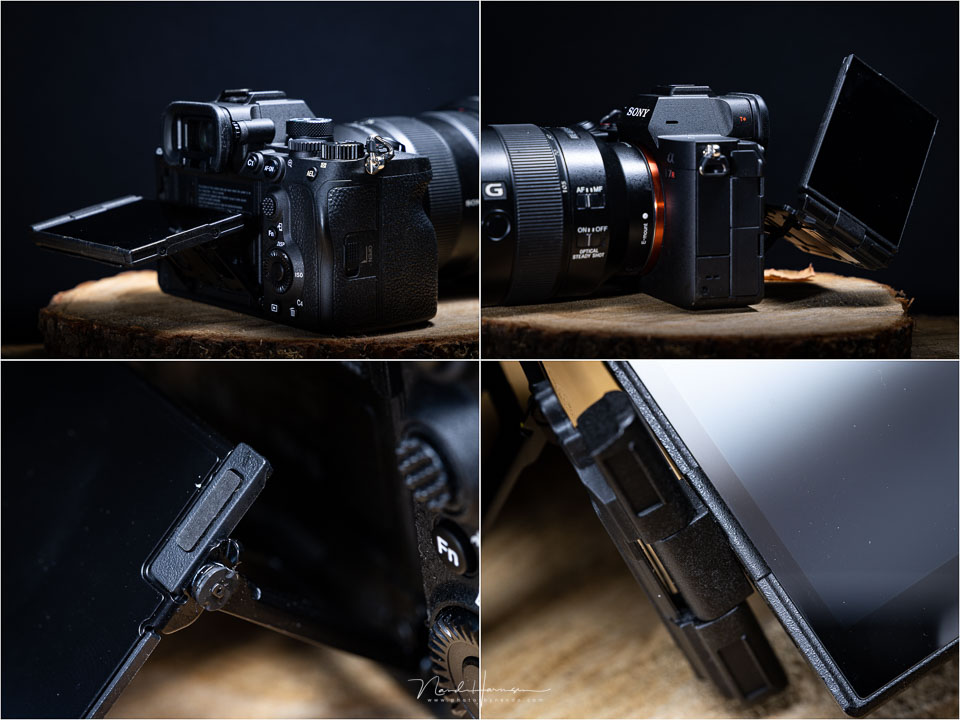
The biggest difference compared with all the other Sony Alpha models is the LCD screen. It is no longer just a tilting screen, it can also be folded out. This gives Sony the most functional screen you can find. Something other manufacturers might be jealous of.
The menu
Naturally, the Sony A7R V has received the new menu. That was inevitable, of course. It has become much easier to find and change the camera settings. That is also necessary, because the number of setting options has increased considerably with the new AI AF system.
Even so, Sony's menu is not always logical, an issue that is well known and no longer surprising. It is a shame that this has not been improved. Sometimes you simply need a manual, or help, to find a function or understand what it does.
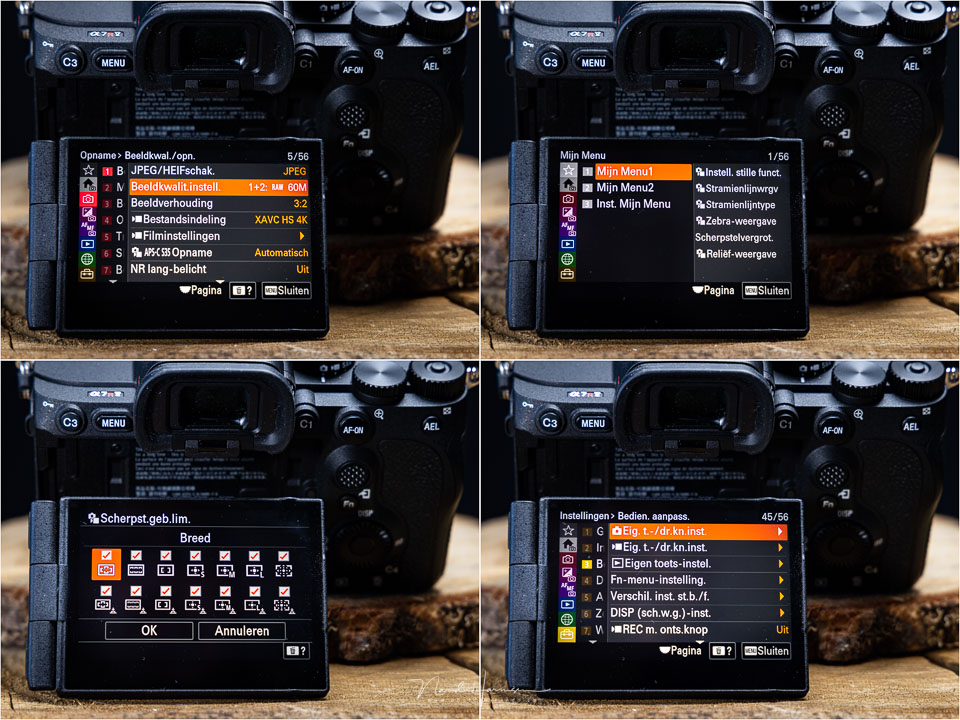
You can activate a help function for every menu option, giving you a description of that particular function. Unfortunately, this description is very brief, so it does not tell you much. There is plenty of room to provide more explanation, but Sony does not make use of it.
The autofocus capabilities
The autofocus system of the Sony A7R V has been greatly improved compared with its predecessor. Sony says that subjects are recognised up to 60% better, made possible by the processing power of the new processor.

The system has also been expanded so that it recognises not only people and birds, but many more types of animals and insects, as well as cars, trains and aeroplanes. Strangely enough, you can choose animals and birds separately, but you can also select a combination of the two.
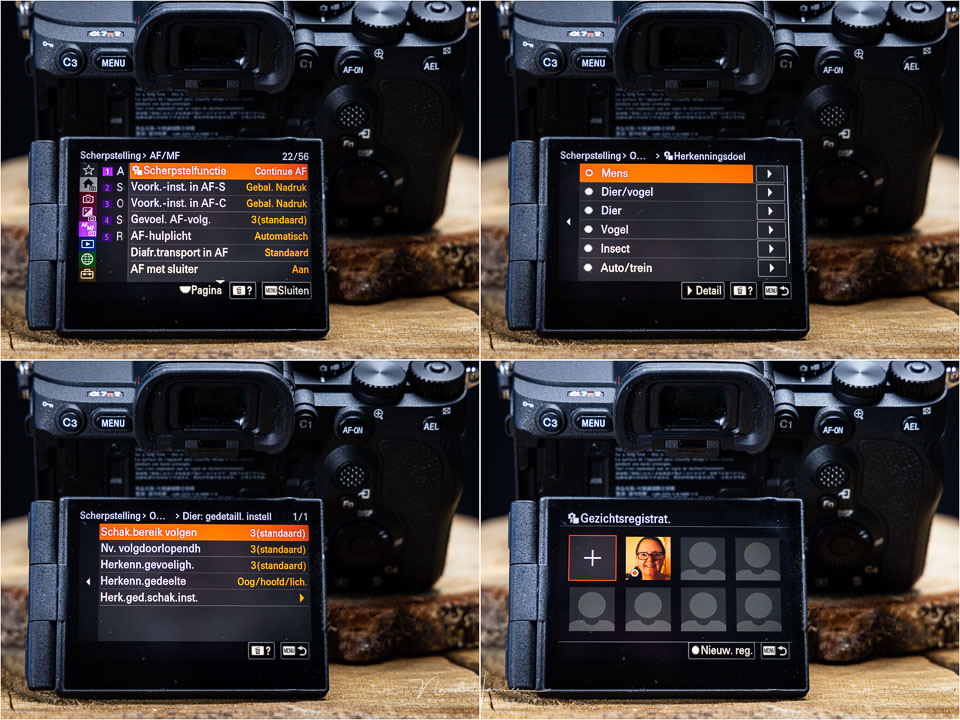
Each AF recognition mode has received a number of setting options, including the distance a subject may be from a focus point before it is selected, how quickly it switches to another subject, and how sensitive the system is. You can also choose which options you want to use, eye, head and body, all of them, only eye and head, or eyes only.
There are so many options that finding the best possible settings can be very complex and time-consuming. You could devote an entire study to it.
Autofocus in practice
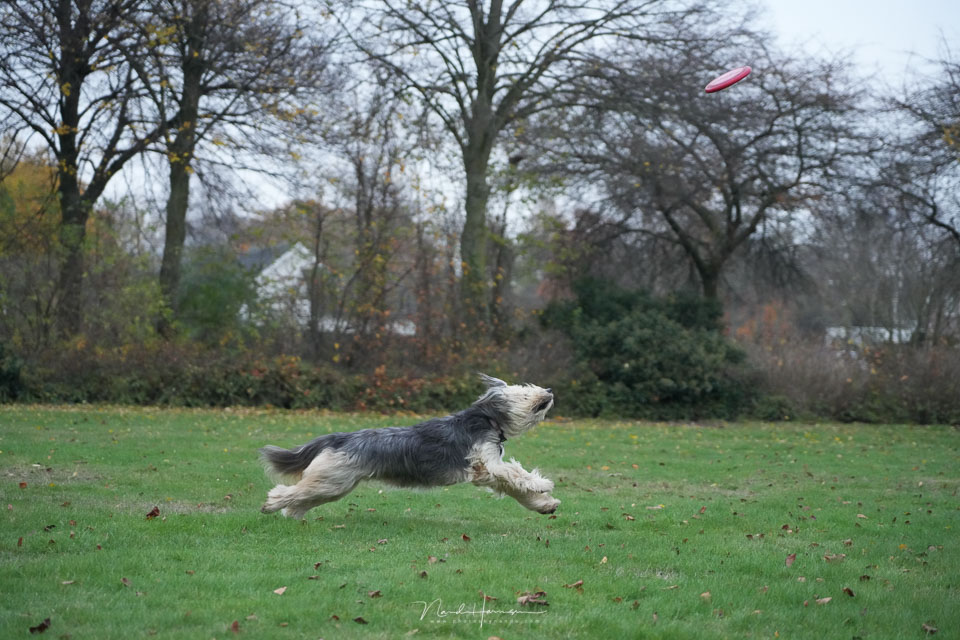
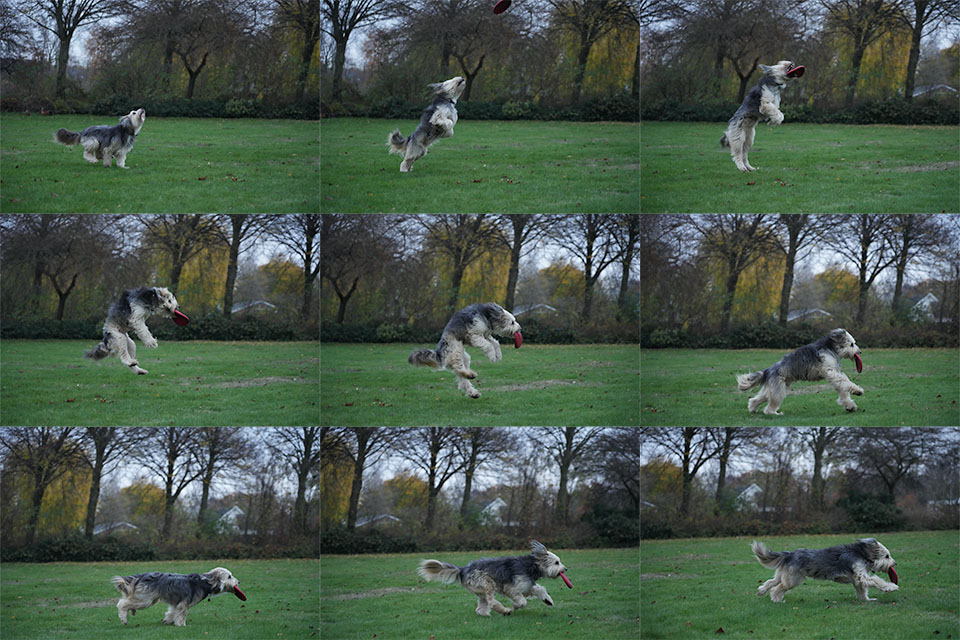
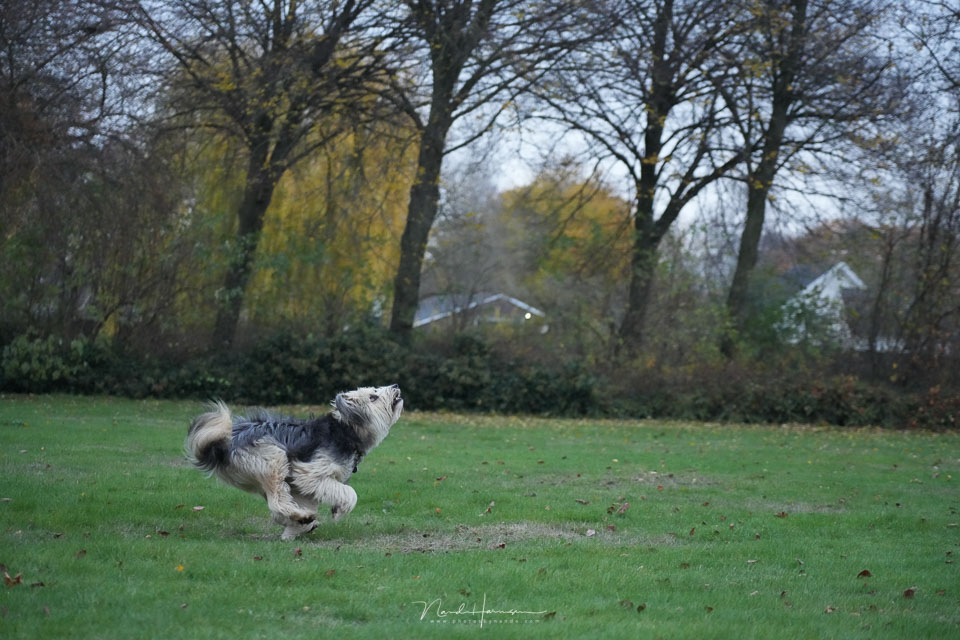
The autofocus works incredibly quickly and accurately. It finds the eye of a dog or person without much trouble. With birds too, the camera quickly picks out the correct focus point. It does not work flawlessly, despite the improved AI AF capabilities.
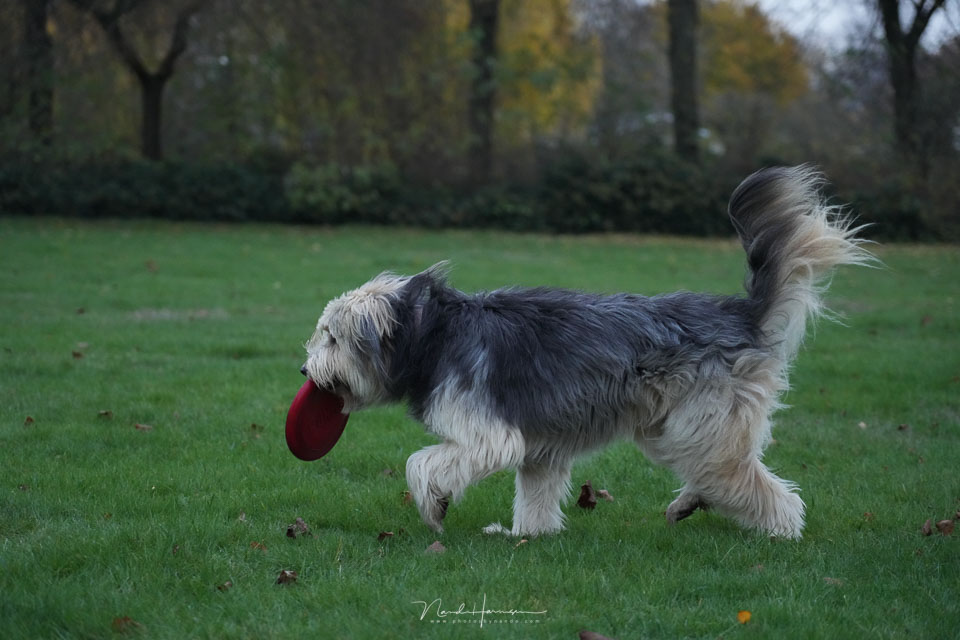
With fast action, the autofocus can still miss occasionally. Despite animal AF being selected, the camera sometimes preferred people. The camera can struggle to correct itself when the person moves out of the frame and only the animal remains visible.
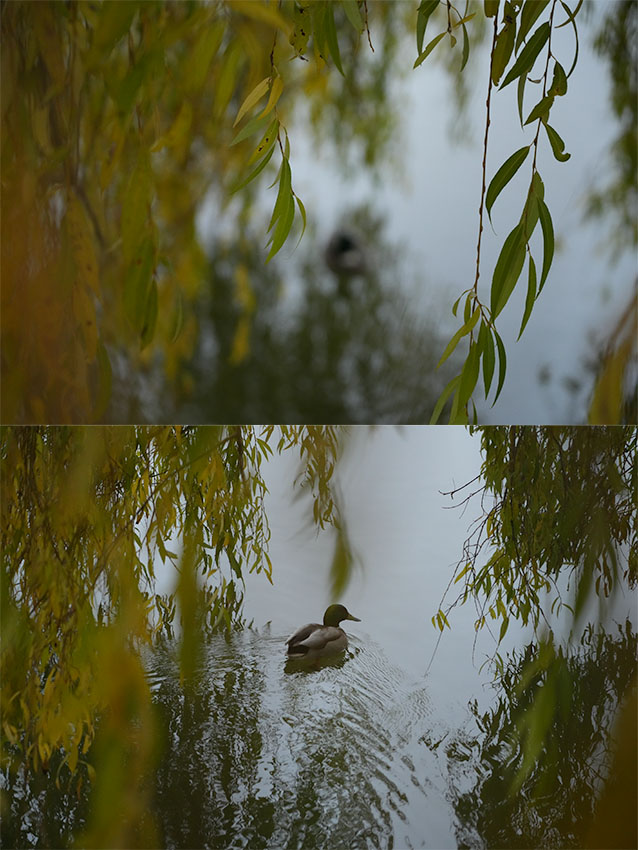
A Mallard among the branches also proved difficult for the AI AF. The autofocus continued to recognise the branches as the subject. Naturally, this is a very difficult situation for any camera. Changing the AF settings might improve things.
The longer you work with the camera, the better you can judge how the AF should be set. Do bear in mind that you are then setting everything for a very specific situation, which may work less well in the next situation.
Although the electronic viewfinder has an enormous resolution and a very realistic display, its resolution becomes considerably lower while focusing. This is not a problem when focusing once, but with continuous focusing the benefit of the high resolution is limited.
Frame rate
It is worth remembering that the Sony A7R V is not a speed demon. The maximum frame rate is 10 frames per second, provided you use the right settings. You need to use the mechanical shutter and JPEG or lossy compressed raw. If you switch to better image quality, the speed drops to a maximum of 7 frames per second.
With many mirrorless cameras, the frame rate is higher when using an electronic shutter. This is not the case with the Sony A7R V. With JPEG or lossy compressed raw, the camera manages 8 frames per second, or 5 with the higher-quality raw images.
It is not advisable to shoot action with an electronic shutter at the highest speed. Not only do you get a lower frame rate, the rolling shutter effect is also considerable. You do not have this problem with the mechanical shutter, and you also get a higher frame rate.
ISO performance and dynamic range
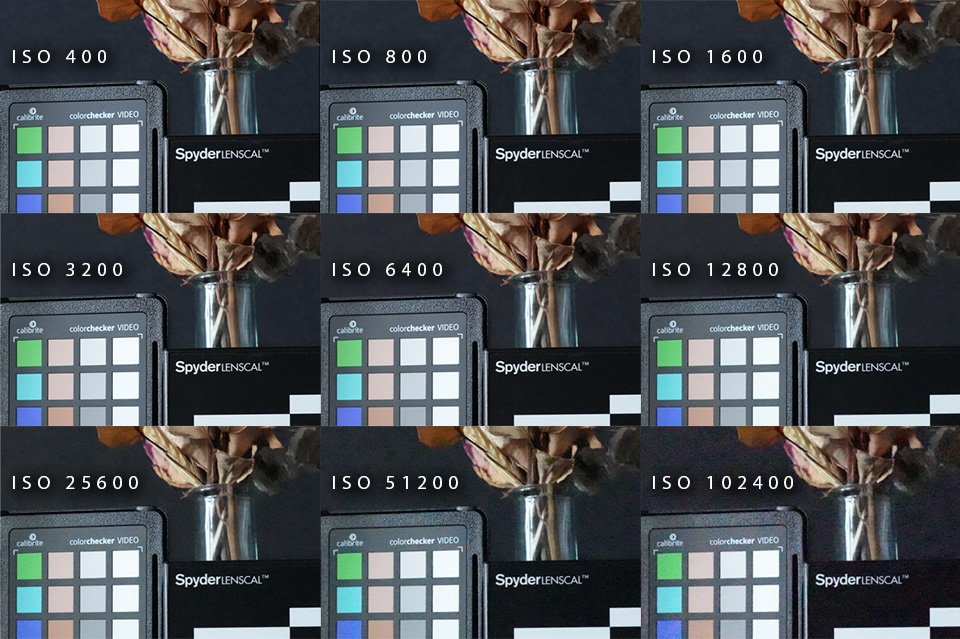
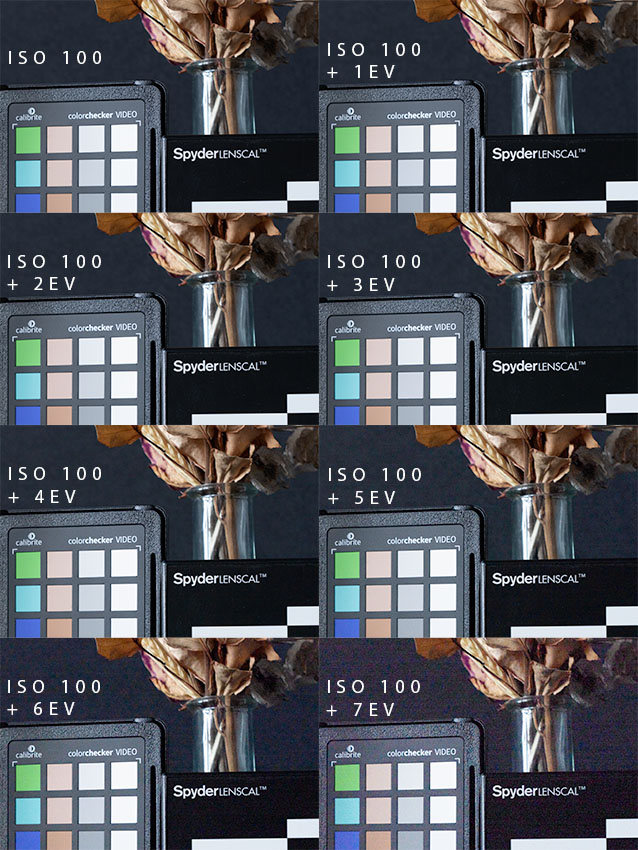
Sony specifies a dynamic range of 15 stops. This means that in most situations you should not have any problems with blown highlights or blocked-up shadows.
Expose for the brightest areas (Exposure to the Right) and lift the dark areas. Although you can do this largely without penalty, an exposure bracket still gives the best quality.
Other capabilities
The camera has a number of built-in functions that can make it easier to use. Like other models, it has super-resolution modes. Using pixel shift, you can choose to take four or sixteen photographs. Combining them produces a higher resolution.

Focus bracketing is now also possible, or focus stacking. The camera can automatically shift the focus point using up to 299 photographs. These photographs can then be combined into a photograph with an extremely large depth of field.
It is important to mention that although both focus bracketing and pixel shift multi shooting are possible in the camera, the images must be combined on the computer.
It is finally possible to use a bulb timer. This allows you to programme the shutter speed so that you are not limited to 30 seconds. You no longer need to use a cable release or remote control.
The Sony A7R V has a few other capabilities, such as high-speed USB-C power delivery, extra-fast Wi-Fi transfer speeds and full touchscreen functionality.
In practice
After several weeks, I can say that the camera is very pleasant to use. The body fits reasonably well in the hand and the buttons have a good response: you can clearly feel when they are pressed. I am still not very impressed with the menu layout. Although it is a major improvement over the old menu, there is still plenty of room for improvement.

Setting up the autofocus is particularly complex, and the number of ways to customise it is overwhelming. This is not something you can do quickly, and it can take quite a lot of time and energy.
Although the AF is fast and accurate, I do not really feel that the AI addition makes the autofocus noticeably faster or more accurate. I would have to use the A7R V and A7R IV side by side to see it.
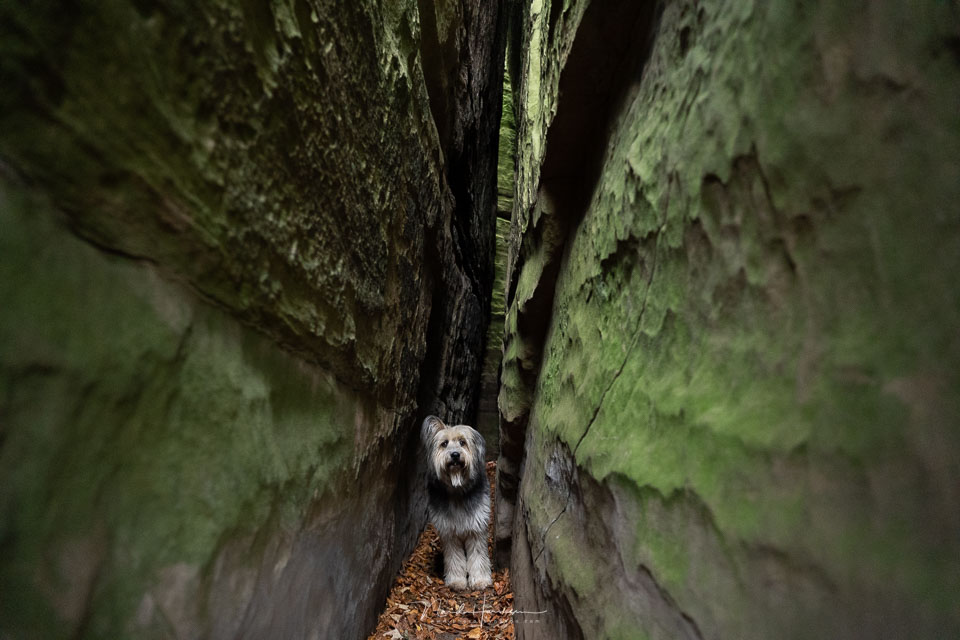
It is mainly the small things that make the camera more pleasant to use. The body size, the bulb timer and focus stacking are all useful features that make it nicer to use. But the LCD screen is especially fantastic. Well done, Sony.
Conclusion
The Sony A7R V is a fantastic camera. It is certainly not perfect, but it comes fairly close. That is not such good news for the Sony A1. I have the impression that the Sony A7R V outperforms this camera in many areas. With the Sony A7R V, you therefore get more camera for more than 1000 euros less.
What works well
- AF has been expanded to recognise more objects
- Many options for customising AF
- The tilting screen is fantastic
- Choice between SD or CFexpress Type A cards
- Neat covers for the connections
- Full-size HDMI port
- The camera is no longer 'too small'
- Automatic focus stacking
- Pixel shift multi-shooting
- Built-in bulb timer
- Good dynamic range
- Good ISO performance
- High-resolution electronic viewfinder
What works less well
- The menu is still not always very logical or clear
- Setting up AF is particularly complex because there are too many options
- No in-camera super-resolution image combining
- Frame rate is very limited, especially with the electronic shutter
- Strong rolling shutter effect with the electronic shutter
- Charging via USB gives no indication when the camera is fully charged.
- Camera customisation is becoming too extensive
- The viewfinder switches to a much lower resolution while focusing
Upgrade or not?
The Sony A7R V has not changed in terms of resolution compared with its predecessor. If you are looking for more pixels, there is no need to upgrade. The images from this fifth version of the A7R series will not be better.
The camera is faster and improved in many areas, however. The AF is faster, more extensive and better suited to a wide range of different subjects. The camera body has a better design and fits the hand better.
There is the new menu, which is certainly an improvement. The LCD screen is fantastic in terms of its flexibility and movement. Are these the things you are looking for? Then an upgrade is definitely worthwhile. If they are merely nice to have, the Sony A7R IV will still be sufficient.
In short, you have to decide for yourself whether the hardware and software updates offer enough value for you. Based on that, you can make a well-considered choice.
About the author
Nando Harmsen has been photographing for more than 40 years. He specialises in wedding photography and landscape photography. Nando also gives talks, workshops, masterclasses and photo trips, and regularly reviews new and interesting equipment.
You might also like
-
 Review: Sony A1 mirrorless camera
by Nando Harmsen
-
 Review: Sony A9 mark III
by Nando Harmsen
-
 Review: Sony A7C II and A7C R
by Nando Harmsen
-
 Review: Canon EOS R7
by Nando Harmsen
-
 Review: Sony A6700 APS-C mirrorless camera
by Nando Harmsen
-
 Review: Sony A7 IV
by Nando Harmsen
2 comments
-
 jos wrote on Tuesday 3 January 2023 at 14:34 | reply
Good day, If you compare this with the a9ii . What is your opinion then. Especially for bird photography.
Translated from Dutch.
Thanks in advance Jos -

 Nando
wrote on Wednesday 4 January 2023 at 10:26
| reply
Nando
wrote on Wednesday 4 January 2023 at 10:26
| reply
@Jos,
Translated from Dutch.
A difficult question. As far as AF is concerned, I think the A7R V would be a good choice. If frame rate is an important factor, without a doubt the A9 II. With a maximum of 8 to 10 frames per second, the A7R V is a slow camera.
Have your say
Please note: Articles older than a week can only be commented on by signed-in visitors.Would you still like to comment? sign in or create a free account.
Become a better photographer every week
A practical photography tip in your inbox every week.
39,090 photography enthusiasts already receive the tips! More about the weekly mail. Or keep up to date via  Facebook.

Elja Trum
Photofacts; everything to do with photography!
Would you like to take better photos and keep up with what is happening in photography? Photofacts publishes articles that teach you something about photography — from a product announcement to a practical shooting tip or a look at a website. Photofacts covers photography every day and is a hobby project of Elja Trum's that got out of hand. The articles are written by a team of volunteer authors. If you would enjoy writing one or more articles for Photofacts, do get in touch.More about PhotofactsPhotofacts is made possible in part by
