

17 tips voor perfecte timing bij actiefotografie
Wednesday 12 December 2018, 15:21 by Michelle Peeters | 27,388 views | 28 commentsThis article was translated from Dutch with the help of AI. Read the original.
What makes you a good action photographer? A huge telephoto lens plus a camera that can capture ten frames per second? No, a good action photographer mainly has a feel for 'the moment'.
They anticipate, get the most out of their equipment, prepare thoroughly and react incredibly quickly.
Fortunately, you can learn all of this. In this article, seventeen tips to increase your chances of success!
Action photography is a broad term. Basically, anything that moves is 'action'. Athletes, playing children, your dog chasing a ball and shoppers. The subjects vary greatly, but the technique for capturing them is actually always the same.
1. Shutter speed
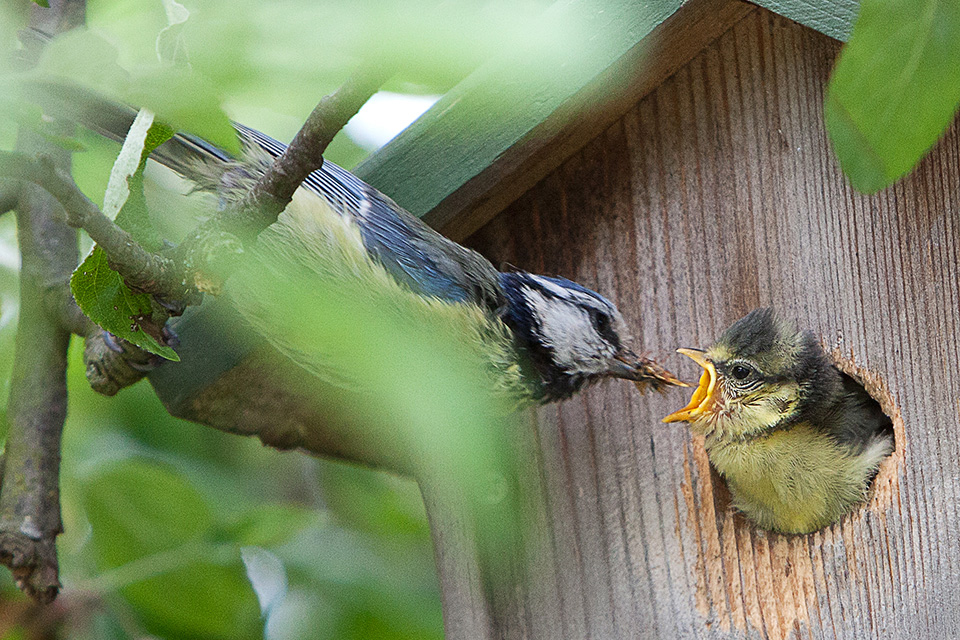
With a very fast shutter speed, you can capture moving subjects in different ways. This makes your subject appear frozen, or razor-sharp. If you choose a slow shutter speed, parts of your photo may become blurred.
However, it is important to set the shutter speed based on the speed of your subject. Capturing the movement of a racing car requires a faster shutter speed than capturing someone walking past.
Both fast and slow shutter speeds can produce beautiful results. It is up to you to decide what works best in a specific situation and where the boundary lies between dynamic movement and distracting blur.
Fast shutter speeds generally mean 1/500th of a second or faster. Canon EOS cameras can often reach a shutter speed of 1/4000s or even 1/8000th of a second.
2. Overall sharpness
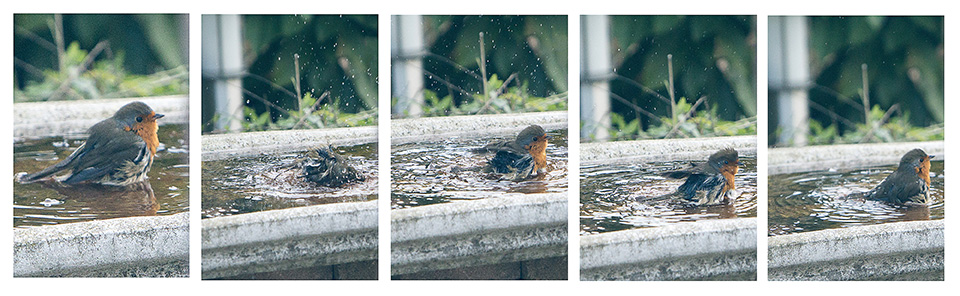
Overall sharpness in a frozen image is often preferred. By freezing the movement, you can capture the emotion on a tennis player's face, for example. This conveys a very different message from a shot with motion blur across the tennis court. Both options can be equally powerful.
But overall sharpness is often not achievable. Sometimes your subject moves too quickly, for example, and you are forced to increase your ISO values or use shutter speeds that are slower than you would really like.
3. Flash
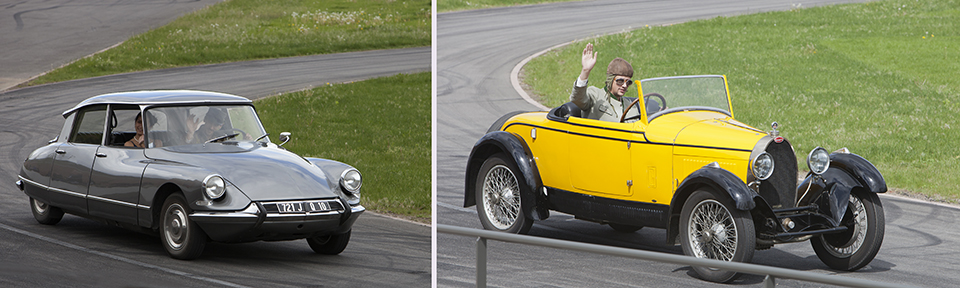
Using flash is an option, but you are often too far away from your moving subject to benefit from your flash. You also quickly get 'flat' images if you do not use flash subtly. And flash is forbidden or 'not done' at many sporting events. But it can be a way to freeze movement.
4. Fast lens
Fast lenses are useful for action photography. They give you a bright viewfinder image, allow faster shutter speeds and generally focus more quickly. Professional sports photographers practically always use fast lenses.
The ideal action lens differs depending on the type of action and the location. For much sports photography, a telephoto zoom lens between 70 and 200 millimetres is the most practical choice, while at concerts or for street photography it can be awkward because of its length.
Personally, I find it useful to zoom in a lot at a sporting event. It gives you much more time to frame and focus calmly than when, for example, the runner has already approached to within a few metres of you. At that point, it is very difficult to take sharp, blur-free photos.
For street photography and concert photography in low light, the old-fashioned, very fast and often surprisingly cheap prime wide-angle lens is a more interesting option. A very fast 50 mm f/1.8 ('plastic fantastic') standard lens is even a bargain.
In daylight with sufficient light, in situations where you can get close to your subject, a standard zoom lens covering between 24 and 200 mm is often perfectly adequate.
5. Camera body
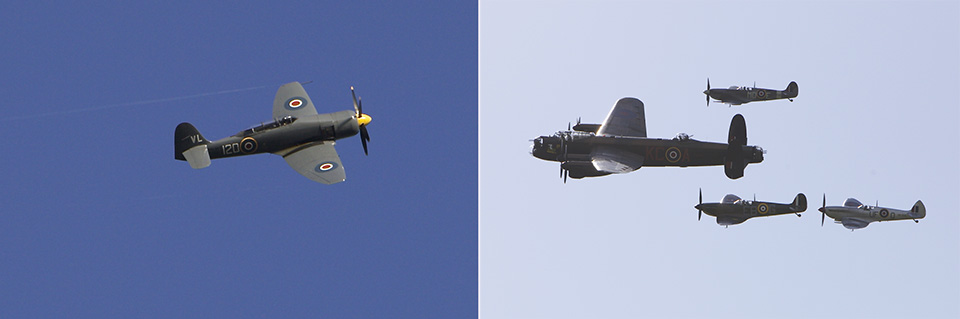
As far as your camera body is concerned, a DSLR that handles higher ISO values well, with little noise, is a bonus for all forms of action photography. The ability to increase the ISO without losing quality compensates for a less fast lens.
For sports and nature photography, a camera that can shoot many frames per second and has a large memory buffer is a major advantage.
6. Camera settings
The right camera settings can also improve your results. The ISO value has already been mentioned above. Modern cameras can often handle very high ISO values without noise appearing immediately.
Still, it is better not to use the highest ISO values. Although the results often look reasonable on your LCD screen, you will find on your computer that the quality is still below par.
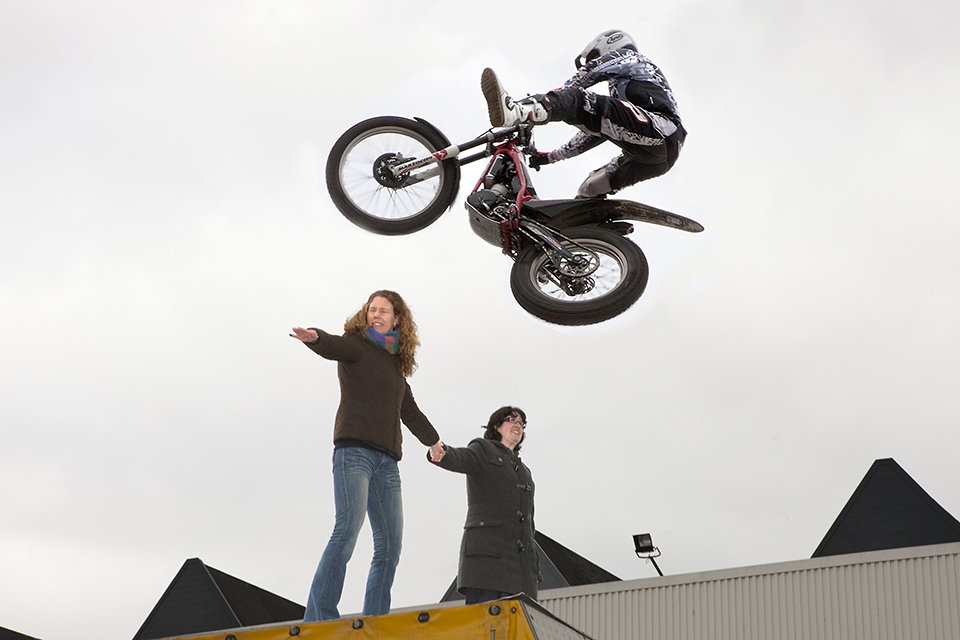
7. Wide aperture
For action photography, choosing an aperture is simple: use the widest aperture your lens has, which means the lowest aperture value.
Do bear in mind that a wide aperture results in a shallow depth of field. Because you have so little room for error, it is important to focus accurately throughout the action.
8. Continuous AF
You increase your chances of getting successful photos by choosing 'Continuous AF'. In this mode, the autofocus keeps focusing on your subject. For the best results, use the central focus point, which is the most sensitive point.
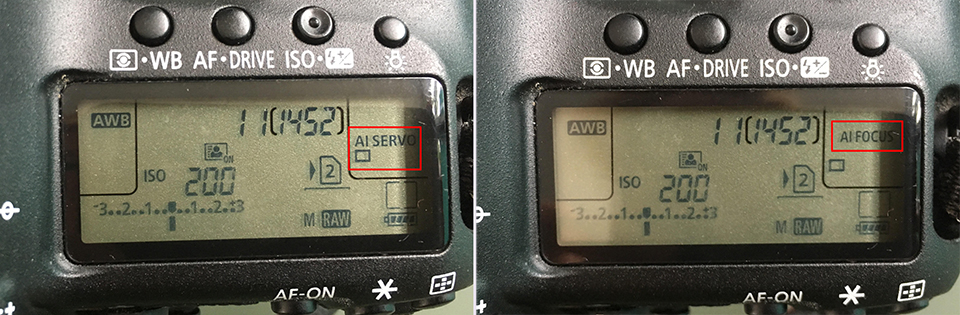
AI Servo and AI Focus on Canon cameras for continuous focusing
9. Continuous
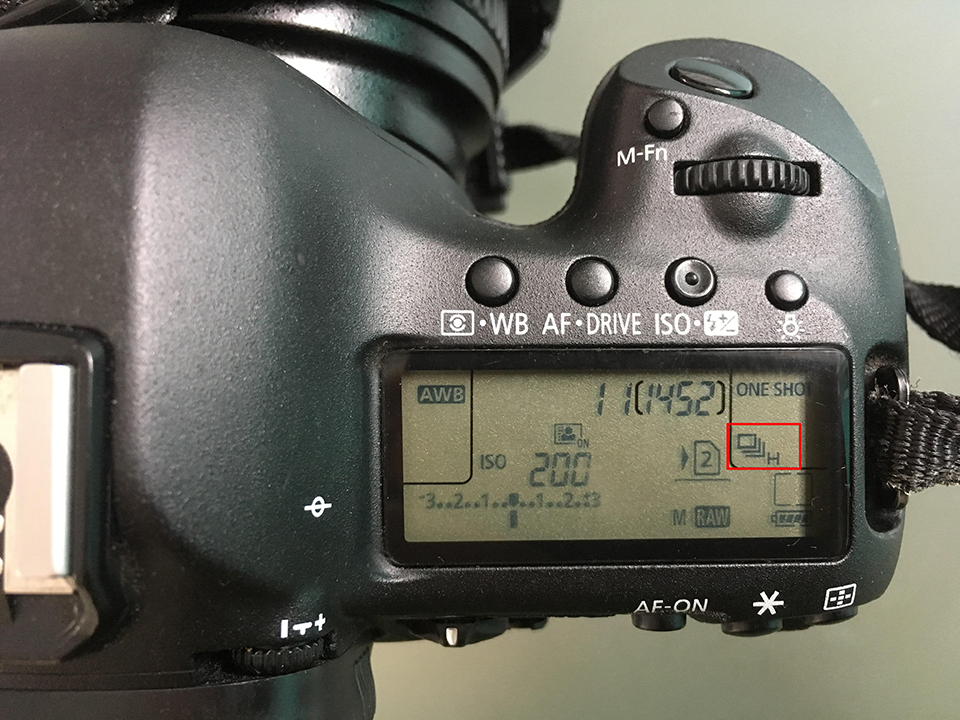
Set the drive mode to Continuous to take a series of photos quickly while the shutter button is pressed. Use memory cards with a high speed class and a large capacity so that the camera can take more shots in a burst.
This gives you a much better chance of having a few perfect shots in the series.
10. Image stabilisation
One final relevant setting is image stabilisation. Does your camera or lens have stabilisation? Then always use it, except when using the so-called 'panning' technique.
Image stabilisation only compensates for camera movement, not movement by the subject, but it can still make the difference between a blurred and a sharp image.
Don't have stabilisation? Consider using a monopod to compensate for vertical movements.
11. Technique
Good equipment is naturally an advantage, but the photographer's technique and preparation are decisive. Practise different techniques and you can take very good action photos even with less advanced equipment.
12. Anticipation
Anticipation is the most important rule. Think beforehand about which photos you want to take. For example, by looking at the work of other photographers on the internet or in magazines.
Once you know which photo or type of photos you want to take, look for the smartest way to achieve your goal.
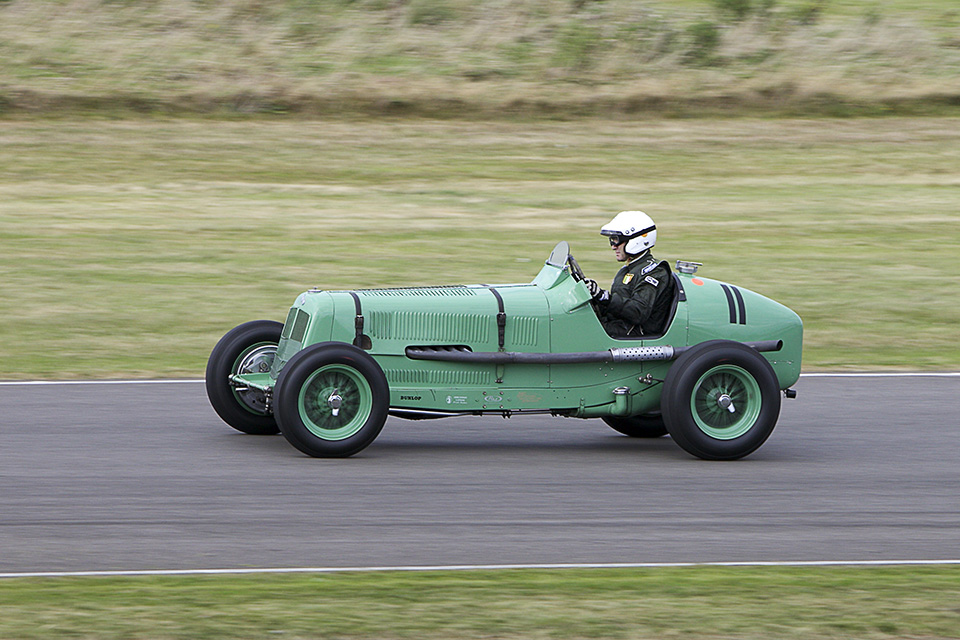
Do you want to capture a rally car razor-sharp? Visit an event where you can get close to the track and find a spot where the cars have to slow down, increasing your chances of sharp images.
Bring dynamism into the frame by standing near a bend with a deep puddle, for example, so that you can capture the cars in a cloud of water droplets.
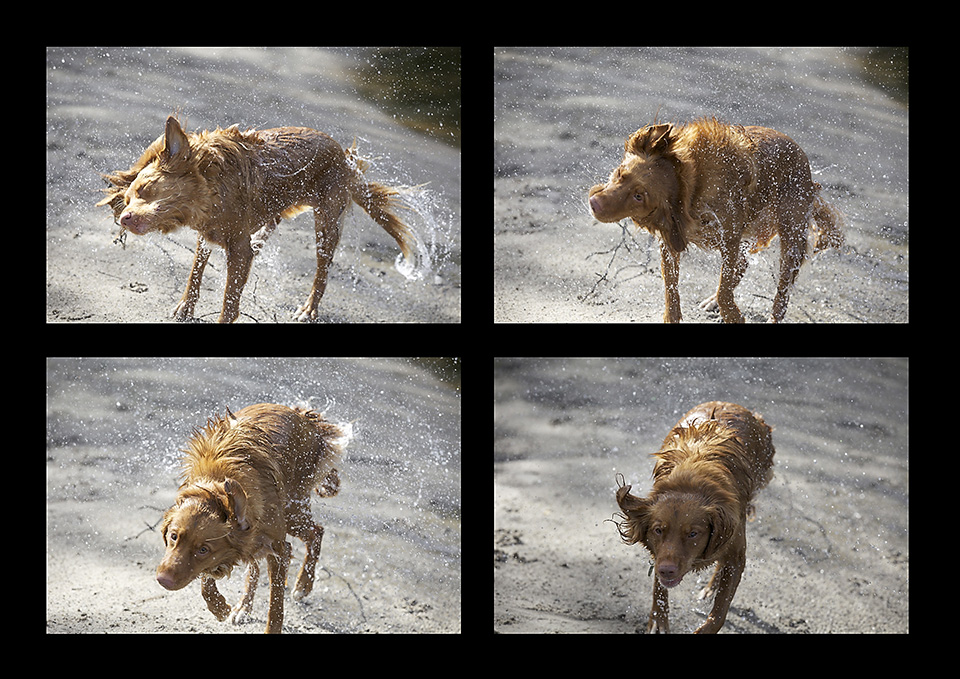
If you want to capture a playing dog, don't wait for the animal to take the initiative in a random location. Instead, find a bright spot in the house and ask someone to tease the dog with a ball or toy. You can then concentrate on photographing from creative angles.
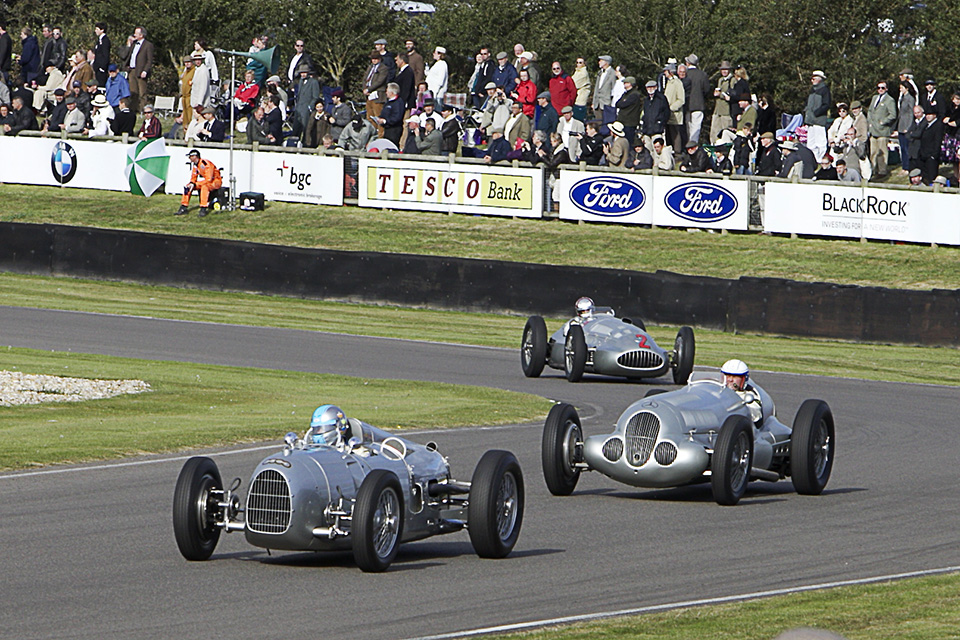
Useful to know: certain moments are usually repeated on stage during a concert, which means you can anticipate what is coming. So try to pick up the rhythm of the show and capture the highlights.
During an event, don't just look through the viewfinder. Also pay attention to what is happening around you. By observing, you learn a lot about your subject and eventually know better what to expect.
Once you can anticipate and know when to press the shutter, capturing the best moments becomes second nature.
Reacting to spontaneous situations can be great fun, but gives you very little photographic control. Often you end up just missing the moment. By deciding in advance where the action will take place and using as many variables as possible to your advantage, your results will improve dramatically.
13. Panning
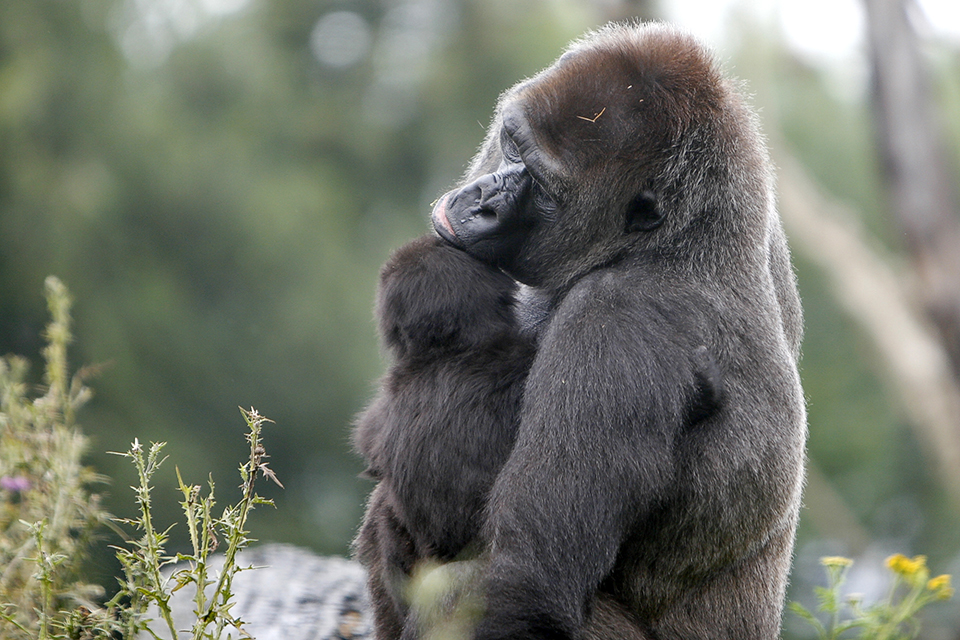
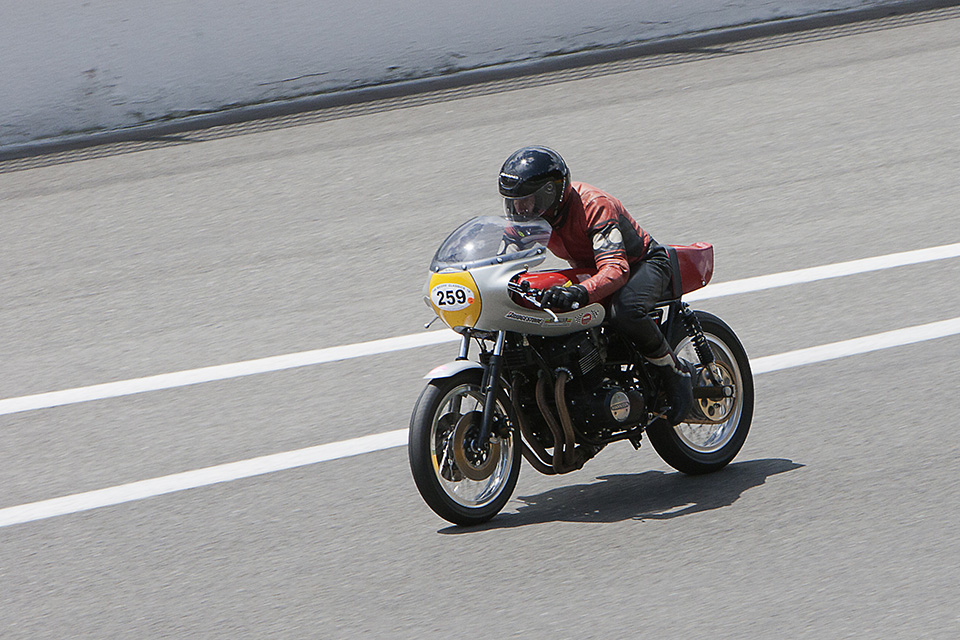
Is your subject still moving too quickly? Consider a creative approach and show that speed in the photo. You can capture a passing peloton of cyclists or people on a roller coaster sharply while the background becomes blurred. The technique you use for this is called 'panning' and is easy to learn.
Focus on your subject from a distance with continuous autofocus, and keep following the subject as it moves past you.
As soon as the subject is at a 90-degree angle to your camera, press the shutter. Keep panning and, if necessary, take a series of photos with the camera in continuous mode ('highspeed').
With a little practice, you will soon get attractive results. Try this technique with flash too!
14. Timing
Can't you freeze your subject with anticipation, panning or fill flash? Then the only option left is an all-or-nothing approach. Keep your subject in your sights and press the shutter as soon as the speed or movement decreases slightly.
You often have to rely on this technique during busy concerts in dark venues.
At ballet performances, you can use the 'jump moment' of a dancer and press the shutter when they reach the highest point. The dancer is then briefly still in the air.
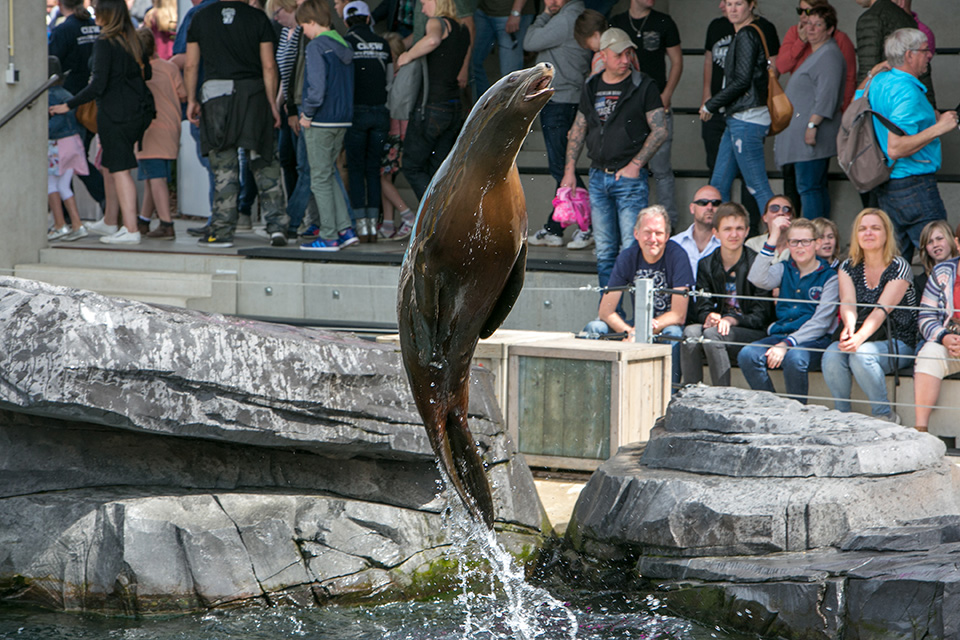
Use your fast lens, your widest aperture and an ISO of 800 or higher. Find support against a fence or a pillar and choose a spot from which you can see the action clearly. Above all, take lots of photos!
In poor lighting conditions, continuous shooting is not effective because your camera has too much trouble focusing. So decide for yourself when the right moments are, for example when the singer is lit, focus manually if necessary and press the shutter selectively.
Use blur deliberately when razor-sharp, frozen photos are not an option. Just take some blurred photos for a change. They can be very beautiful too. If you apply the technique correctly, it can look very artistic.
Try to move with the action rather than against it. Moving with it gives your photos a more natural appearance.
Action photography is about reacting in a 'split second'. You need to have fast equipment, but you also need to be able to react quickly yourself. Make sure your equipment is at least in order and that your batteries are charged.
15. Composition
You can also suggest dynamism with your compositions. Most people find sloping compositions more exciting and dynamic than perfectly straight horizontal images. Also try placing your subject somewhere other than prominently in the centre of the frame.
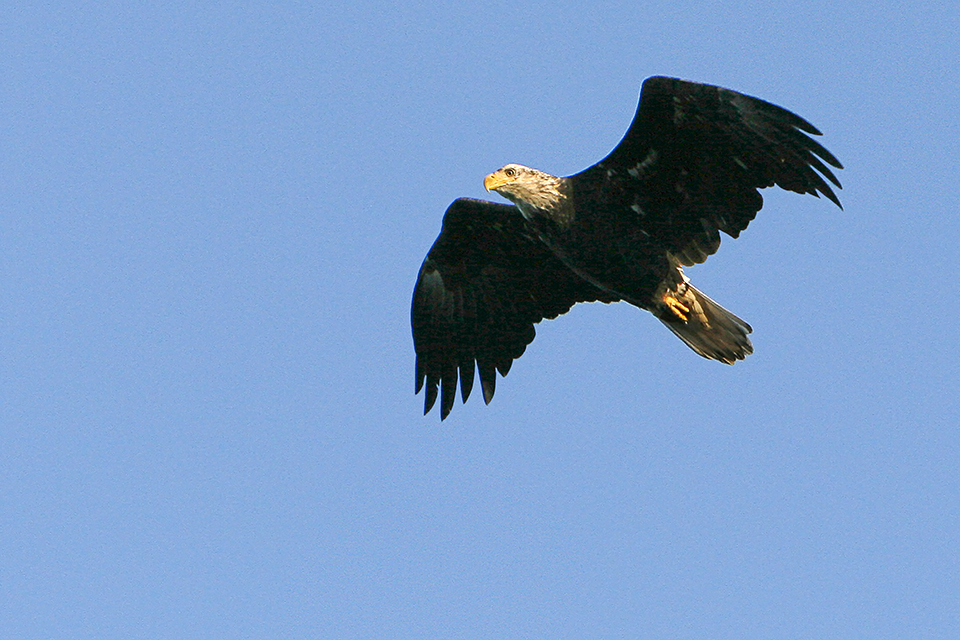
So don't photograph a flying bird with its beak against the left side of your photo. Give it some space to fly into. Also strengthen your street photos with creative compositions and depth of field. Include a story in your photos instead of photographing a flat image of people.
Use reflections in shop windows or puddles to draw attention to your subject. Concentrate on details and capture them. Focus on a sleeping homeless person and photograph the passing shoppers as a blurred, faceless and anonymous row of silhouettes.
16. Be prepared
If you know what photos you want to take and you have set up your equipment properly, you are ready for the action. Always leave your camera switched on and keep it within reach. You are always too late if you first have to find your camera and then switch it on when a spontaneous moment of action occurs.
Force yourself to check your camera settings regularly and change them when the lighting conditions change. When you are busy taking photos, it is very easy to forget this.
17. Don't look back!
And finally: don't look back at your photos while you are shooting. You will often miss another great moment that way.
Your tips?
Do you have any more good tips for perfectly timed photos?
Let us know in the comments!
Action and/or sports photography course?
If you want to learn more about action photography, our sports photography course on Photofacts Academy might be just right for you.
» Go straight to the Sports Photography course
The course is taught by professional photographer Nico Delmeire. Nico has more than 12 years of experience as a sports photographer and during that time has been allowed to photograph several major competitions and finals, both nationally and internationally.
Dit artikel is voor het laatst bijgewerkt op 12 december 2018.
De eerste publicatiedatum is maandag 3 juli 2017, 10:20.
About the author
Michelle Peeters is fotografe en oprichter van DeuxBleus Fotografie. Michelle herkent het bijzondere in het gewone en het gewone in het bijzondere. Ze heeft zich nooit willen specialiseren en is daardoor van alle markten thuis.
You might also like
-
 Combine star trails in Photoshop with an action
by Nando Harmsen
-
 Make your own well-timed action sports photo
by Huub Keulers
-
 My settings for action photography
by Nando Harmsen
-
 The basic settings for action photography
by Nando Harmsen
-
 17 Bird Photography Tips from Wilfried Solarz
by Michelle Peeters
-
 17 Lightroom tips for editing architecture photos
by Michelle Peeters
28 comments
-

 Mabel Amber
wrote on Tuesday 4 July 2017 at 12:16
| reply
I’m pointing out a little mistake in "tracking' or 'planning' " - it should be "panning".
Translated from Dutch.
https://en.wikipedia.org/wiki/Panning_(camera) -
 Michelle Peeters wrote on Tuesday 4 July 2017 at 12:17
| reply
Thank you Mabel, very observant! I've adjusted it.
Translated from Dutch. -
Mabel Amber
wrote on Tuesday 4 July 2017 at 12:23
| reply
Hi Michelle - OK!
Translated from Dutch.
Useful article by the way. -
 Jaap wrote on Tuesday 4 July 2017 at 13:11 | reply
Enjoyed reading the article. I’m going to try it out. Thanks
Translated from Dutch. -
Michelle Peeters wrote on Tuesday 4 July 2017 at 13:13
| reply
@Jaap: nice and good luck! And if you happen to discover more tips (while trying it out perhaps), just let us know!
Translated from Dutch. -
 GJ Venhuis wrote on Tuesday 4 July 2017 at 13:24 | reply
Nice and clear article, although in this context I would place points 12, 16 and 14 much higher in the list (at 1, 2 and 3?).
Translated from Dutch. -
Michelle Peeters wrote on Tuesday 4 July 2017 at 13:27
| reply
@GJ Venhuis: my thought behind this was that if you first focus on the technique (making sure everything is set correctly), you can then focus on your skills (timing, anticipating, good preparation). You have to worry less about your camera settings then. You already have to think about so many things at once..
Translated from Dutch. -
 Arie wrote on Tuesday 4 July 2017 at 15:08 | reply
Practical advice and clear text! Much appreciated!
Translated from Dutch. -
 Fred Manschot wrote on Tuesday 4 July 2017 at 15:18 | reply
10. Image stabilization
Translated from Dutch.
A final relevant setting is image stabilization. Does your camera or lens have stabilization? Then always use it, except when doing so-called 'panning'.
In my opinion, this is not good advice.
Suppose you are taking photos of a football match. A fast shutter speed, the lowest possible ISO and your camera set to all-servo = a good basis.
You continuously follow the ball to capture that one (beautiful) moment of play. As a result, your camera moves, but obviously your lens does too.
If you have image stabilization turned on, there is a good chance you will still get blurry photos, because that lens keeps continuously correcting (horizontally and/or vertically) while you take a photo.
I don't know any better than that you should therefore turn off your image stabilization. -
 Rien wrote on Tuesday 4 July 2017 at 15:48 | reply
If you intentionally move your camera like in Fred's example, you turn off the IS and choose a shutter speed that freezes your subject to the extent that you as a photographer consider acceptable or desirable. That you then often have to use a higher ISO is just how it is. If your subject isn't moving but you as a photographer are because, for example, you're shooting with a fairly long telephoto lens that can't really be fast, turn on the IS and gain 3 stops of shutter speed (taking into account the shutter speed-focal length rule plus added crop factor)
Translated from Dutch. -
 Henny van der Heijden wrote on Tuesday 4 July 2017 at 15:54 | reply
Informative piece, nice to read. I’ll try panning sometime soon too.
Translated from Dutch.
Some tips that I always use myself for soccer, for example. Sit on the ground on the 16m line. Soccer players often look down, this perspective makes them look bigger, and you can follow a winning goal fairly easily. Minimum shutter speed 1/800, aperture wide open and ISO 200-400 (depending on the ambient light) and lots of practice at the moment the ball comes off a shoe. Second position is 5-6 m next to the goal.(Nikon 5300, Nikon 18-200 F3.5-5.6) -
 Evert wrote on Tuesday 4 July 2017 at 16:13 | reply
Great article that I’m definitely going to experiment with, I still have some difficulty with how to set it up and this does clarify things a bit more in my photography. I only have one question: I have a Nikon D7000 and it has an AF-C mode with different possibilities. if I set this to 3D then I don’t have to move along, but is it then wiser to set it to AF-A (automatic) so it focuses itself quickly? or is AF-C 3D more convenient where it does the same? without you having to move along with the camera?
Translated from Dutch. -
Michelle Peeters wrote on Tuesday 4 July 2017 at 16:14
| reply
@Fred and Rien: you only turn off image stabilization when your camera is on a tripod. Otherwise just turn it on! Shooting in AI Servo mode works best then. The camera will keep focusing on the moving subject.
Translated from Dutch. -
 Robert wrote on Tuesday 4 July 2017 at 16:21 | reply
It of course depends on what kind of action and subject you are shooting. And how your subject moves relative to your camera.
Translated from Dutch.
With for example Veronica's beach race, yes this was a while ago, I photographed fast motorcycles along the waterline with 300 mm and a slow shutter speed of 1/30 sec.
- Because the subject 'flew' from right to left or vice versa, I could nicely 'pan along'. The speed and blur, in the form of streaks, were mega.
You also regularly see this with the better photographers in Formula 1, and Le Mans cars. Often very beautiful and nicely colored. Nice piece Michelle.
With photo-shooting regards, Robert. -
Michelle Peeters wrote on Tuesday 4 July 2017 at 16:22
| reply
@Evert: many sports photographers use AI-servo mode (with Nikon I think that's AF-C). The camera then keeps focusing on the moving subject. With AI-Focus (with Nikon: AF-A) the camera switches between the fixed object mode (AF-S) and AF-C. So if the subject is stationary it switches to 'One shot' (AF-S) and as soon as the subject starts moving it switches to AI-servo or AF-C.
Translated from Dutch. -
Michelle Peeters wrote on Tuesday 4 July 2017 at 16:24
| reply
@Robert: yes, I’m also crazy about those 'panning shots'. It takes quite a bit of practice before you can do it well (you also have to completely finish your camera movement from left to right, even though you’ve already pressed the shutter), but the results are often very beautiful!
Translated from Dutch. -
 Wim Hendriks wrote on Tuesday 4 July 2017 at 17:06 | reply
I must be one of the old photographers, never set anything to auto, always focus manually...and we often did it from right to left...must be because of the curtain shutter era.
Translated from Dutch. -
Michelle Peeters wrote on Tuesday 4 July 2017 at 17:12
| reply
@Wim: if you pre-focus on a point where you expect the action to happen later, you can perfectly well focus manually! Sometimes that even works better than those continuous focus modes. I did it with marathon photos too: pre-focus on the tape the winner had to run through to cross the finish line. As soon as the runner goes through it, you press the shutter.
Translated from Dutch. -
Michelle Peeters wrote on Tuesday 4 July 2017 at 17:15
| reply
@Wim: By the way, I find focusing manually very difficult! Hard to see whether the image is really at its sharpest. So I always use autofocus, even when pre-focusing.
Translated from Dutch. -
 Ton wrote on Tuesday 4 July 2017 at 18:21 | reply
Nice tips, thanks
Translated from Dutch. -
 Eric de Kuijper wrote on Tuesday 4 July 2017 at 19:12 | reply
If you have a Nikon camera and you have fast-moving or unpredictable subjects, you can enable 3D tracking for that.
Translated from Dutch.
This feature is, at least on the higher-end cameras, still unrivalled.
It is also included on the cheaper models and will certainly add value there as well. Again, this also depends on the lens used. Where possible, f2.8 or faster is the advice. -
Michelle Peeters wrote on Tuesday 4 July 2017 at 20:16
| reply
@Eric: that 3d tracking focus from Nikon is indeed very interesting! I looked it up because I had never heard of it. Apparently this option makes sure that the position of the subject you are photographing is predicted. In this way it solves the problem of the short time span between pressing the shutter and the actual shot (because you can also get a blurry image again because your subject has already moved in the meantime).
Translated from Dutch. -
 Peggy wrote on Tuesday 4 July 2017 at 22:36 | reply
I really enjoyed reading the tips. Very useful tips for me. I will definitely try them out.
Translated from Dutch. -
 guest wrote on Wednesday 5 July 2017 at 12:18 | reply
what beautiful photos as examples. Would it be a lot of work next time to mention the aperture and shutter speed and ISO with the photo. I learn from that too.
Translated from Dutch. -
Michelle Peeters wrote on Wednesday 5 July 2017 at 12:38
| reply
@guest: I usually use an ISO value between 400 and 800 for action shots outdoors. And I often work with shutter speeds that aren't too fast, usually between 1/125th and 1/250th. Timing is often more important (especially with a jump, capture the moment when your subject is briefly still in the air). And for a panning shot, it's best to use a shutter speed between 1/60th and 1/125th. Focusing beforehand on a point where your subject will arrive later also works very well and then you don't need an extremely fast shutter speed either. But it may well be that this works differently for everyone!
Translated from Dutch. -
-
Michelle Peeters wrote on Thursday 6 July 2017 at 23:46
| reply
Good luck Evert! And if you discover more handy tricks, let us know!
Translated from Dutch. -
 Rita De Kock wrote on Friday 7 July 2017 at 21:17 | reply
it's a nice explanation , because in September we start a new lesson movement in nature. I think I can use that explanation well
Translated from Dutch.
Have your say
Please note: Articles older than a week can only be commented on by signed-in visitors.Would you still like to comment? sign in or create a free account.
Become a better photographer every week
A practical photography tip in your inbox every week.
38,764 photography enthusiasts already receive the tips! More about the weekly mail. Or keep up to date via  Facebook.

Elja Trum
Photofacts; everything to do with photography!
Would you like to take better photos and keep up with what is happening in photography? Photofacts publishes articles that teach you something about photography — from a product announcement to a practical shooting tip or a look at a website. Photofacts covers photography every day and is a hobby project of Elja Trum's that got out of hand. The articles are written by a team of volunteer authors. If you would enjoy writing one or more articles for Photofacts, do get in touch.More about PhotofactsPhotofacts is made possible in part by
