

Cropping is good, but don't overdo it with animal photos
Monday 12 May 2025, 16:16 by Nando Harmsen | 4,745 views | 5 commentsThis article was translated from Dutch with the help of AI. Read the original.
Cropping is good. It lets you create a beautiful composition that wasn't possible in the field. It allows you to put the finishing touches to the composition. But when it comes to animal photos, don't overdo it.
I often see enthusiastic wildlife photographers crop a photo heavily. This is often because they didn't have the desired focal length. Cropping gives you an enlarged view of the animal. There's nothing wrong with that.
Until the cropping becomes extreme. An animal digitally cropped so tightly that it's visible from nose or beak to tail. The edges of the photo are just barely avoided. That's a shame.
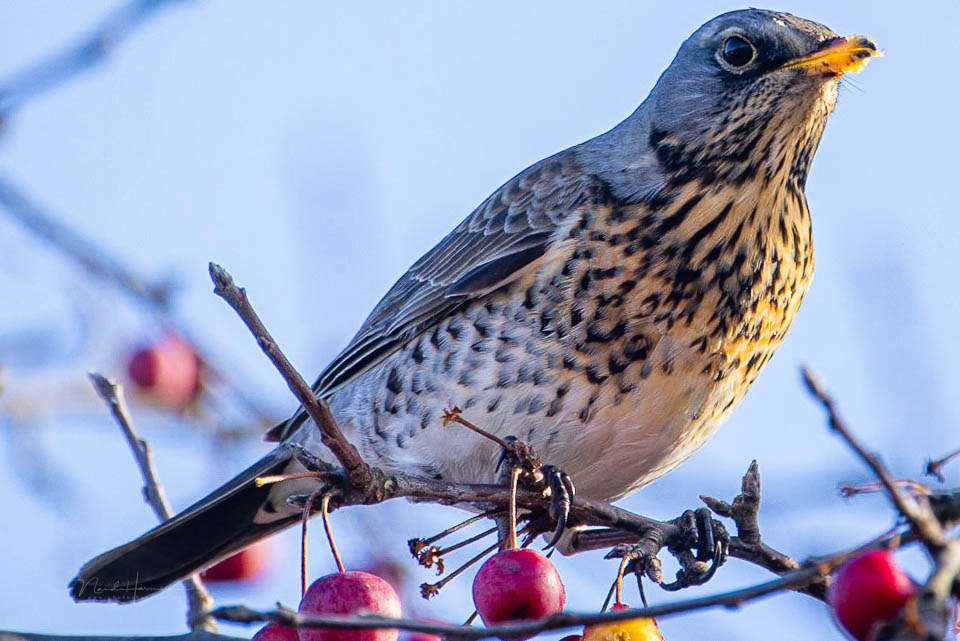
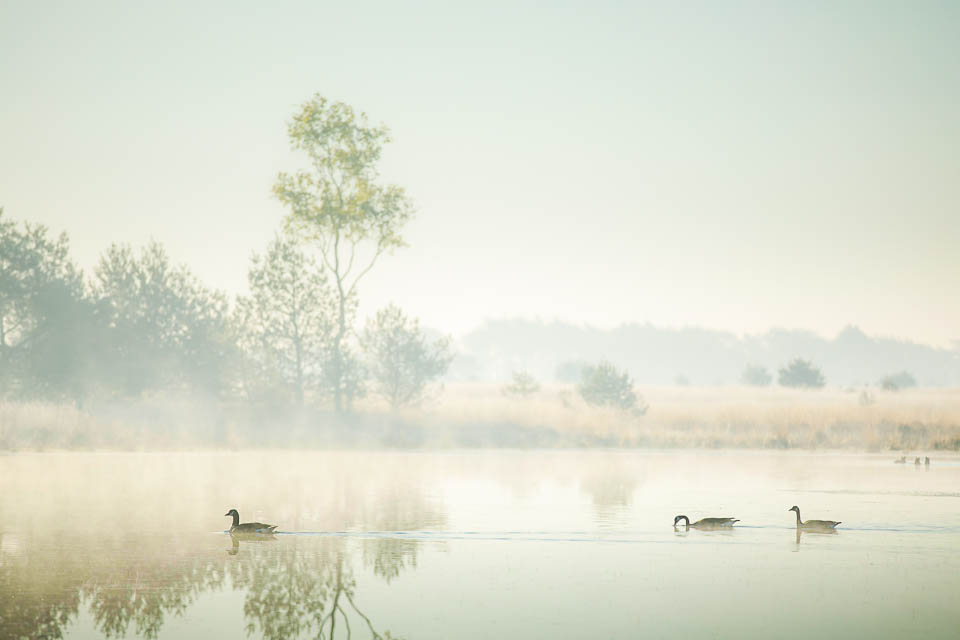
Of course, everyone has to decide for themselves, but I'm convinced that an animal needs room to breathe. There needs to be space to show the habitat, the surroundings. That gives you the opportunity to tell a story.
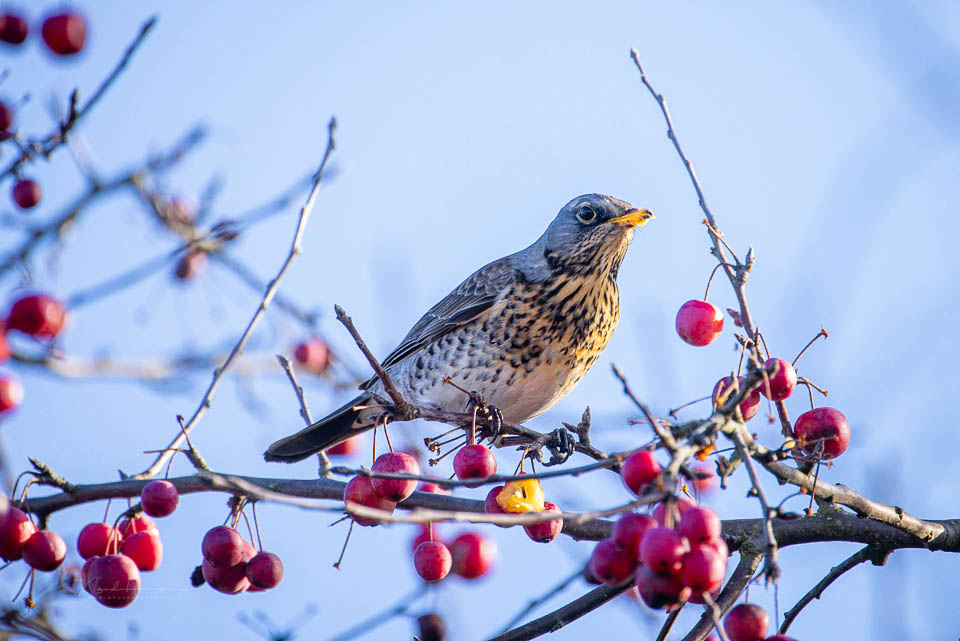
An animal shown from edge to edge is good for a biology book, or an identification guide. It's an impersonal representation of the animal. Show more in the frame, and the photo comes to life.
It's not a black-and-white story, of course. It doesn't mean you can never frame an animal this tightly. Do think about what you want to say with the photo. And choose what you think is best. Because sometimes a real portrait of an animal is beautiful too. But then we're talking about a form of portrait photography.
Then there's another potential problem that may come into play. Cropping means throwing away resolution. High-resolution sensors give you plenty of room to work with, but remember that extreme cropping also amplifies lens flaws and noise.
If you crop extremely, you may even think that a camera is poor when it comes to noise. But it's much more likely that the cause is an extreme crop.
Are you a wildlife photographer? Let us know what you do when cropping an image. How much of the photo do you want the animal to fill?
About the author
Nando Harmsen has been photographing for more than 40 years. He specialises in wedding photography and landscape photography. Nando also gives talks, workshops, masterclasses and photo trips, and regularly reviews new and interesting equipment.
You might also like
-
 The opposite of cropping
by Nando Harmsen
-
 Crop or use a teleconverter?
by Nando Harmsen
-
 The advantage of a crop sensor in landscape photography
by Nando Harmsen
-
A panorama or a panorama crop?
by Nando Harmsen
-
 Photographing or cropping a panorama
by Nando Harmsen
-
 Landscape with or without an animal?
by Nando Harmsen
5 comments
-
 Willem wrote on Tuesday 13 May 2025 at 13:07 | reply
Our dog is my model. I like it when I have his head filling the frame. However, a full shot of the animal isn't bad either. With my 18-400 (Tamron), I don't have to crop.
Translated from Dutch. -

 Nando
wrote on Tuesday 13 May 2025 at 13:17
| reply
Nando
wrote on Tuesday 13 May 2025 at 13:17
| reply
For photographing a pet, cropping is usually less applicable. You can stand 1 meter away, or 10 meters. You can zoom in if necessary, or zoom out.
Translated from Dutch.
However, I know from experience that sometimes you take a photo of a beautiful moment and think afterwards: that should be a bit more of a close-up. In that case, cropping is an option. Also with an 18-400mm.
And the same applies: don't take it too far. -
 Joke vd Berg wrote on Tuesday 13 May 2025 at 14:38 | reply
I do think it's a good article, because I myself am indeed inclined to crop quite a lot, I'll pay more attention to this in the future!
Translated from Dutch. -
 guest wrote on Tuesday 13 May 2025 at 15:28 | reply
I also often use my telephoto lens for dragonflies and butterflies that are just too far away for the macro lens. Even with the minimum focusing distance of around 90 cm, you sometimes still have a bit too much space left... so I crop regularly, but always in the raw converter and then pay close attention to the quality. Good composition and room for the creature remain important in that respect, and I completely agree with you on that.
Translated from Dutch.
greetings Ron -
 Joseph wrote on Tuesday 13 May 2025 at 18:09 | reply
I take a lot of photos of flying birds and the background is then sky and the birds are small. So crop away !!
Translated from Dutch.
Have your say
Please note: Articles older than a week can only be commented on by signed-in visitors.Would you still like to comment? sign in or create a free account.
Become a better photographer every week
A practical photography tip in your inbox every week.
39,079 photography enthusiasts already receive the tips! More about the weekly mail. Or keep up to date via  Facebook.

Elja Trum
Photofacts; everything to do with photography!
Would you like to take better photos and keep up with what is happening in photography? Photofacts publishes articles that teach you something about photography — from a product announcement to a practical shooting tip or a look at a website. Photofacts covers photography every day and is a hobby project of Elja Trum's that got out of hand. The articles are written by a team of volunteer authors. If you would enjoy writing one or more articles for Photofacts, do get in touch.More about PhotofactsPhotofacts is made possible in part by
