

Don't be afraid of dark and light in your photos
Saturday 20 November 2021, 15:30 by Nando Harmsen | 4,461 views | 2 commentsThis article was translated from Dutch with the help of AI. Read the original.
Modern digital cameras have an enormous dynamic range. If that isn't enough, you can also use HDR techniques.
This means your photos never need to contain pure white or pure black. Everything is well defined and recognisable. The question is: should you want that?
It's so easy these days. Photograph in raw format, expose for the light areas and bring out the dark areas in your photo editing programme.
There no longer needs to be any blown-out white or blocked-up black in the photo. If necessary, use an exposure bracketing sequence and HDR techniques.
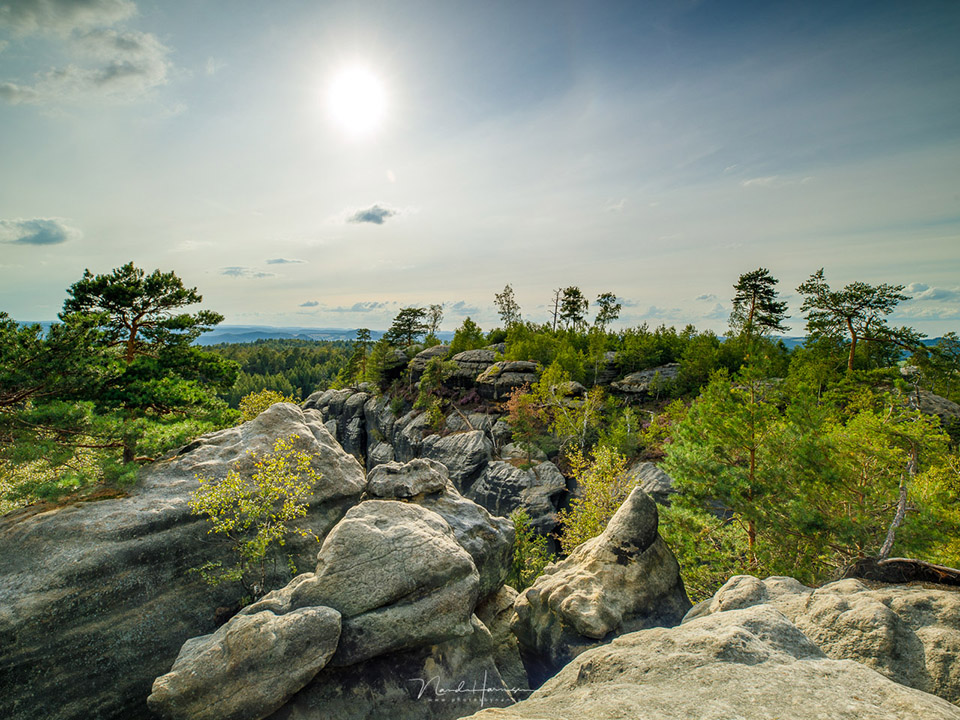
The result is often a photo consisting only of neutral tones. There is no real contrast left in the photo because light and dark have been turned into midtones.
The photo will also show an abundance of detail, something that often happens in so-called urbex photography.
Did you know that when you look at a photo, your eye is automatically drawn to the lightest part? Place your subject in that light area and it immediately catches the eye. Or you can place your subject as a silhouette against a light part of the photo. It's one of the ways to bring calm to a photo and/or direct attention.
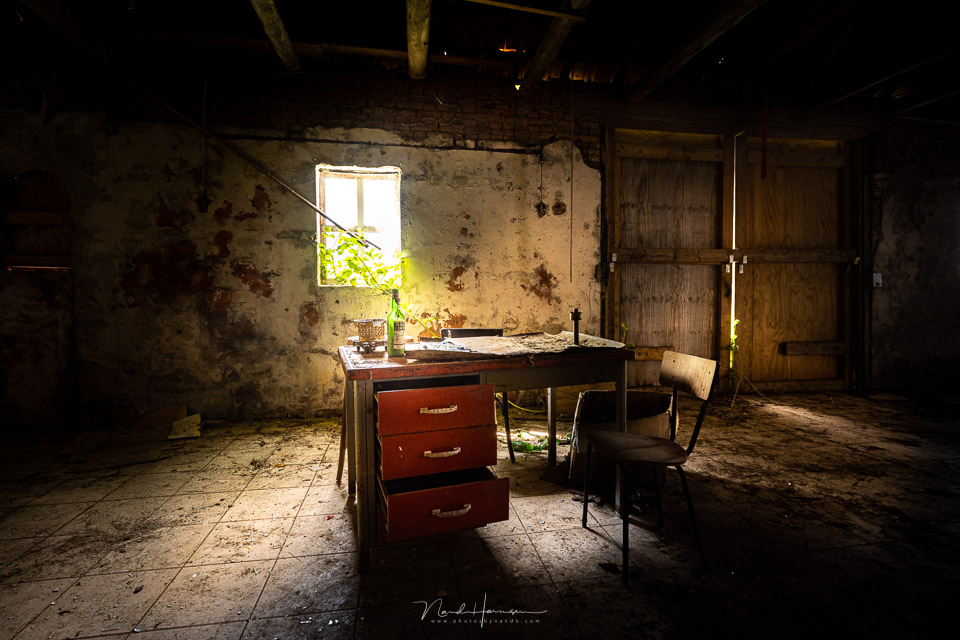
Imagine that everything is equally bright. It then becomes difficult, if not impossible, to direct attention. Nothing stands out, everything has the same brightness. The photo will initially be striking, but the attention span will be short.
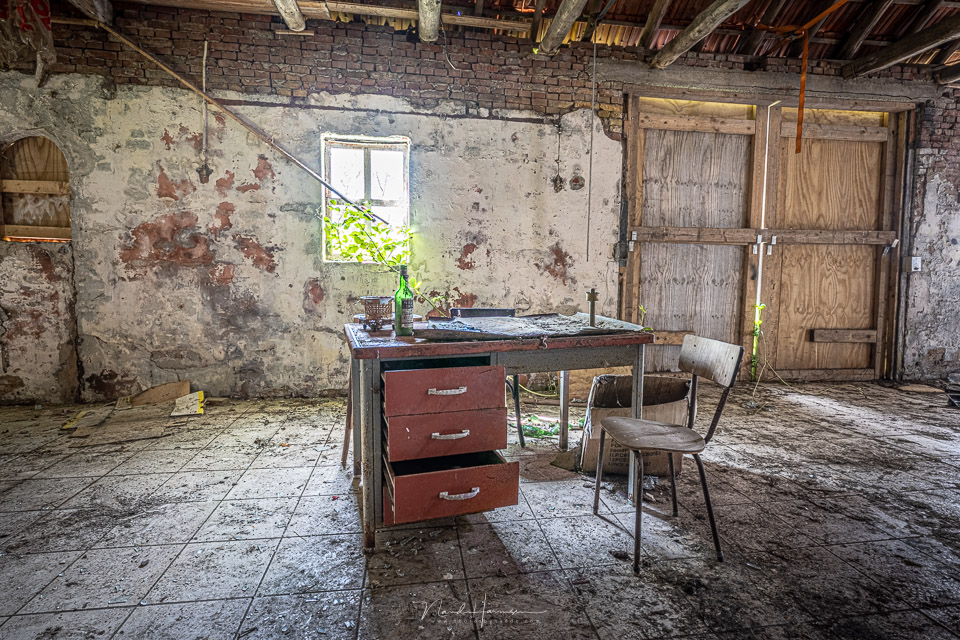
Making everything equally bright also means adding light to places where there is little or no light. Look at the examples of the interior location where light shines in through the window.
The light has a direction and will illuminate the part of the subject facing the window. The other side is dark. If you brighten that side, it's the same as flattening everything with flash.
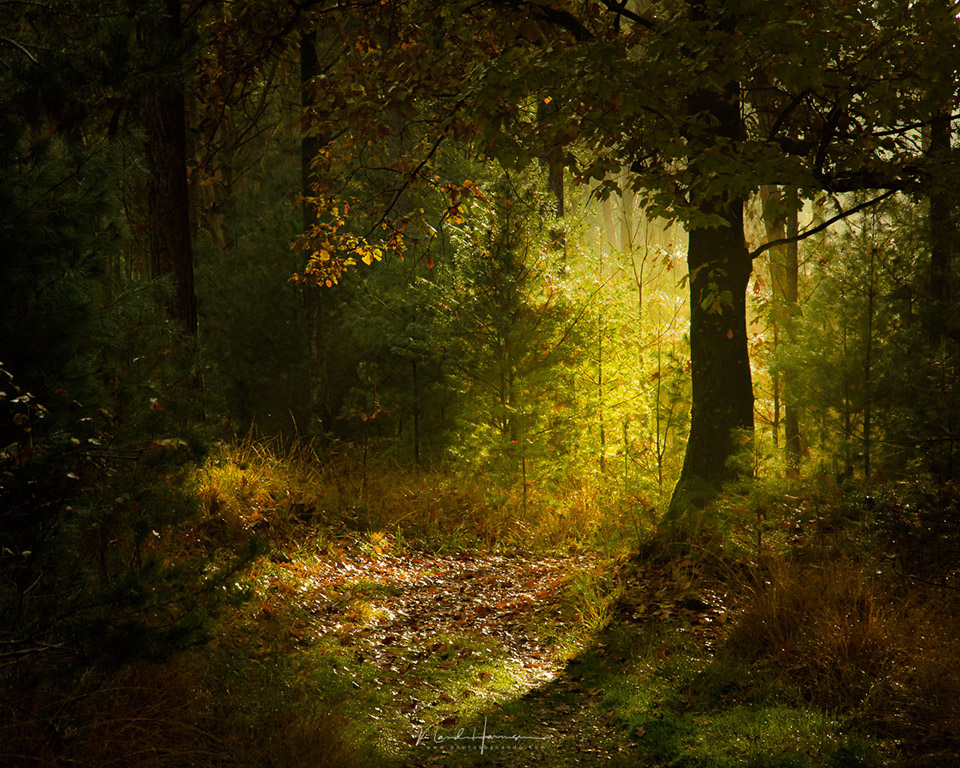
My tip: make more use of light and dark. Choose not to bring everything "within the dynamic range". Keep the subject lit, and leave the rest unlit or at least much less so. Direct attention and move whatever is less important or needs less attention out of the light.
That doesn't necessarily mean you need to have pure black or pure white in the image. Clipping highlights or shadows isn't always what you want either. But there is no harm in using it if it adds something to your photo.
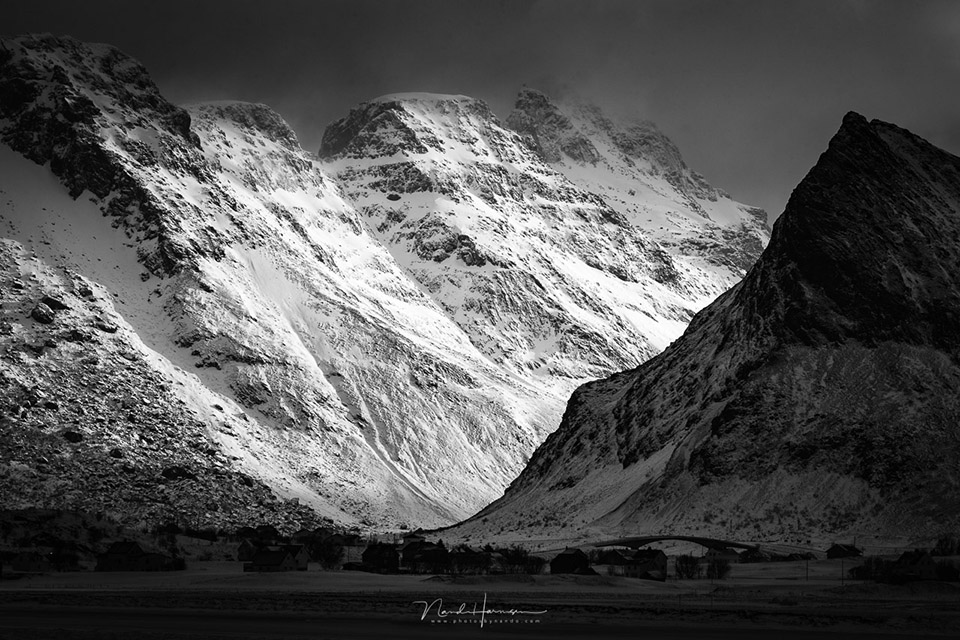
The funny thing is that we look with wonder at the photos of the old masters of photography, where strong contrasts were often used, and where you can sometimes even see pure white or pure black in the photo. It's therefore strange that this is often avoided in modern digital photography.
So take a closer look at light and dark in your photo, at shadows and contrast, and forget for a moment that everything has to be within the dynamic range. Make the photo exciting again, and leave some things in your image to the imagination.
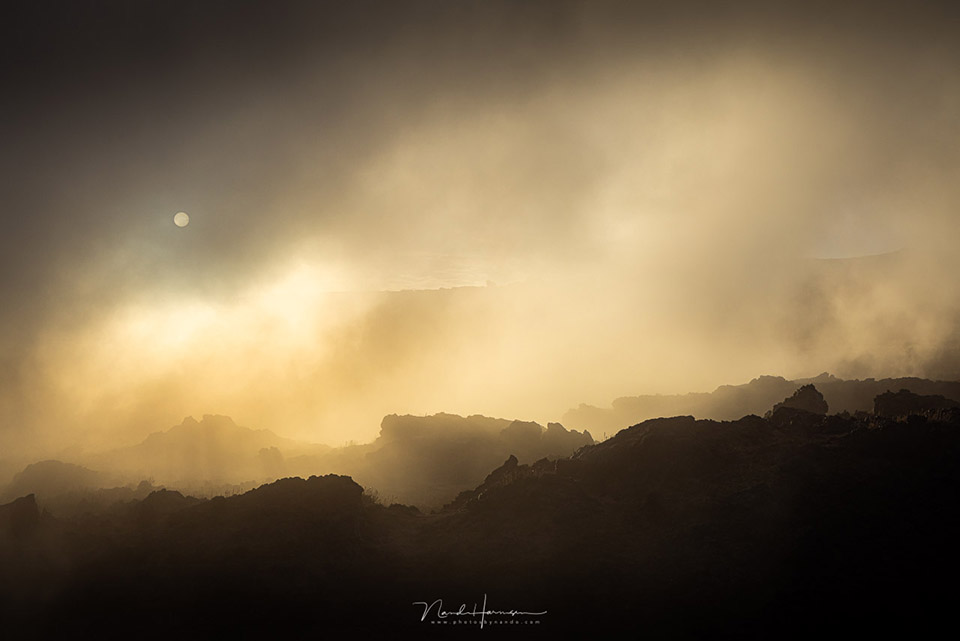
How do you approach your photography? Do you also always try to bring everything within the dynamic range, or do you like dark and light in your photo? Share your opinion in a comment below this post.
About the author
Nando Harmsen has been photographing for more than 40 years. He specialises in wedding photography and landscape photography. Nando also gives talks, workshops, masterclasses and photo trips, and regularly reviews new and interesting equipment.
You might also like
-
 Prefer High Contrast in Your Nature Photos
by Nando Harmsen
-
 Review: HDR and Dynamic Range Course
by Martin van Rooij
-
 Landscape photography tip: add contrast to your photo
by Nando Harmsen
-
 The (Un)importance of High Dynamic Range in Landscape Photography
by Nando Harmsen
-
 Playing with black and white contrast in Lightroom Classic
by Nando Harmsen
-
 HDR: What do you mean?
by Rob IJsselstein
2 comments
-
 Mac wrote on Tuesday 23 November 2021 at 07:49 | reply
I do like dark and light in a photo. Especially when it’s black-and-white photography (it’s not called black-and-white photography for nothing, and not shades-of-gray photography).
Translated from Dutch.
I also regularly use HDR myself, but more to have enough dynamic range. And in post-processing I make sure that I really have light and dark areas. -
 Hans van Sterkenburg wrote on Wednesday 24 November 2021 at 09:13 | reply
Dear Mr. Nando,
Translated from Dutch.
I am an enthusiast. Your Iceland photo sings so deeply to my heart. I like to put mushrooms in the light, the surroundings in the dark. I often photograph a swan, floating on still water, slightly underexposed. The swan warm white and the surroundings dark, including the water, in which the reflection can then be seen so beautifully.
Painting with light, wasn't that what it was?
Regards,
Hans van Sterkenburg.
Have your say
Please note: Articles older than a week can only be commented on by signed-in visitors.Would you still like to comment? sign in or create a free account.
Become a better photographer every week
A practical photography tip in your inbox every week.
39,024 photography enthusiasts already receive the tips! More about the weekly mail. Or keep up to date via  Facebook.

Elja Trum
Photofacts; everything to do with photography!
Would you like to take better photos and keep up with what is happening in photography? Photofacts publishes articles that teach you something about photography — from a product announcement to a practical shooting tip or a look at a website. Photofacts covers photography every day and is a hobby project of Elja Trum's that got out of hand. The articles are written by a team of volunteer authors. If you would enjoy writing one or more articles for Photofacts, do get in touch.More about PhotofactsPhotofacts is made possible in part by
