

Do you have a mirrorless camera? Watch out for lasers
Friday 28 August 2020, 16:08 by Nando Harmsen | 5,703 views | 4 commentsThis article was translated from Dutch with the help of AI. Read the original.
Concert photography is something I did for decades, from the early 1990s until a few years ago. It is a wonderful thing to do, and I enjoyed it immensely.
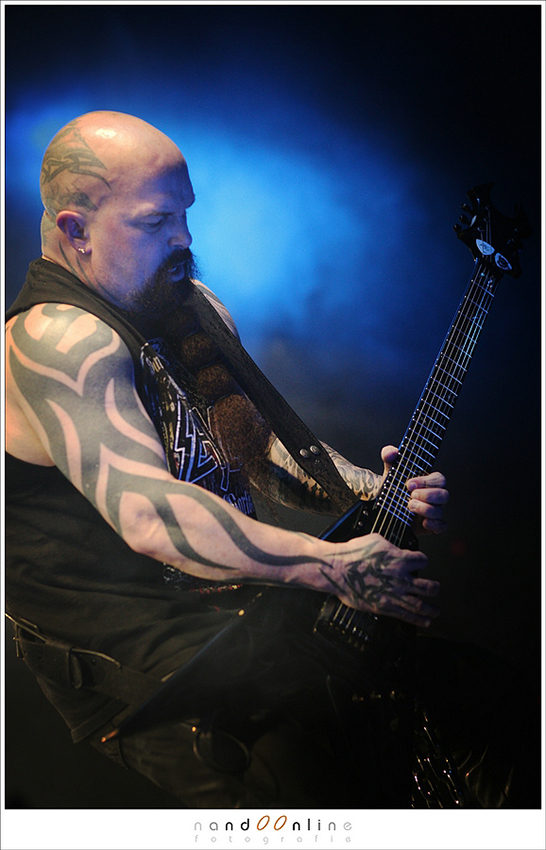
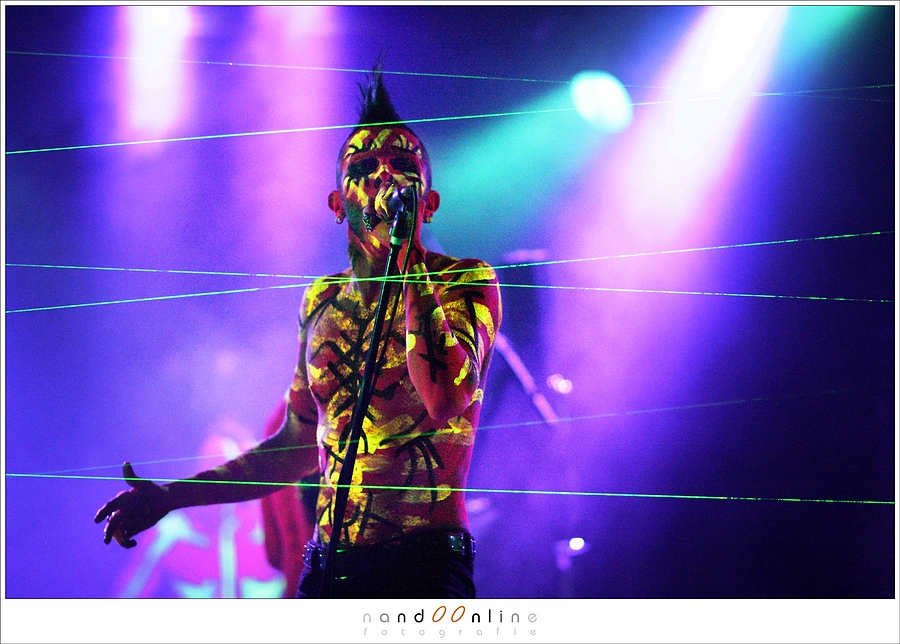
In the final years of my 'career' as a concert photographer, lasers became increasingly popular. More and more artists used these versatile light sources to create spectacular light shows. And they became affordable.
But in the end, they turned out to pose a real danger to the photographer and their camera, as I experienced at first hand.

You don't need to react as dramatically as the singer of the band Helloween. But do pay attention.
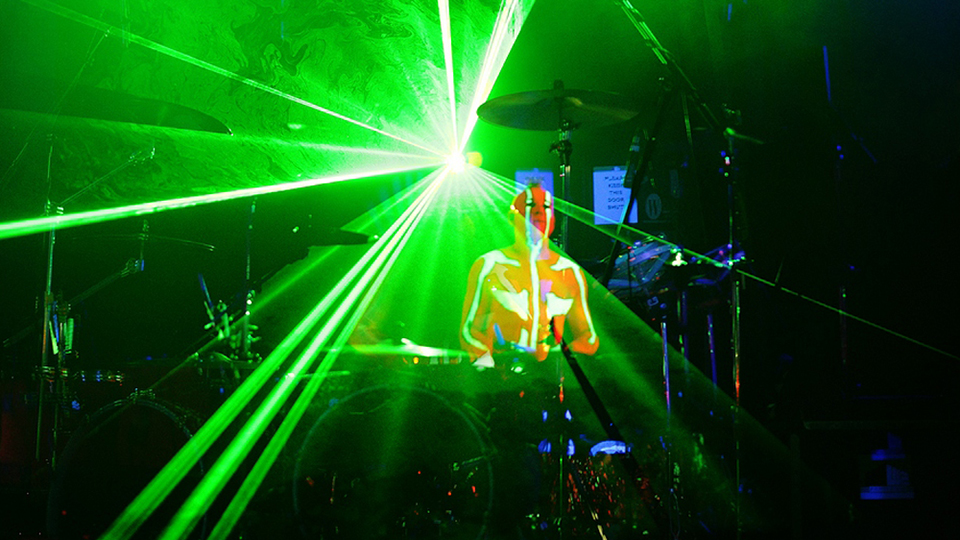
A few years ago, after a concert, I went to photograph the aftershow, where lasers were used extensively. The laser beams shoot rapidly back and forth, and can project beautiful patterns in the smoky concert hall. This can produce very photogenic moments.
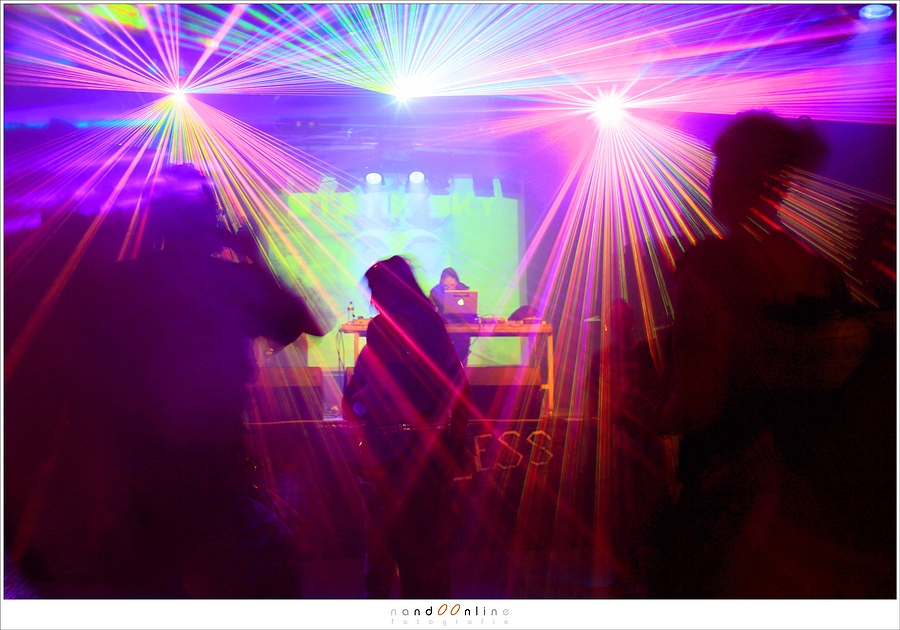
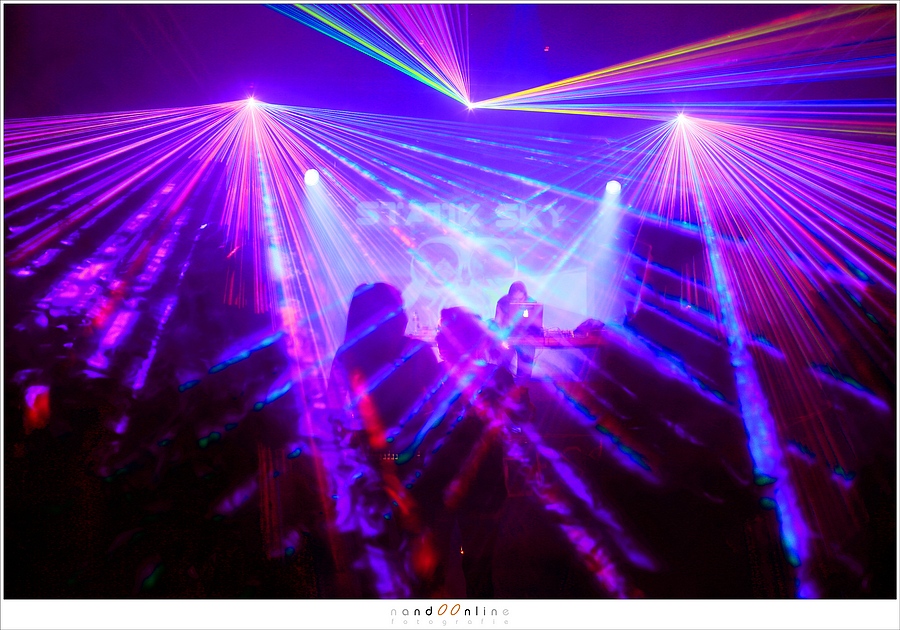
To capture the laser patterns, a longer shutter speed is desirable. This gives the laser time to travel a distance and draw the pattern while the shutter is open. A fast shutter speed freezes the moment, as it were, and the patterns will not be visible.
So I decided to experiment with long shutter speeds, up to one second. The idea was also to show the movement of dancing people.
Strange spots in the photo
Besides concert photography, I also spend a lot of time photographing landscapes, and I still do. Shortly after the concert, I noticed a few spots in the photo. After looking more closely, I found that they were present in all the photos. They did not look like dust, but like something else.
Then it dawned on me that the laser had damaged my sensor.
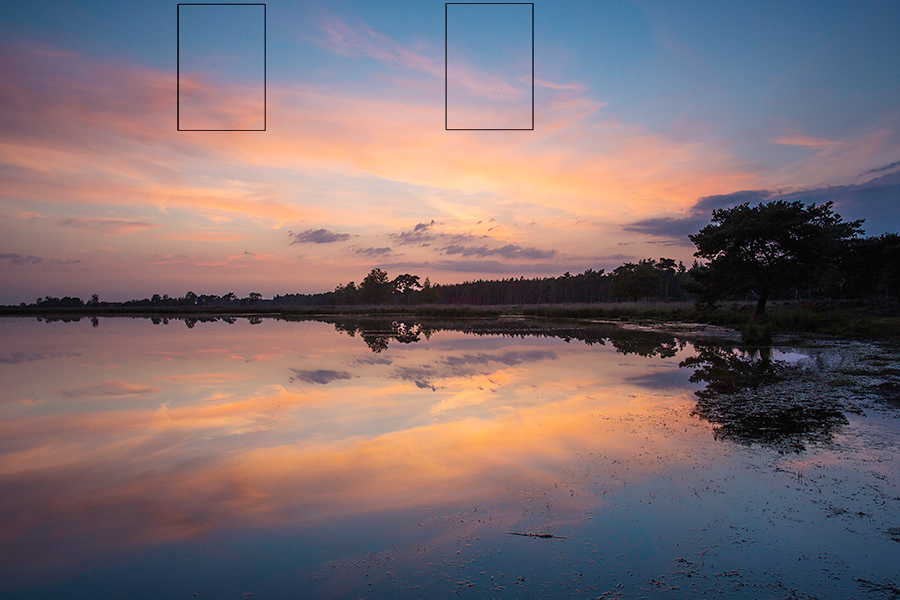
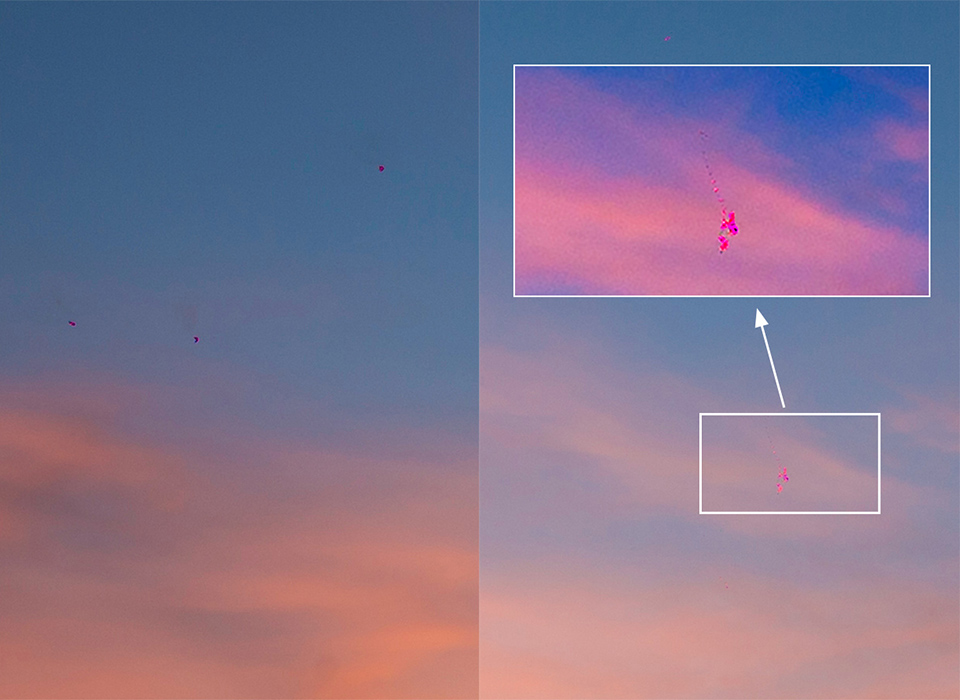
I decided to have my camera repaired. The damage could be repaired, but a new sensor had to be installed. The damage cost more than 500 euros.
Fortunately, I was insured against damage to my equipment, and I was reimbursed for most of it. But the lesson was clear: watch out for lasers.
What about mirrorless cameras?
Now that mirrorless cameras have become commonplace, I have realised that the danger lasers pose to these cameras is greater than it was with the old, trusted DSLRs.
With the latter, the sensor is only exposed to light when the photo is taken. Normally, there is a mirror and a shutter in front of it.
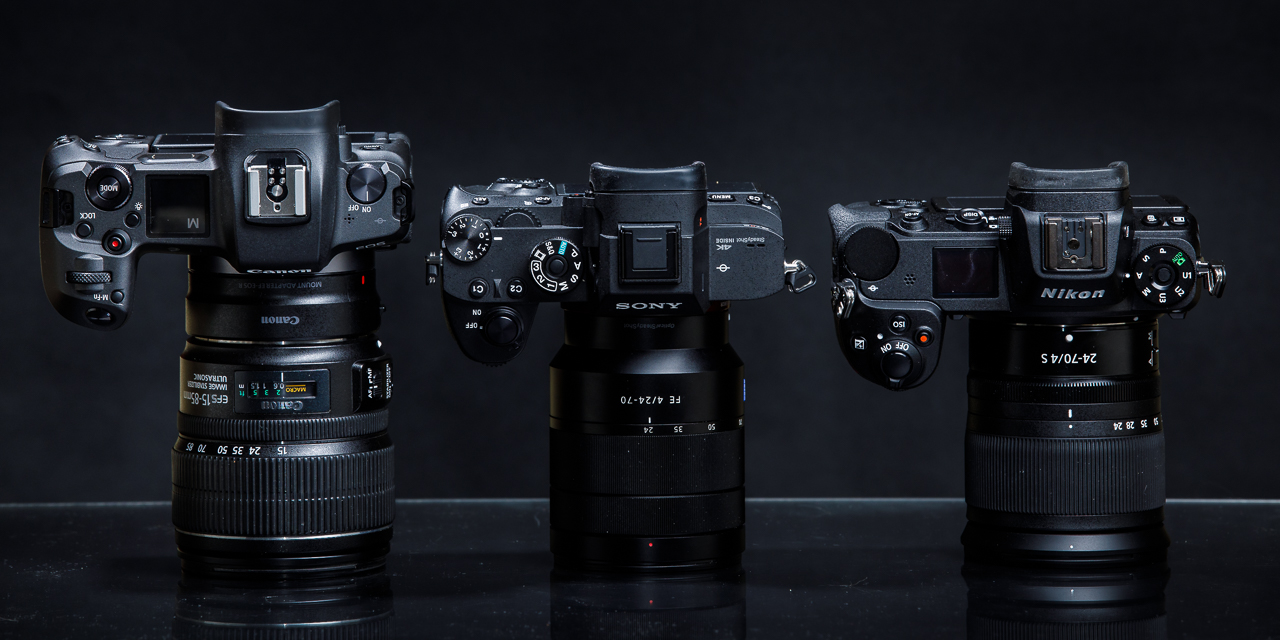
Mirrorless cameras have no mirror or shutter. The sensor is used to display the image in the viewfinder and on the LCD screen. So it is continuously exposed to light.
If you are at a venue where lasers are being used, the sensor will always be exposed to laser light. Even when the camera is switched off, with some exceptions.
In other words, because the sensor is always exposed to light, the chance of a laser damaging the sensor is many times greater. After all, it is not only exposed during the moment of taking a photograph, as with a DSLR.
Less danger in normal situations. Or is it?
You probably think you will never find yourself in a situation where lasers can damage your sensor. After all, not everyone photographs at parties or concerts, and not every party or concert uses lasers.
However, there are other places where lasers are also used, and you do not always know about it. Did you know that self-driving cars also use, or may use, lasers? Or laser speed checks by the police, where there have been known cases of mirrorless cameras being damaged.
Take a look at the ILDA website, where you can read more about this danger, or at this news report on the BCC.
In practice
I do not want to cause you unnecessary concern as a mirrorless camera user, because I expect that there is no danger at all in 99% of the moments when you are taking photographs. Certainly not with certain types of photography.
However, it is good to be aware of the possible dangers posed by lasers. And with increasing automation and the use of autonomous systems, lasers can appear in places where you do not expect them. It would be unfortunate if your camera suddenly suffered damage, as mine did back then.
A photographer who has been warned is worth two.
About the author
Nando Harmsen has been photographing for more than 40 years. He specialises in wedding photography and landscape photography. Nando also gives talks, workshops, masterclasses and photo trips, and regularly reviews new and interesting equipment.
You might also like
-
 The mirrorless camera and the looming lack of exposure knowledge
by Nando Harmsen
-
 Nikon introduces the Z6 III mirrorless camera
by Nando Harmsen
-
 Review: Sony A7R V mirrorless camera
by Nando Harmsen
-
 The DSLR is dead, long live the mirrorless camera!
by Elja Trum
-
 Review: Canon EOS R8 full-frame mirrorless camera
by Nando Harmsen
-
 Wildlife photography and switching to mirrorless
by Evert Doorn
4 comments
-
 Bob Bakker wrote on Monday 31 August 2020 at 14:50 | reply
Dag Nando, bedankt voor deze waarschuwing.
This comment was written in another language and has not been translated yet.
Daarover doordenkend: Het hoeft niet alleen laserlicht te zijn. Omdat de sensor in principe altijd aan staat (bij ingeschakelde camera), zou je ook schade kunnen krijgen als je hem bijv. even weglegt op een plek waar de zon in de lens schijnt. Of zie ik dat verkeerd?
Groeten, Bob Bakker -

 Paul Oosterlaak wrote on Monday 31 August 2020 at 22:50
| reply
Paul Oosterlaak wrote on Monday 31 August 2020 at 22:50
| reply
Zonlicht is doorgaans niet intens genoeg om in te branden op een sensor, tenzij je er bijvoorbeeld een lange telelens op hebt staan. Al betwijfel ik of dat wel genoeg is voor je sensor.
This comment was written in another language and has not been translated yet.
Lasers die gebruikt worden door zelfrijdende auto's gebruiken doorgaans golflengtes redelijk buiten het zichtbare licht. Op de sensor zit bijna altijd een IR en UV filter die al redelijk wat tegen kunnen houden. Maar er bestaan altijd wel golflengtes die er doorheen komen en toch gevaarlijk zijn voor de sensor.
Ik heb het zelf ook bij mijn Canon 5D II die sinds jaren terug ook in een discotheek een "watermerk" heeft. -
 Nando
wrote on Tuesday 1 September 2020 at 17:07
| reply
Nando
wrote on Tuesday 1 September 2020 at 17:07
| reply
@Bob;
This comment was written in another language and has not been translated yet.
Zonlicht is op zich niet schadelijk als je camera in de zon ligt. Ik neem aan dat je de lens niet recht op de zon richt. Toch zou ik met een ultragroothoek de camera van de zon af leggen, zeker als dit voor langere tijd is. Ik denk niet dat het schade oplevert, maar waarom het risico nemen. Overigens, kort op de zon richten, voor een foto kan ook geen kwaad, tenzij je brandpunt heel erg lang is. -
 Donald Willemsen
wrote on Tuesday 1 September 2020 at 23:15
| reply
Donald Willemsen
wrote on Tuesday 1 September 2020 at 23:15
| reply
Een goede waarschuwing Nando. Het zet je wel even aan het denken als je de overstap wilt maken van een spiegelreflex naar een spiegelloze camera. Dat is natuurlijk wel een beetje afhankelijk van het soort fotografie dat je beoefent.
This comment was written in another language and has not been translated yet.
Have your say
Please note: Articles older than a week can only be commented on by signed-in visitors.Would you still like to comment? sign in or create a free account.
Become a better photographer every week
A practical photography tip in your inbox every week.
39,079 photography enthusiasts already receive the tips! More about the weekly mail. Or keep up to date via  Facebook.

Elja Trum
Photofacts; everything to do with photography!
Would you like to take better photos and keep up with what is happening in photography? Photofacts publishes articles that teach you something about photography — from a product announcement to a practical shooting tip or a look at a website. Photofacts covers photography every day and is a hobby project of Elja Trum's that got out of hand. The articles are written by a team of volunteer authors. If you would enjoy writing one or more articles for Photofacts, do get in touch.More about PhotofactsPhotofacts is made possible in part by
