

Night photography tip: photograph all the Moon phases
Sunday 25 July 2021, 14:07 by Nando Harmsen | 4,263 views | 2 commentsThis article was translated from Dutch with the help of AI. Read the original.
Whenever there is a full Moon, telephoto lenses always come out of the camera bag. The impressive celestial body shining brightly in the sky gets photographed a lot. Even more so when there is a special Moon. But don't forget to photograph the Moon during its other phases too.
The full Moon has always played an important role. In folklore, legends and fairy tales. Even today, special powers are still attributed to the full Moon. This fully illuminated natural satellite of the Earth certainly has one power: it attracts photographers.
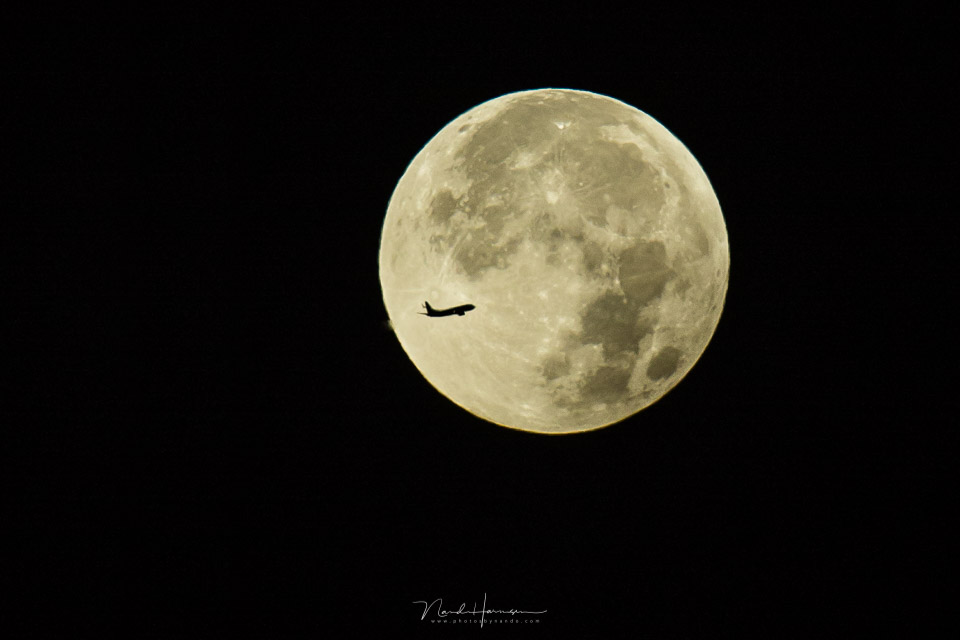
Armed with a telephoto lens, the full Moon is photographed. Preferably with 400mm or more, so that the Moon appears large in the frame. Sometimes it has extra appeal. That is when there is a special Moon.
Harvest Moon, blue Moon and supermoon make it seem much more interesting. Even people who normally never look up will then look at that disc in the sky. Did you know there are many more moons? Flower Moon, Wolf Moon, Worm Moon, Snow Moon... you name it.
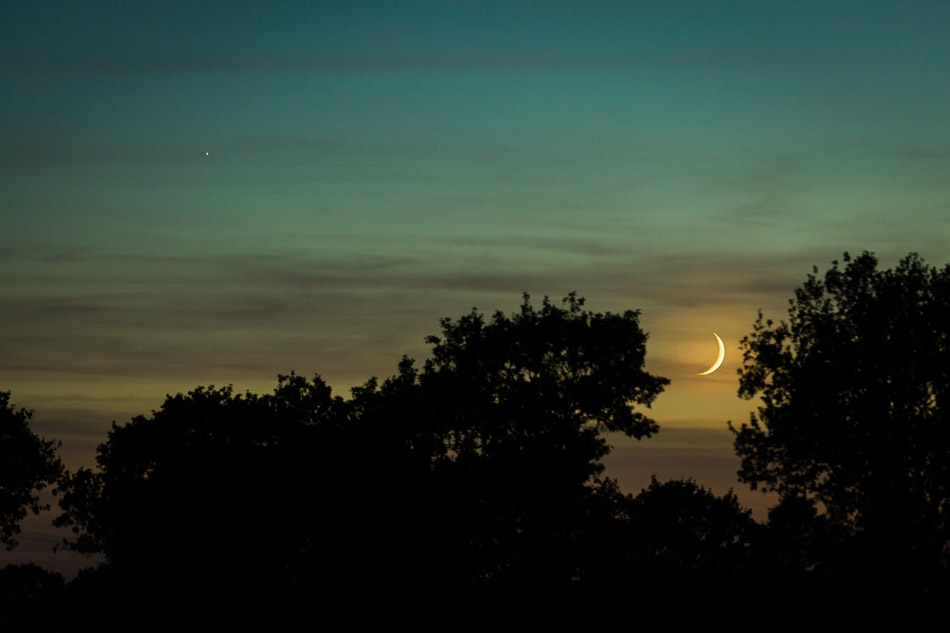
What is often forgotten, however, are the different Moon phases. Generally, we only go outside for the full Moon. But also take a look at the crescent Moon, half Moon and waxing Moon. They are also very interesting to photograph.
Did you know that the full Moon is lit as if a huge flash were shining on it? Flat, front-on light. For almost all photography, we want light coming from a different direction. Side lighting makes everything much more interesting. It creates shadows and depth. This applies to the Moon too.
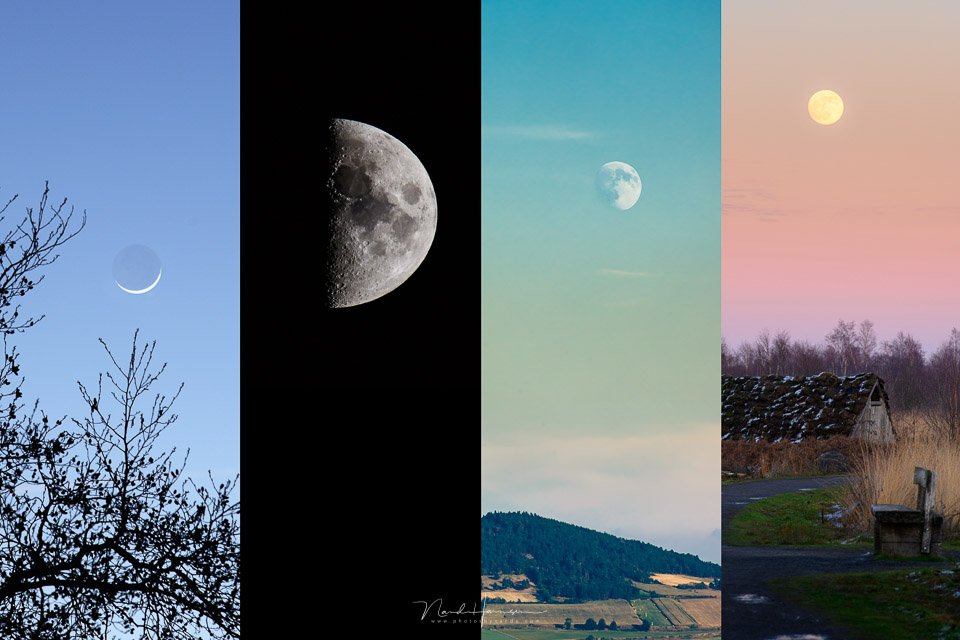
Try photographing the Moon when it is not full too. And you will find that it can sometimes be much more interesting than yet another full Moon. Whatever name it has been given this time.
About the author
Nando Harmsen has been photographing for more than 40 years. He specialises in wedding photography and landscape photography. Nando also gives talks, workshops, masterclasses and photo trips, and regularly reviews new and interesting equipment.
You might also like
-
 Photographing the Full Moon creatively
by Nando Harmsen
-
 Night photography on Schiermonnikoog, part 1
by Erik Nevels
-
 Night photography tip: photograph the moon at twilight
by Nando Harmsen
-
.jpg "Night photography on Schiermonnikoog (part 2)") Night photography on Schiermonnikoog (part 2)
Night photography on Schiermonnikoog (part 2)by Erik Nevels
-
 Night photography tip: try black and white too
by Nando Harmsen
-
 The annoying red light when taking night photographs
by Nando Harmsen
2 comments
-
 Edwin Mathlener wrote on Tuesday 27 July 2021 at 10:17 | reply
Nice, amateur astronomers who do lunar photography usually avoid the full moon, because you see the most details around the terminator (the boundary between light and dark). We tell them that it can actually also be good to photograph the full moon, because then you can clearly see the ray pattern of the Tycho crater.
Translated from Dutch. -


Have your say
Please note: Articles older than a week can only be commented on by signed-in visitors.Would you still like to comment? sign in or create a free account.
Become a better photographer every week
A practical photography tip in your inbox every week.
39,079 photography enthusiasts already receive the tips! More about the weekly mail. Or keep up to date via  Facebook.

Elja Trum
Photofacts; everything to do with photography!
Would you like to take better photos and keep up with what is happening in photography? Photofacts publishes articles that teach you something about photography — from a product announcement to a practical shooting tip or a look at a website. Photofacts covers photography every day and is a hobby project of Elja Trum's that got out of hand. The articles are written by a team of volunteer authors. If you would enjoy writing one or more articles for Photofacts, do get in touch.More about PhotofactsPhotofacts is made possible in part by
