

Photographing the Full Moon creatively
Friday 28 June 2024, 23:46 by Nando Harmsen | 3,040 views | 2 commentsThis article was translated from Dutch with the help of AI. Read the original.
Every 29 days, there is a full Moon in the sky. For many, that is a reason to reach for a telephoto lens. Some do this every month. Instead of taking the same photo again, you can photograph the Moon more creatively.
The Moon has phases. From new Moon to full Moon, with the crescent Moon, half Moon and waxing Moon in between. And via the waning Moon back again. The full Moon is impressive, and the subject of photography every month.
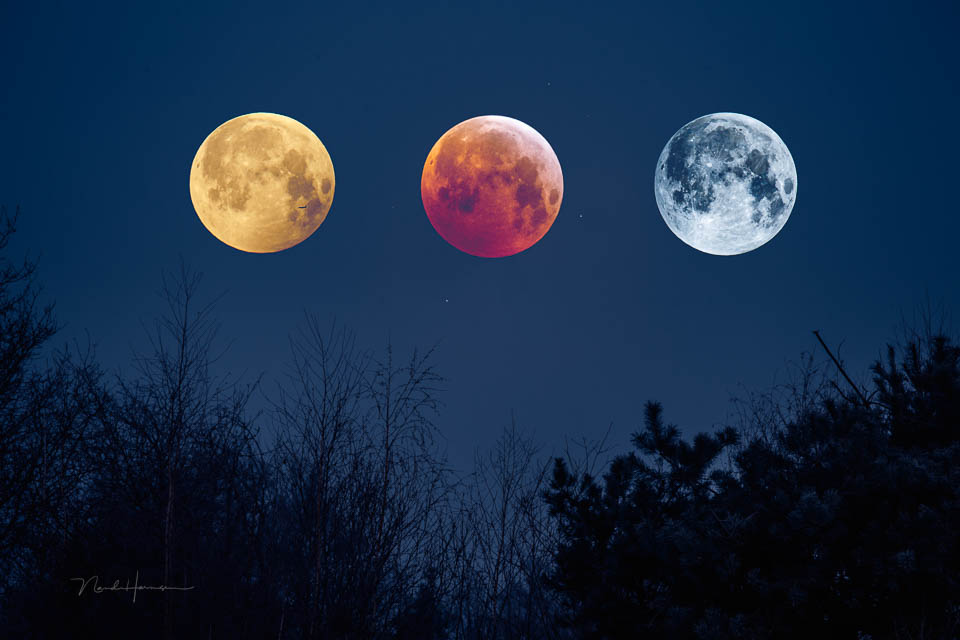
The Moon always looks the same. If you photograph a full Moon now, the photo you take next month will be exactly the same. Just like the photo you take of the full Moon in six months, or in ten years. Nothing changes. The only differences come from the editing.
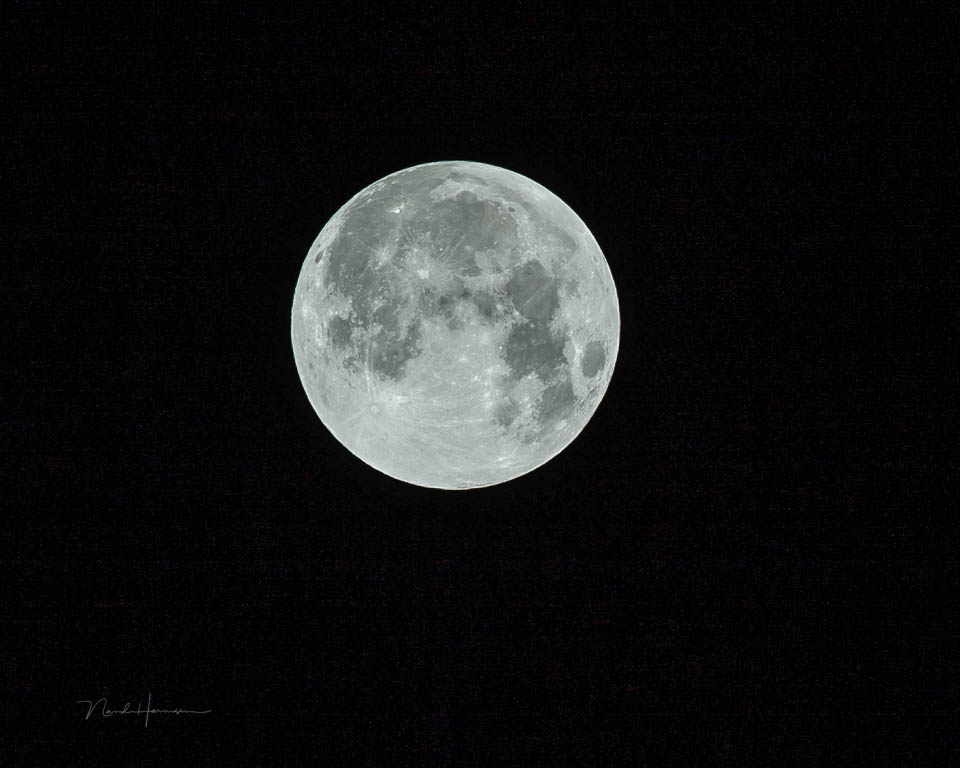
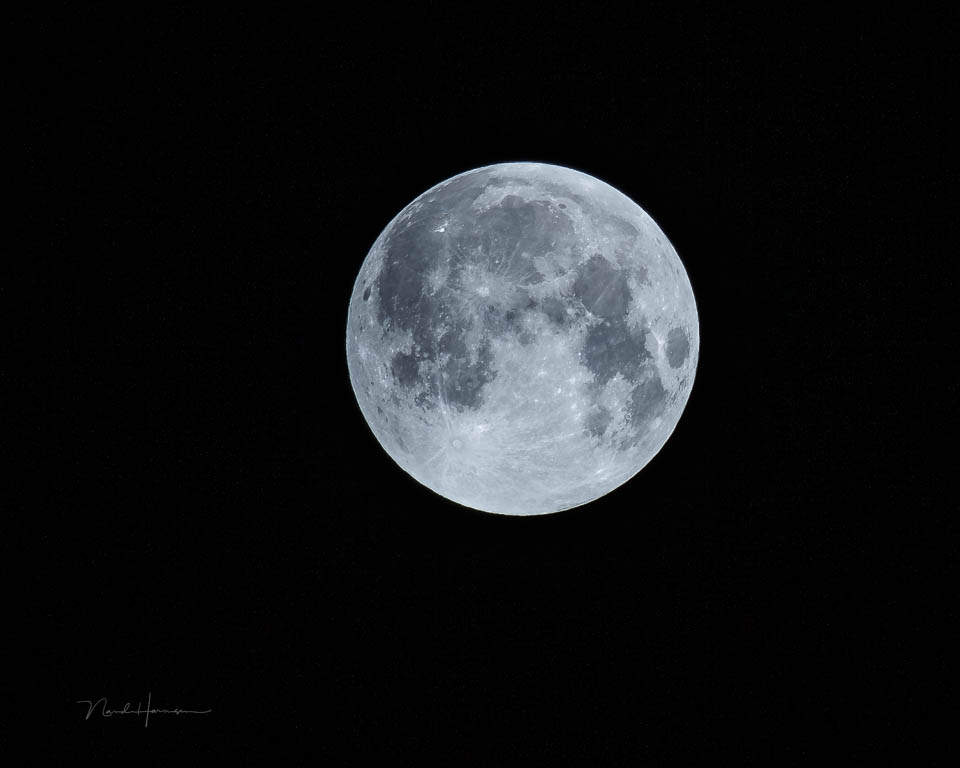
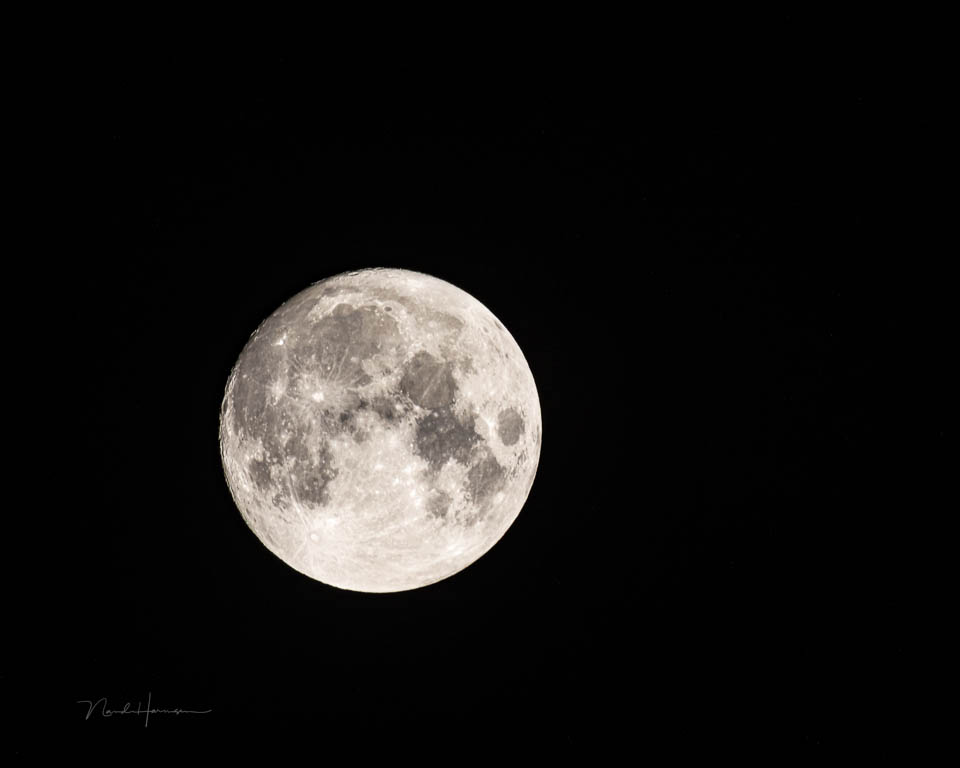
Even intriguing names such as Flower Moon, Supermoon, Wolf Moon, Harvest Moon or Blue Moon do not change its appearance. Only a Blood Moon is different, because that is a lunar eclipse.
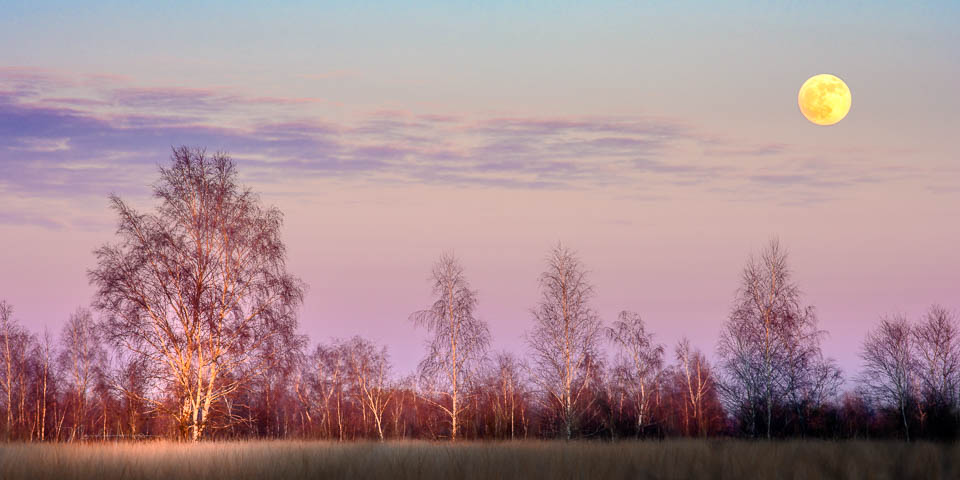
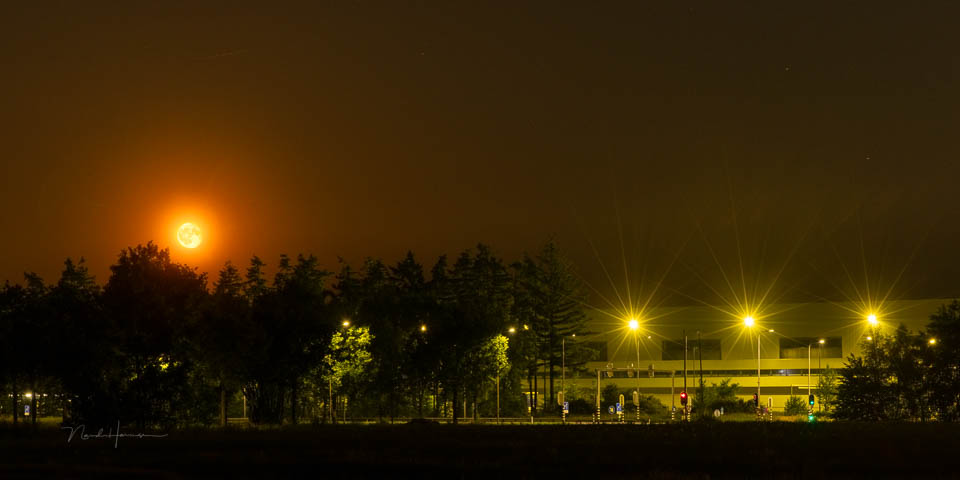
Instead of photographing the full Moon in the night sky, you can also take a more creative approach. Do not photograph the full Moon in the night sky, but during twilight or sunset. Choose the moment when the Moon is low in the sky.
By doing this, you achieve two important things. First, you have a foreground that makes the Moon look very impressive, especially when you use a telephoto lens. Second, there is light, so the surroundings are not pitch black.
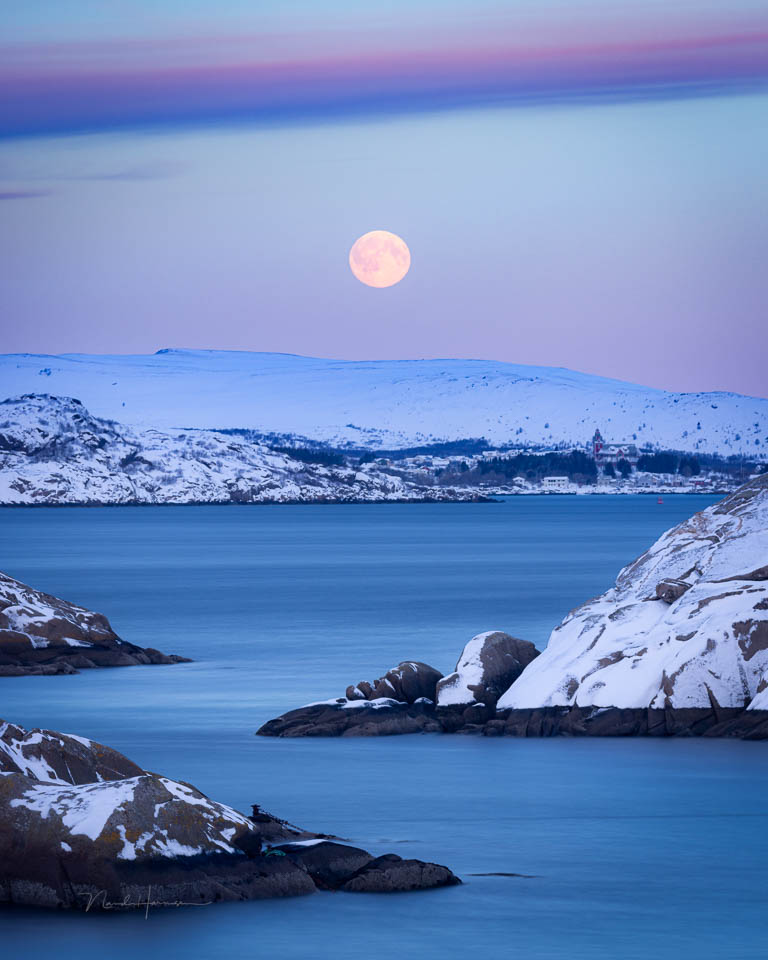
There is more possible than just a full Moon in a black sky. Such as the Moon shining through the clouds, or a moonlit landscape. You also have a chance of the Moon showing beautiful colours, something that disappears when it is high in the sky.
About the author
Nando Harmsen has been photographing for more than 40 years. He specialises in wedding photography and landscape photography. Nando also gives talks, workshops, masterclasses and photo trips, and regularly reviews new and interesting equipment.
You might also like
-
 Night photography tip: photograph all the Moon phases
by Nando Harmsen
-
 Night photography tip: photograph the moon at twilight
by Nando Harmsen
-
 Night photography on Schiermonnikoog, part 1
by Erik Nevels
-
.jpg "Night photography on Schiermonnikoog (part 2)") Night photography on Schiermonnikoog (part 2)
Night photography on Schiermonnikoog (part 2)by Erik Nevels
-
 Night photography tip: try black and white too
by Nando Harmsen
-
 Night photography tip: choose the blue hour
by Nando Harmsen
2 comments
-
 Edwin Mathlener wrote on Tuesday 2 July 2024 at 16:05 | reply
Even as an astronomer, I find landscape photos with a full moon more atmospheric than just the full moon, but it is not the case that there are no differences between the different full moons, as is emphatically claimed here. The moon wobbles slightly in an east-west and north-south direction, namely. We call these the librations of the moon. This can also be seen in the photos: just compare the full moon photos from 2019 and 2022. Mare Crisium, the small sea on the right, is farther from the edge in the last photo. The difference can also be clearly seen in the upper left. You can even use this to create a stereo pair and see depth in the full moon. Perhaps fun to try with these two photos, provided they are displayed next to each other at the same size.
Translated from Dutch. -

 Nando
wrote on Tuesday 2 July 2024 at 16:15
| reply
Nando
wrote on Tuesday 2 July 2024 at 16:15
| reply
Of course you're absolutely right. The librations cause a very small difference in viewing angle. For the astronomer this is of course something very interesting and fascinating, but for the photographer photographing the Moon this will hardly make any difference.
Translated from Dutch.
Have your say
Please note: Articles older than a week can only be commented on by signed-in visitors.Would you still like to comment? sign in or create a free account.
Become a better photographer every week
A practical photography tip in your inbox every week.
39,079 photography enthusiasts already receive the tips! More about the weekly mail. Or keep up to date via  Facebook.

Elja Trum
Photofacts; everything to do with photography!
Would you like to take better photos and keep up with what is happening in photography? Photofacts publishes articles that teach you something about photography — from a product announcement to a practical shooting tip or a look at a website. Photofacts covers photography every day and is a hobby project of Elja Trum's that got out of hand. The articles are written by a team of volunteer authors. If you would enjoy writing one or more articles for Photofacts, do get in touch.More about PhotofactsPhotofacts is made possible in part by
