

3 reasons not to use a polarising filter
Monday 24 August 2020, 15:51 by Nando Harmsen | 10,129 views | 11 commentsThis article was translated from Dutch with the help of AI. Read the original.
A polarising filter reduces reflections on surfaces that can act like a mirror. Water is an obvious example, but windows, glass and laminated cardboard can also reflect strongly. And cars, of course.
Because a polarising filter only lets light through in one direction, you can filter out reflections when you use it at the right angle. The optimum angle for this is 90 degrees to the light source. In other words, with the light source to your left, right, above or below you.
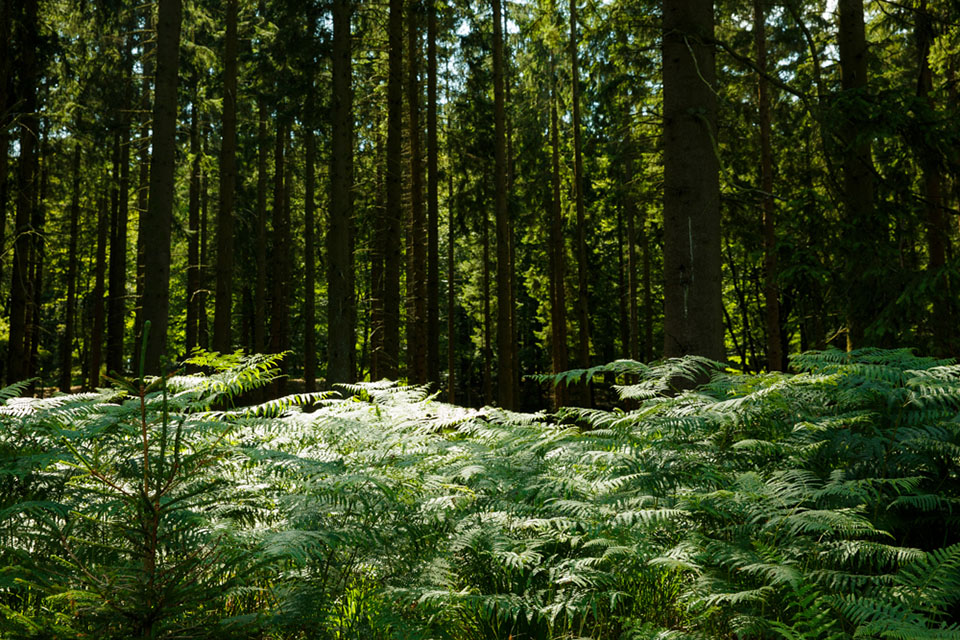
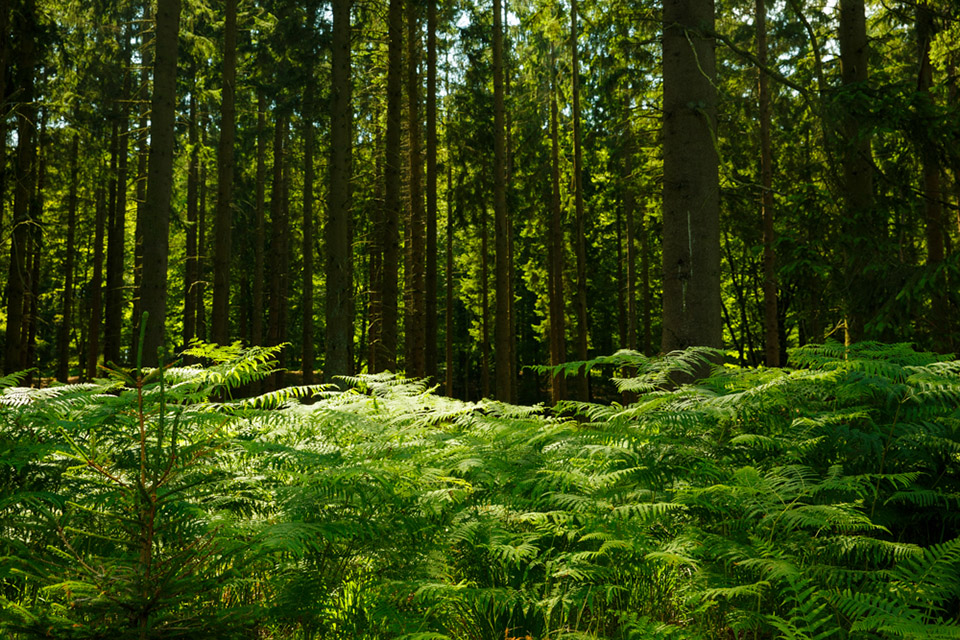
You can rotate a polarising filter, allowing you to control the direction of the light that passes through. This lets you adjust how much of a reflection is filtered out.
Sometimes you simply want less reflection, rather than all or nothing. Or you do not want any polarised light at all.
Although a polarising filter is certainly recommended for many types of photography, including landscapes, car photography and sometimes even macro or property photography, there are also situations where it is better not to use one. I have three reasons why you might prefer not to use polarisation.
1. When using an extreme wide-angle lens
Especially in landscape photography, many photographers often use wide-angle lenses. The wider, the better. But using a polarising filter can have a drawback with an extreme wide-angle lens.
I mentioned that a polarising filter, also sometimes called a CPL filter (Circular Polarisation Filter), works best when the angle to the light is 90 degrees, so exactly to your left or right, exactly above you, or below you.
This means that the effect of the polarisation becomes weaker as the angle gets larger or smaller. With the light source at 0 degrees, directly in front of you, or 180 degrees, directly behind you, the effect is minimal. In between, the effect gradually changes from maximum polarisation to minimum polarisation.
When the angle of view is very wide, as with an ultra-wide-angle lens, the angle of the light varies within the photo itself. This means that the polarisation is at its strongest in one part of the photo and becomes weaker towards the other parts. You notice this especially clearly when there is sky in the photo.
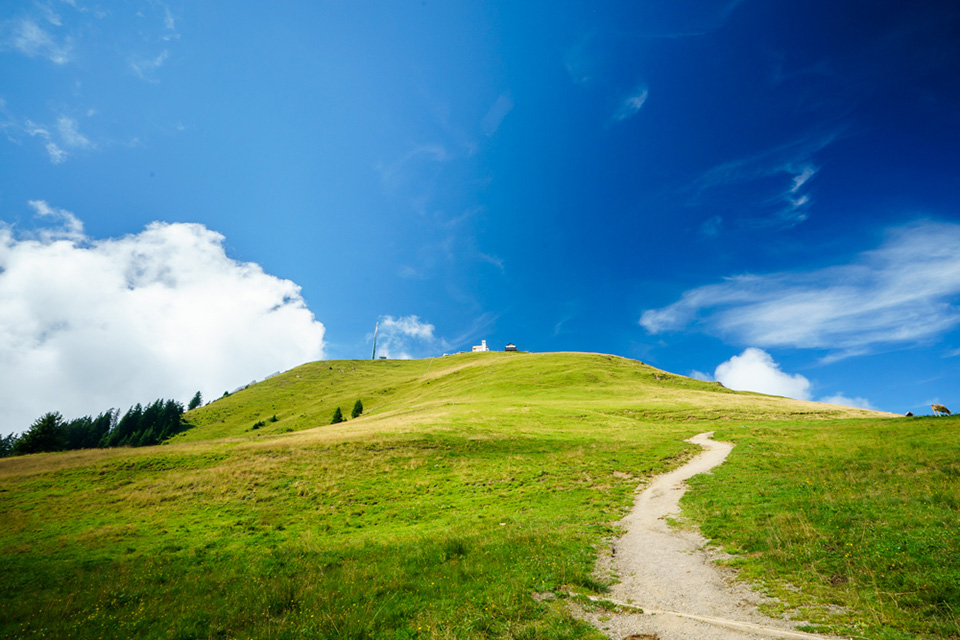
I have noticed that the point where this difference becomes distracting starts at 24mm on a full-frame camera. If your focal length is shorter, it is advisable to be very careful with polarisation, or even not to use it at all, especially if there is a lot of sky in the photo, or other plain surfaces.
2. When you want to photograph a rainbow
Photographing a rainbow is of course wonderful. When the rain shower has passed and the sun breaks through, a beautiful rainbow can appear.
A rainbow is the internal reflection of sunlight in the small water droplets hanging or falling in the air. The size of the droplets determines how wide or bright the rainbow will appear. You can filter out that reflection with a polarising filter. The result: no rainbow.
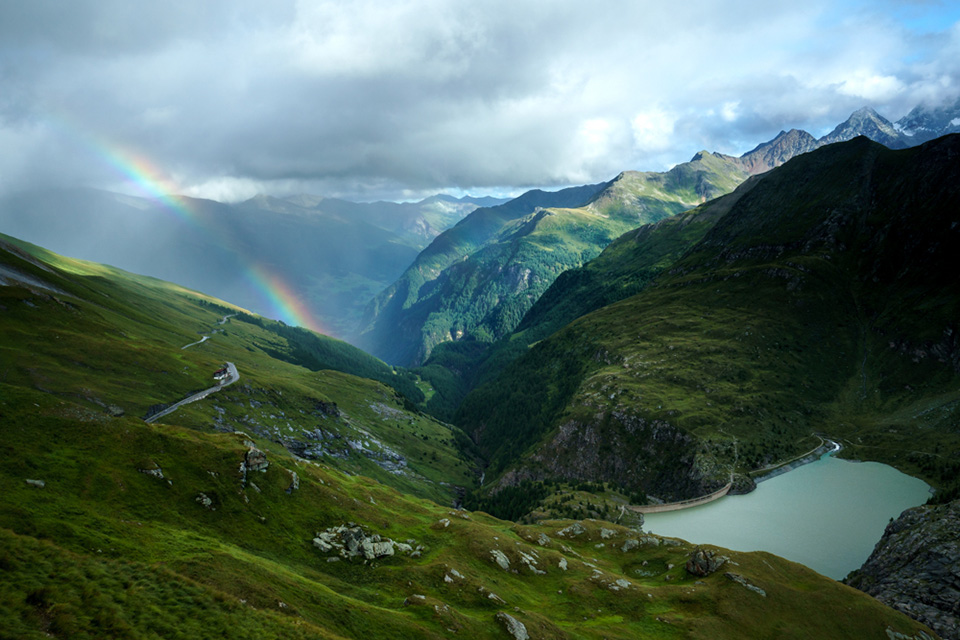
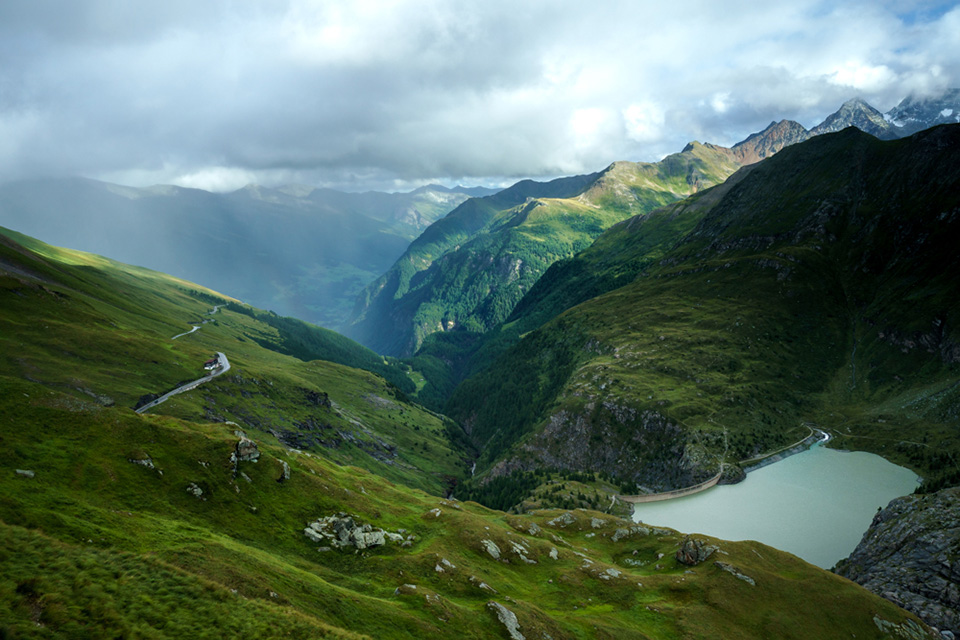
Do not use a polarising filter if you want to photograph a rainbow, or rotate the polarisation to its minimum setting. The more polarisation you retain, the less bright the rainbow will be.
It is sometimes said that a polarising filter can make a rainbow extra bright, but I have never been able to see or experience this effect.
3. When you want to show water
One of the most popular places to use a polarising filter is around streams and rocky coasts. You can often filter out the troublesome reflections of light on the surface of the water completely. But sometimes it is better not to do this.
By filtering out all the reflections, you get an unobstructed view of the bottom, especially when the water is very shallow. You can see the beautiful stones, or other things in the water, but you can no longer see the water itself.
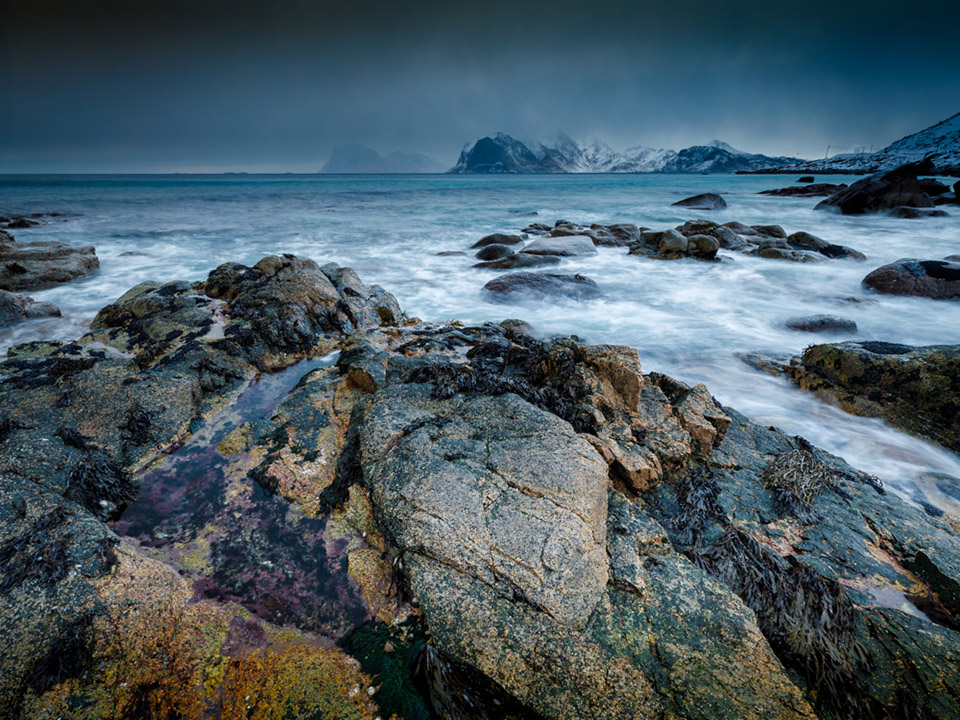
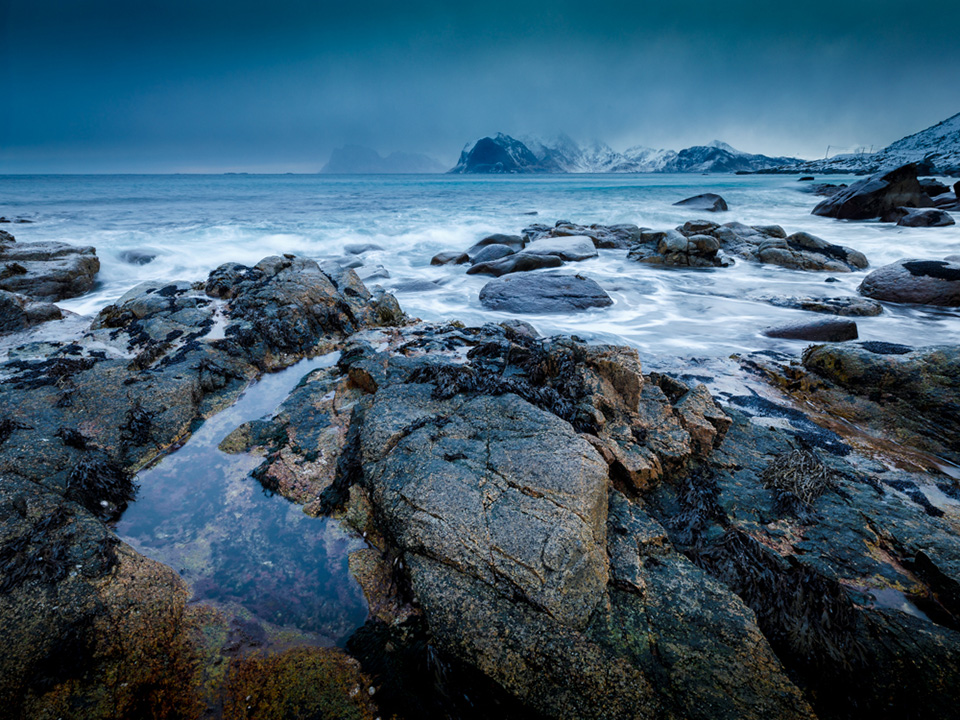
It is precisely that small amount of reflection in the water that shows the water. You do not want to remove it completely. There is no point photographing a stream if you can no longer see the water.
In this case, the idea is not so much to avoid using polarisation, but to avoid using it at maximum strength. Choose the golden mean.
Can you think of any more examples?
Of course, you can think of more situations in which a reflection is desirable and where using a polarising filter is not the best choice. Also remember that you do not always have to use full polarisation. You can stop turning the filter once you have reached the desired amount of reflection.
Do you know of situations where a polarising filter is undesirable, or where it is better not to use maximum polarisation? Share them in a comment below this post. I look forward to hearing about the situations you can think of.
About the author
Nando Harmsen has been photographing for more than 40 years. He specialises in wedding photography and landscape photography. Nando also gives talks, workshops, masterclasses and photo trips, and regularly reviews new and interesting equipment.
You might also like
-
 Control reflections with a polarising filter
by Erik Nevels
-
 The story behind the photo: a rainbow
by Nando Harmsen
-
 Use polarisation for autumn photography
by Nando Harmsen
-
 Take a polarising filter with you more often
by Nando Harmsen
11 comments
-
 hanshoenselaars@hotmail.com wrote on Tuesday 25 August 2020 at 10:48 | reply
Bedankt voor de tips. Ik schiet meestal zwart-wit. Bij wilde riviertjes is een polariteitsfilter heel geschikt om het bruisende water (golftoppen) met het vloeiende of staande water te contrasteren. Natuurlijk is er wel ruimte voor meer of minder reflectie, die te kiezen is door de flexibiliteit van de filter.
This comment was written in another language and has not been translated yet. -

 Donald Willemsen
wrote on Tuesday 25 August 2020 at 11:53
| reply
Donald Willemsen
wrote on Tuesday 25 August 2020 at 11:53
| reply
@ Nando, ik mis in het verhaal het lineair polarisatiefilter en wat het effect daarvan is op het licht. Valt daar nog wat zinnigs over te zeggen? Ik weet alleen dat men eerder een circulair filter aanraadt dan een lineair filter.
This comment was written in another language and has not been translated yet. -
 Nando
wrote on Tuesday 25 August 2020 at 13:36
| reply
Nando
wrote on Tuesday 25 August 2020 at 13:36
| reply
@Donald;
This comment was written in another language and has not been translated yet.
Dit is natuurlijk geen artikel over het verschil tussen een lineair en circulair polarisatiefilter. Ik herinner me dat ik ooit heb gelezen, dat de autofocus systemen een circulair filter moeten hebben, en dat lineair niet werkt. Maar dat kan inmiddels anders zijn.
Eigenlijk worden er alleen maar circulaire polarisatie filters aangeboden. -
Donald Willemsen
wrote on Tuesday 25 August 2020 at 16:43
| reply
@Nando, dat een lineair het autofocussysteem dwars zit, wist ik. Maar dan zou je kunnen overschakelen op MF. Dat dit artikel niet gaat over het verschil tussen lineair en circulair is logisch omdat vandaag de dag vrijwel enkel nog circulaire filters worden verkocht, je komt anders in de problemen met het autofocussysteem. Maar waar ik nieuwsgierig naar ben, is het effect van een lineair filter zoveel anders dan een circulair? Als het effect hetzelfde is, blijven lineaire filters bruikbaar als je de camera op MF zet. Anders gezegd, kan je met een lineair filter in bepaalde omstandigheden meer doen dan met een circulair? In het analoge tijdperk bestonden die twee filters naast elkaar.
This comment was written in another language and has not been translated yet. -
Nando
wrote on Tuesday 25 August 2020 at 17:04
| reply
@Donald;
This comment was written in another language and has not been translated yet.
Het verschil uitleggen is erg moeilijk, want het kost heel wat natuurkundige gepraat. Om het eenvoudig te brengen, een circulair polarisatie filter is een combinatie van een lineair polarisatie filter, en een optische golfplaat die de richting van het gepolariseerde licht verandert. Die laatste is nodig om de belichtingsmeter en de autofocus van je camera niet in de war te brengen.
Het zit wat meer ingewikkeld in elkaar, maar dat gaat veel te ver om dit hier buiten het topic van het artikel uit te leggen. -
 Wyb Mylius. wrote on Tuesday 25 August 2020 at 20:47 | reply
Ben griekenland ganger en ben gek op die kleurige vissersbootjes. in die oude , primitieve haventjes. Maar met pola filter gaan die bootjes vliegen, want je ziet dwars door het water heen. dat is voor mij onnatuurlijk en dus heb ik het pola filter afgezworen en gebruik ik het alleen wanneer ik echt door het water heen wil kijken.
This comment was written in another language and has not been translated yet. -
 paul wrote on Wednesday 26 August 2020 at 08:00 | reply
Ik heb eens met mijn 16 mm lens + pola filter en met tegenlicht gehad dat alle schaduwdelen met een rood lijntje omzoomd waren. Zonder pola filter had ik dat rood lijntje niet maar dan was de lucht overbelicht.
This comment was written in another language and has not been translated yet. -
Nando
wrote on Wednesday 26 August 2020 at 10:00
| reply
@Wyb:
This comment was written in another language and has not been translated yet.
Ik begrijp dat je daar een polarisatiefilter niet voor wilt gebruiken. Maar om deze nu helemaal af te zweren. Een polarisatiefilter is een heel nuttig filter, dat heel veel toepassingen heeft. Maar zoals met alle fotografie hulpmiddelen, je moet het gebruiken als er nut voor is. Zoals ik al zeg; je kunt ook een deel van de reflecties weghalen.
@Paul:
Een rood lijntje? Dat heb ik nog nooit gezien. -
Donald Willemsen
wrote on Wednesday 26 August 2020 at 10:26
| reply
@Nando, ik denk dat dat rood lijntje te maken heeft met Chromatisch Aberratie. Een veel voorkomende lensfout. Normaal is zo'n lijntje groen of paars, maar wordt misschien rood onder invloed van een polarisatie filter.
This comment was written in another language and has not been translated yet. -
wyb Mylius wrote on Wednesday 26 August 2020 at 12:22 | reply
Dank voor je reactie. Ik ben kleuren- fotograaf, maar denk te veel zwart/wit, zoals bleek. Natuurlijk, er zijn ook momenten waarop een pola filter een uitkomst is. Was weer een wijze les.
This comment was written in another language and has not been translated yet. -
paul wrote on Wednesday 26 August 2020 at 14:47 | reply
Donald, ik heb Chormatisch Aberratie een opgezocht en voorbeelden gevonden die precies aangaven wij jij schrijft. Dus ik denk dat je gelijk hebt, waarvoor dank.
This comment was written in another language and has not been translated yet.
Have your say
Please note: Articles older than a week can only be commented on by signed-in visitors.Would you still like to comment? sign in or create a free account.
Become a better photographer every week
A practical photography tip in your inbox every week.
39,077 photography enthusiasts already receive the tips! More about the weekly mail. Or keep up to date via  Facebook.

Elja Trum
Photofacts; everything to do with photography!
Would you like to take better photos and keep up with what is happening in photography? Photofacts publishes articles that teach you something about photography — from a product announcement to a practical shooting tip or a look at a website. Photofacts covers photography every day and is a hobby project of Elja Trum's that got out of hand. The articles are written by a team of volunteer authors. If you would enjoy writing one or more articles for Photofacts, do get in touch.More about PhotofactsPhotofacts is made possible in part by
