

Take a polarising filter with you more often
Sunday 10 May 2026, 12:24 by Nando Harmsen | 2,000 views | 2 commentsThis article was translated from Dutch with the help of AI. Read the original.
A polarising filter is often used to bring out more detail in the sky. But it is better used to reduce reflections and highlights. Take your polarising filter with you more often.
The polarising filter, also often incorrectly called a polaroid filter, reduces highlights. This makes colours warmer. It also makes the sky slightly darker.

A polarising filter works when the light comes from the right angle. The filter has its maximum effect at 90 degrees, and no effect at all at 0 degrees. So avoid using it with (extreme) wide-angle lenses, as the effect will be uneven.
A polarising filter often adds value, especially with leaves in sunlight and reflections in water. The photo can sometimes look completely different. I can try to describe that, but an image tells you much more.
I have collected a few examples. All edits of the photos taken with and without the filter are exactly the same. So you are seeing purely the difference made by a polarising filter. The first photo is without the filter, the second with it.
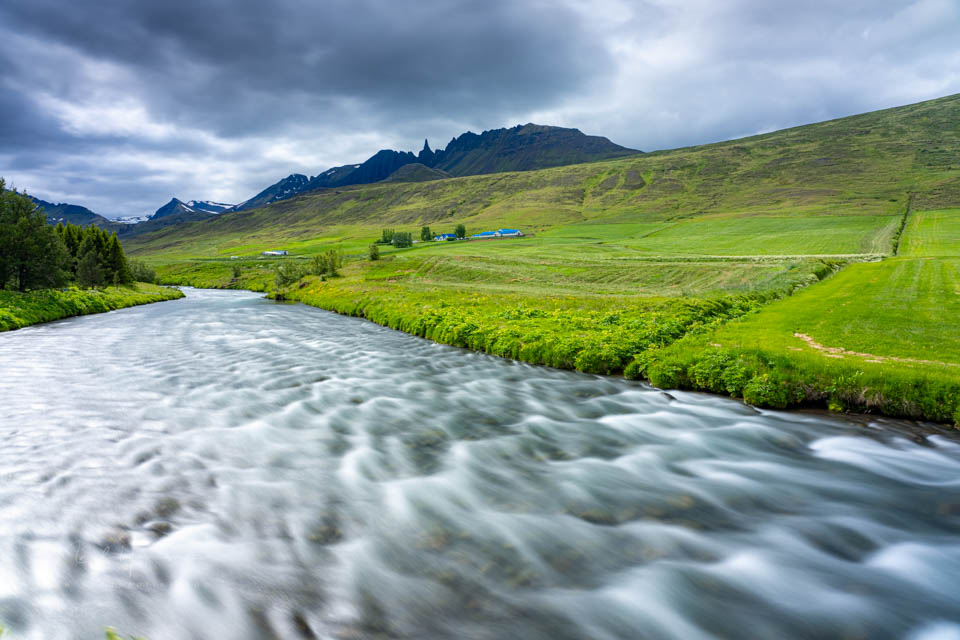
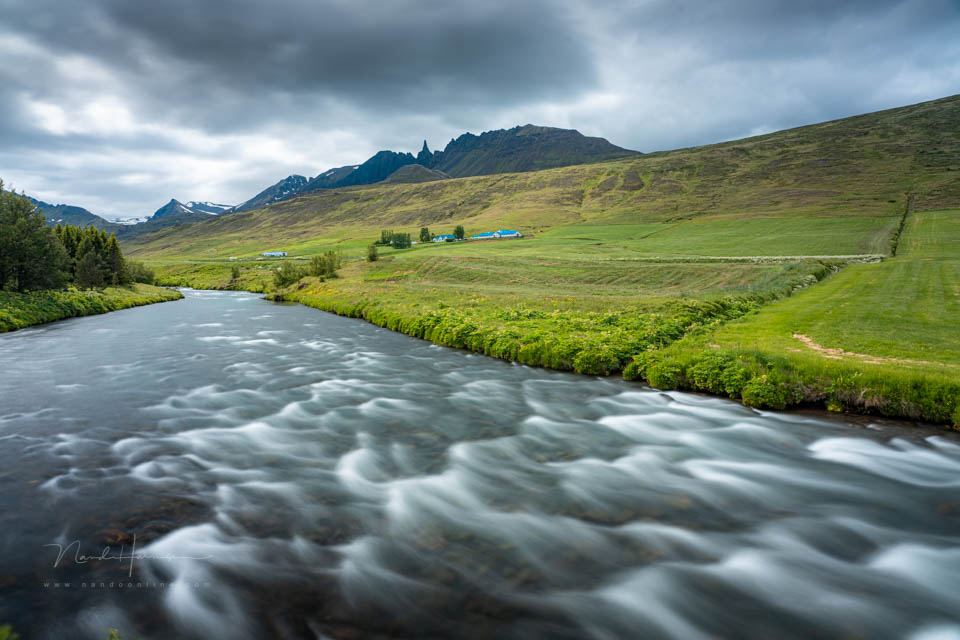
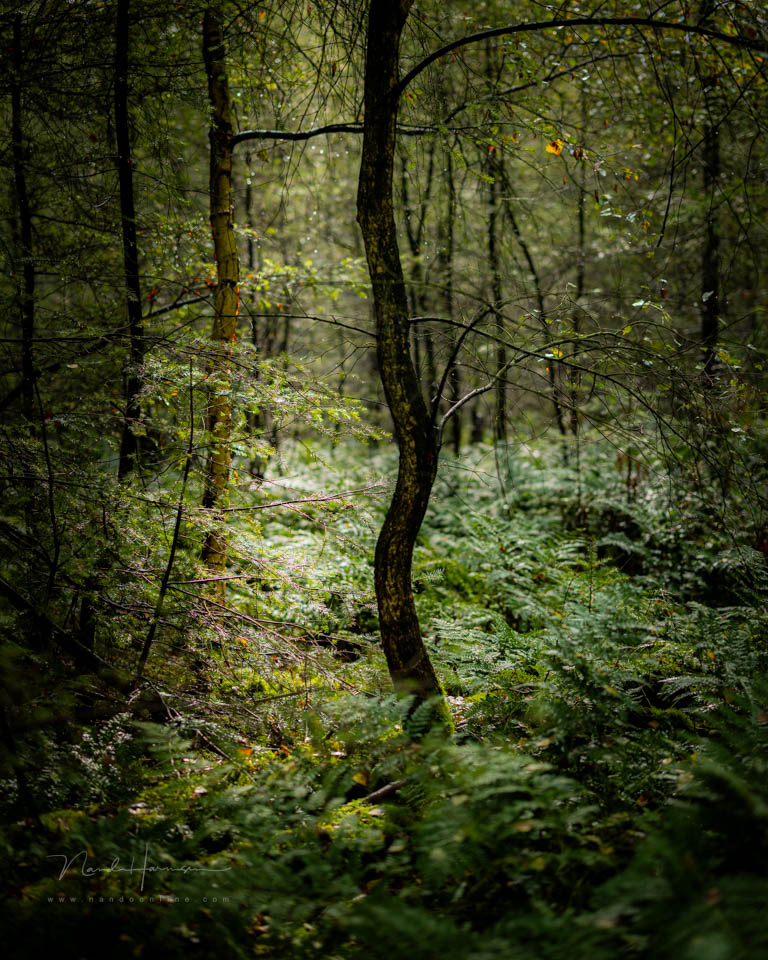
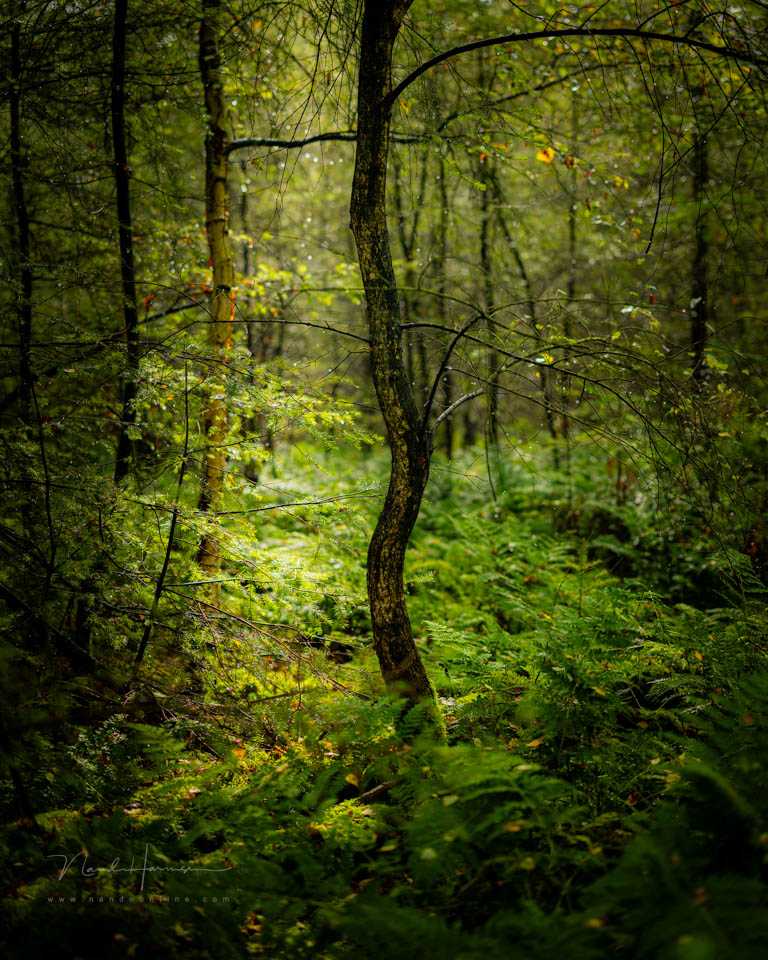


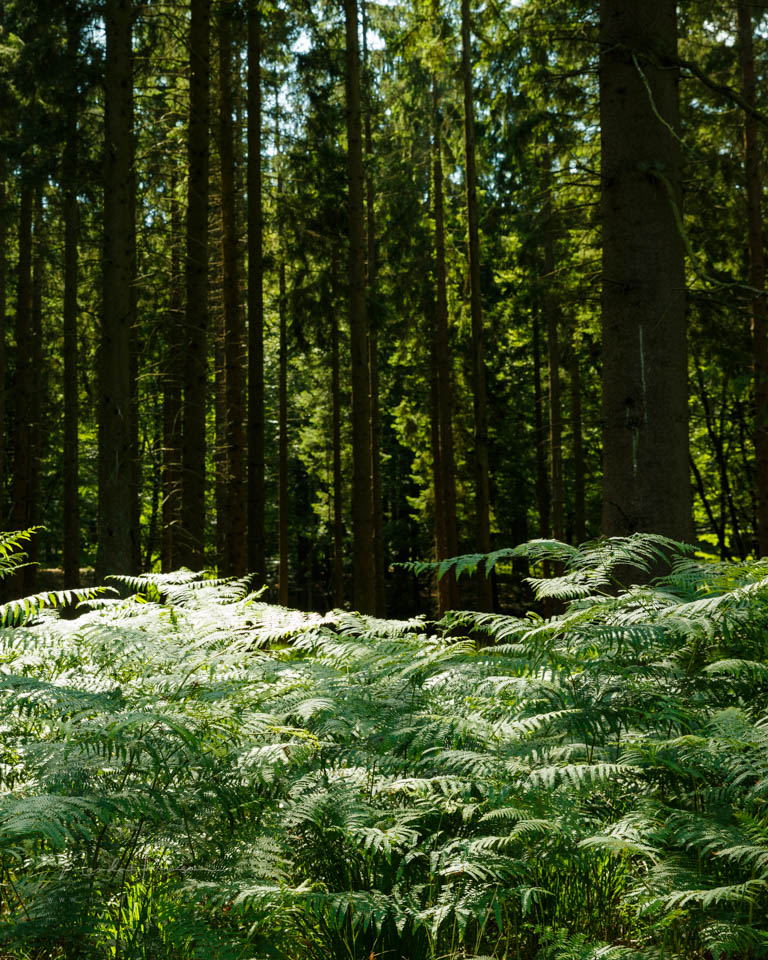
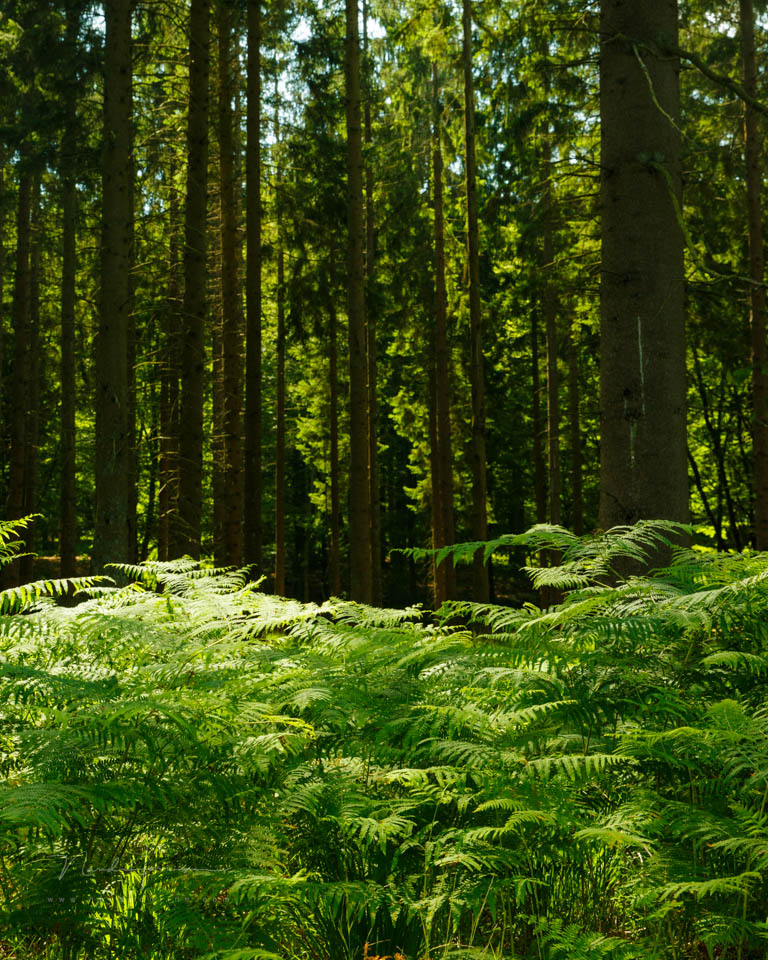


You can clearly see how much difference a polarising filter can make. However, it does not always work, as the light has to come from the right angle. In addition, auto white balance can 'mask' the effect, making it difficult to see while taking the photo.
You might think, I can do that in post-processing too... But you cannot. The filter changes the direction of the light, so it is a physical change. You can simulate it slightly in post-processing, but that is all.
Do you have a polarising filter? Use it more often this spring and summer, and in autumn too, of course. But bear in mind that sometimes it is better not to use it. So always be critical.
About the author
Nando Harmsen has been photographing for more than 40 years. He specialises in wedding photography and landscape photography. Nando also gives talks, workshops, masterclasses and photo trips, and regularly reviews new and interesting equipment.
You might also like
-
 3 reasons not to use a polarising filter
by Nando Harmsen
-
 Use polarisation for autumn photography
by Nando Harmsen
-
 Control reflections with a polarising filter
by Erik Nevels
-
 Clearer photos with polarisation
by Nando Harmsen
2 comments
-
 Peter vd Kerkhof wrote on Monday 11 May 2026 at 07:04 | reply
I find it difficult in the woods to see the effect of the polarizing filter on the screen. Especially in the viewfinder.
Translated from Dutch.
Are there other techniques that can be used, e.g. specific changes in the histogram? -


Have your say
Please note: Articles older than a week can only be commented on by signed-in visitors.Would you still like to comment? sign in or create a free account.
Become a better photographer every week
A practical photography tip in your inbox every week.
39,077 photography enthusiasts already receive the tips! More about the weekly mail. Or keep up to date via  Facebook.

Elja Trum
Photofacts; everything to do with photography!
Would you like to take better photos and keep up with what is happening in photography? Photofacts publishes articles that teach you something about photography — from a product announcement to a practical shooting tip or a look at a website. Photofacts covers photography every day and is a hobby project of Elja Trum's that got out of hand. The articles are written by a team of volunteer authors. If you would enjoy writing one or more articles for Photofacts, do get in touch.More about PhotofactsPhotofacts is made possible in part by
