

Landscape photography tip: Be careful with wide-angle lenses and polarising filters
Thursday 17 June 2021, 20:10 by Nando Harmsen | 5,210 views | 2 commentsThis article was translated from Dutch with the help of AI. Read the original.
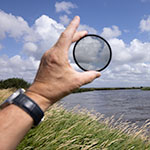
A polarising filter can give your landscape photo lovely contrast and warm colours. It also reduces reflections and glare in water. But be careful with wide-angle lenses and polarising filters. The two do not always work well together.
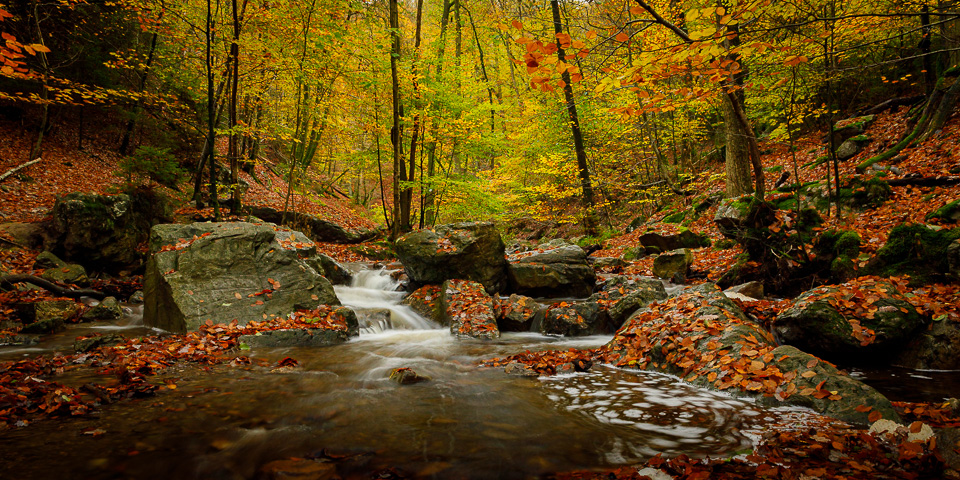
A polarising filter works best at an angle of 90 degrees to the light source. That source is usually the sun.
The further you point towards the sun, or away from it, the less effective the polarising filter will be. Until you photograph directly towards the light, or with the light behind you. Then it no longer works.
A wide-angle lens has a huge angle of view. It can sometimes be more than 90°. And you can probably guess, that is wider than the optimal angle at which the polarising filter works. In other words, the filter will polarise neatly in one part of the photo, but not in another.
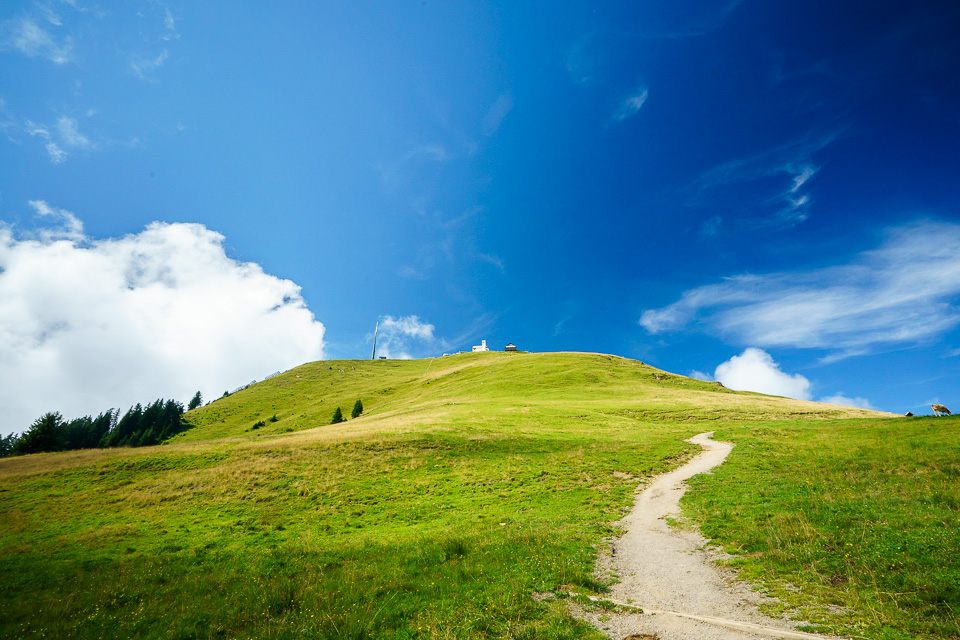
The result is uneven polarisation across the photo. This really stands out when you have blue sky in the photo. So be careful with this, because it is very difficult to correct in post-processing.
My own rule of thumb is that a 24mm lens on a full-frame camera is still just about possible. With a shorter focal length, you will see the uneven polarisation. If you have a crop camera, adjust the focal length for your camera, because it is the angle of view that matters.
The Landscape Bible, with 101 tips for impressive landscape photos
This tip is part of the book The Landscape Bible, in which I give 101 tips for impressive landscape photos. The book, full of beautiful photos, gives you all the information you need to start taking your own fantastic landscape photos.
Don't have The Landscape Bible yet? Order it via the order page and buy the book on its own, or at an attractive discount combined with a Photofacts Academy membership.
About the author
Nando Harmsen has been photographing for more than 40 years. He specialises in wedding photography and landscape photography. Nando also gives talks, workshops, masterclasses and photo trips, and regularly reviews new and interesting equipment.
You might also like
-
 Control reflections with a polarising filter
by Erik Nevels
-
 Take a polarising filter with you more often
by Nando Harmsen
-
 Use polarisation for autumn photography
by Nando Harmsen
-
 Clearer photos with polarisation
by Nando Harmsen
-
 Landscape photography tip: add contrast to your photo
by Nando Harmsen
2 comments
-
 Hans wrote on Tuesday 22 June 2021 at 17:33 | reply
Hi Nando. Interesting to read: ‘it’s the angle of view that matters’. I have often wondered why we don’t talk much more about the angle of view instead of the bpa? People say, for example, ‘This lens brings the lion a bit closer’. Fortunately, this is factually incorrect. Which is just as well: lions are always hungry, pushy, and uncivilized. Cows and horses are not, but they are curious; there goes your composition. With a smaller angle of view, less fits in the photo and is therefore shown larger. Right?
Translated from Dutch.
Regards, Hans
Ps: seen your beautiful poppy photos. -

 Nando
wrote on Wednesday 23 June 2021 at 11:34
| reply
Nando
wrote on Wednesday 23 June 2021 at 11:34
| reply
@Hans:
Translated from Dutch.
A smaller angle of view does indeed make something appear larger in the frame. You enlarge it, so to speak, or in popular terms, bring it closer...
Why do you find lions pushy and ill-mannered? I thought that only applied to humanity in general. Lions are curious, are only hungry if they haven't eaten for a while, and are anything but ill-mannered.
Have your say
Please note: Articles older than a week can only be commented on by signed-in visitors.Would you still like to comment? sign in or create a free account.
Become a better photographer every week
A practical photography tip in your inbox every week.
39,077 photography enthusiasts already receive the tips! More about the weekly mail. Or keep up to date via  Facebook.

Elja Trum
Photofacts; everything to do with photography!
Would you like to take better photos and keep up with what is happening in photography? Photofacts publishes articles that teach you something about photography — from a product announcement to a practical shooting tip or a look at a website. Photofacts covers photography every day and is a hobby project of Elja Trum's that got out of hand. The articles are written by a team of volunteer authors. If you would enjoy writing one or more articles for Photofacts, do get in touch.More about PhotofactsPhotofacts is made possible in part by
