

Use polarisation for autumn photography
Thursday 16 October 2025, 14:41 by Nando Harmsen | 2,136 views | 4 commentsThis article was translated from Dutch with the help of AI. Read the original.
During autumn, we look on in wonder at the colours of Mother Nature. When we photograph them, the colours can sometimes be disappointing. There is a simple solution: the polarising filter.
A polarising filter ensures that light from a particular direction is allowed through. You can manipulate that direction by rotating the filter. This makes it possible to remove reflections from wet and reflective surfaces.
A polarising filter is often used to make the sky darker. However, it is better suited to reducing light reflections. The leaves of plants and trees also reflect light. This makes colours look washed out in the photograph.
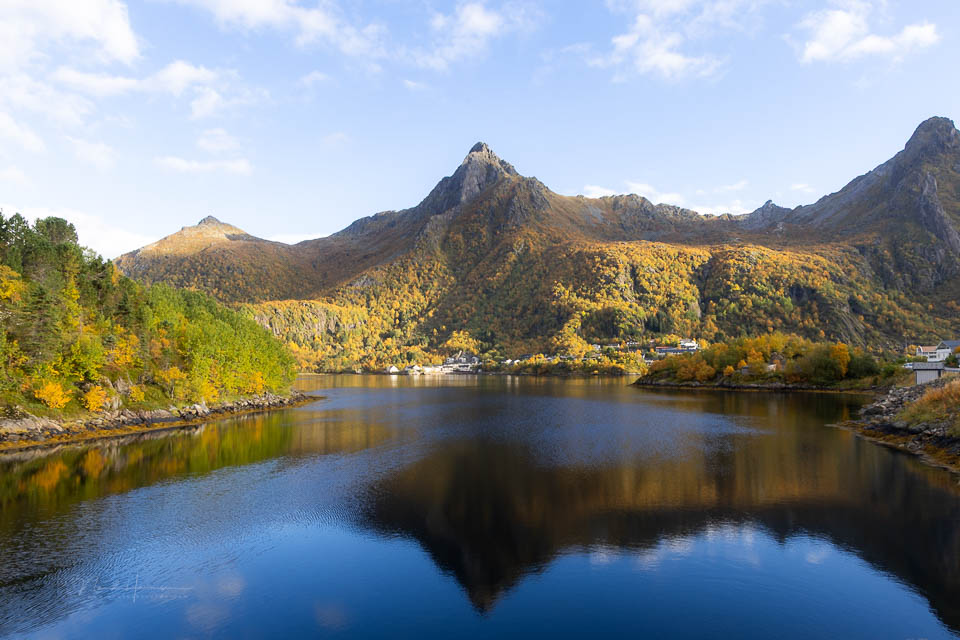
A polarising filter reduces those reflections on leaves. The result is fresh and vibrant colours. This makes the colours in the autumn photograph much more attractive.
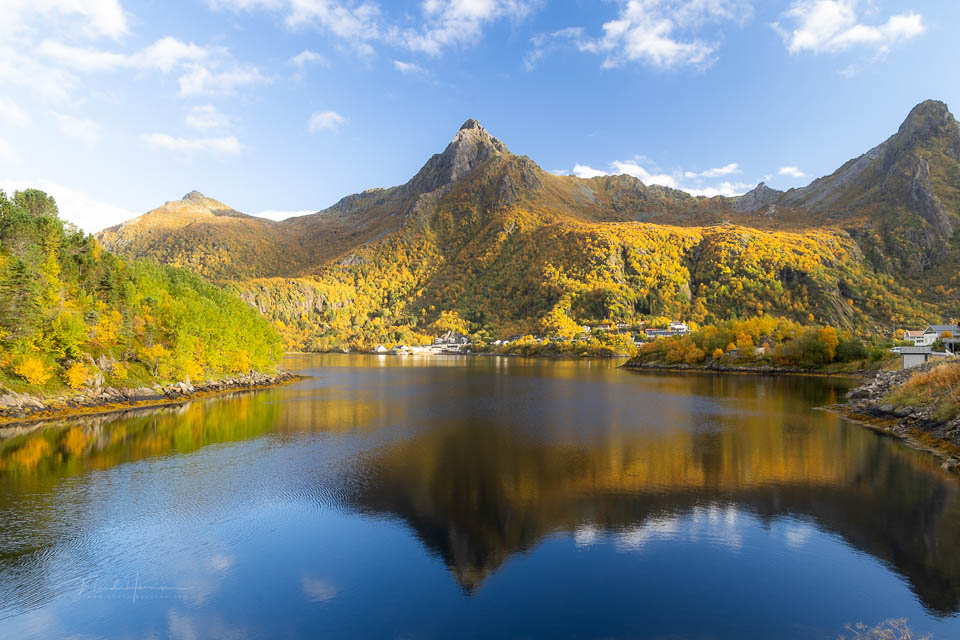
The degree of polarisation depends heavily on the direction of the light. It works best when the light is reflected at an angle of 90 degrees.
Experiment with rotating the filter to see the colours more clearly, or change your position and perspective if possible. Setting the white balance to daylight, or another fixed value, can make the effect more visible.
About the author
Nando Harmsen has been photographing for more than 40 years. He specialises in wedding photography and landscape photography. Nando also gives talks, workshops, masterclasses and photo trips, and regularly reviews new and interesting equipment.
You might also like
-
 Take a polarising filter with you more often
by Nando Harmsen
-
 3 reasons not to use a polarising filter
by Nando Harmsen
-
 12 tips for atmospheric autumn photography
by Laura van der Burgt
-
 Do you love autumn photography too?
by Laura van der Burgt
-
 Clearer photos with polarisation
by Nando Harmsen
4 comments
-
 Chris wrote on Tuesday 21 October 2025 at 10:26 | reply
Hi Nando, I have often considered buying a polarizing filter. There are 2 reasons why I don't have one yet and the first reason is... what should I buy, a horizontal or a circular one. And secondly, less importantly, do I buy it for the wide-angle or for the telephoto lens.
Translated from Dutch. -

 Nando
wrote on Tuesday 21 October 2025 at 10:32
| reply
Nando
wrote on Tuesday 21 October 2025 at 10:32
| reply
It's not that difficult.
Translated from Dutch.
A circular polarizing filter. It ensures that your autofocus continues to work without any problems.
You can hardly get a linear one anymore, so there is actually no real choice anymore.
Choosing telephoto or wide-angle depends on what you are going to use the polarization for most. But why make that choice? Choose a filter with a large diameter. For example 82mm, and buy a cheap step-up ring to use that filter on lenses with a smaller diameter as well. -
 guest wrote on Tuesday 21 October 2025 at 10:45 | reply
Nando, thanks for your response. I can work with this.
Translated from Dutch. -
 Govaerts wrote on Tuesday 21 October 2025 at 13:55 | reply
I also thank you for the clear tip you gave. I live not far from the equator and mainly use a polarizing filter when there is a body of water. However, if I take a landscape photo and it includes a house that is painted white, I get a lot of reflection. So in such a case, based on your information, I will also use a polarizing filter for this. I am curious about the result....
Translated from Dutch.
Have your say
Please note: Articles older than a week can only be commented on by signed-in visitors.Would you still like to comment? sign in or create a free account.
Become a better photographer every week
A practical photography tip in your inbox every week.
39,077 photography enthusiasts already receive the tips! More about the weekly mail. Or keep up to date via  Facebook.

Elja Trum
Photofacts; everything to do with photography!
Would you like to take better photos and keep up with what is happening in photography? Photofacts publishes articles that teach you something about photography — from a product announcement to a practical shooting tip or a look at a website. Photofacts covers photography every day and is a hobby project of Elja Trum's that got out of hand. The articles are written by a team of volunteer authors. If you would enjoy writing one or more articles for Photofacts, do get in touch.More about PhotofactsPhotofacts is made possible in part by
