

Photography techniques or styles, or are they just photography tricks?
Monday 31 July 2023, 20:02 by Nando Harmsen | 7,441 views | 10 commentsThis article was translated from Dutch with the help of AI. Read the original.
Photography is more than just recording something. It can also be a form of expression or something creative. Look around and you will see that there are various styles. Some are easy to find, while others you only discover by chance. What do you think of these kinds of photography techniques or styles?
Suppose there is a photographer with a particular way of taking or editing photos. That photographer then becomes known or even famous. Their photography can become a style used by many.
Some are very well known, but there are also styles you may never have heard of until you come across them. You may even love a particular style without knowing that it had a name.
What do you think of these photography techniques or styles? Or do you see them as nothing more than a trick, a fad that will soon blow over? I have collected a few, with a short description. Do you know any more?
Dragan effect
This effect emphasises the texture of the skin in portraits. This is partly done through lighting that emphasises the texture, and partly by enhancing the details in post-processing.
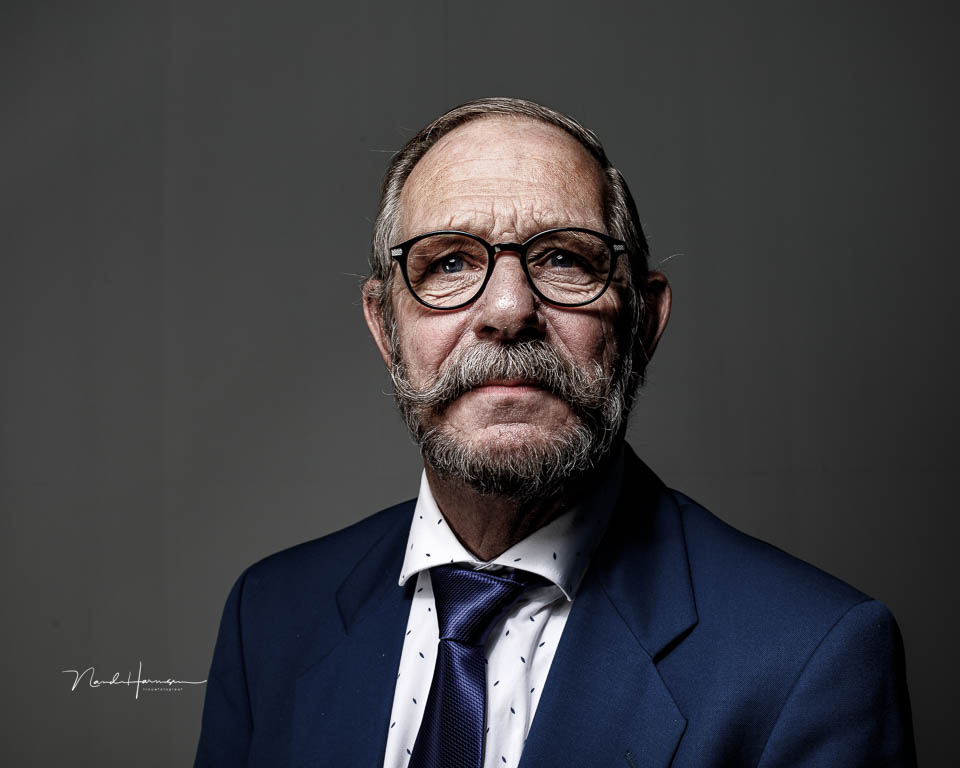
The photos are also sometimes called character portraits. The style became known through the Polish photographer Andrzej Dragan.
Orton effect
By combining two completely different photos of the same landscape, you create a mix of lots of detail and very little detail. The technique is named after Michael Orton. In the digital age, the technique has become a digital effect that is hardly ever created in the camera.
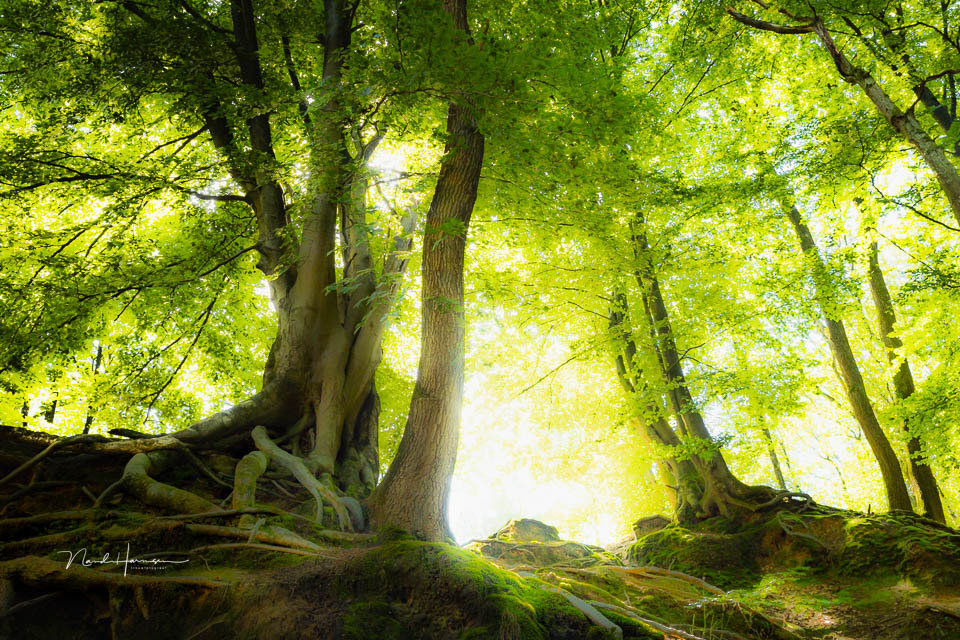
Pep Ventosa effect
The photographer Pep Ventosa often uses multiple exposures. He moves 360 degrees around the subject. This lets you see the subject from all sides in a single image.
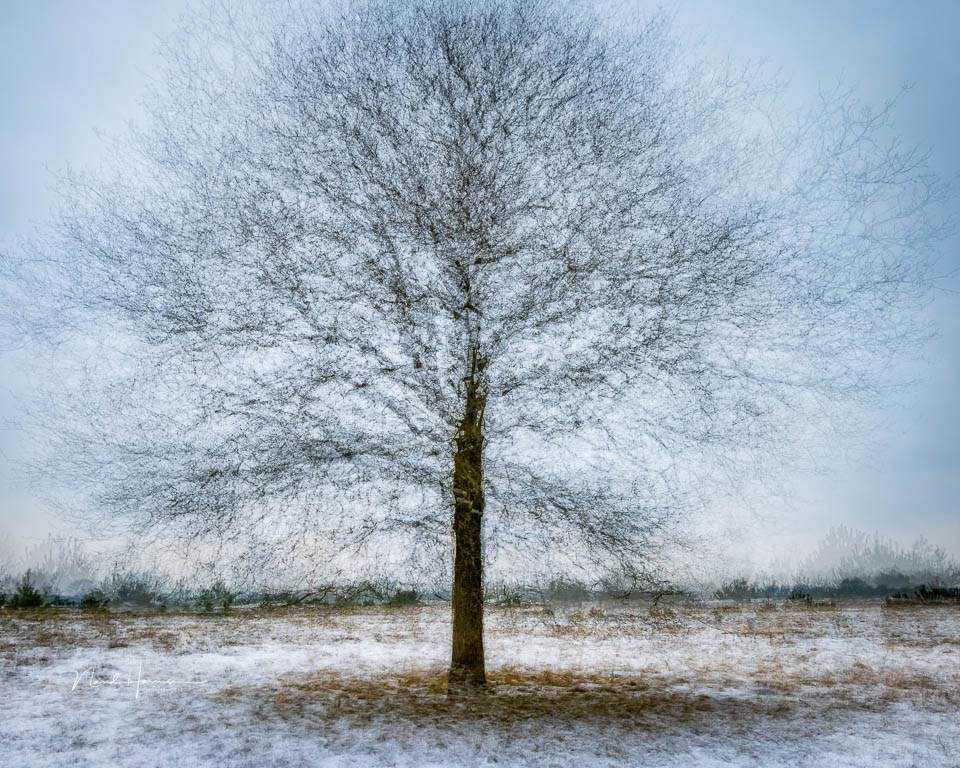
Adamski effect
A photo that shows movement, combined with a sharply rendered subject, is the Adamski effect. It is named after the photographer Josh Adamski. Little information about the original technique can be found, apart from how to achieve the effect in Photoshop.
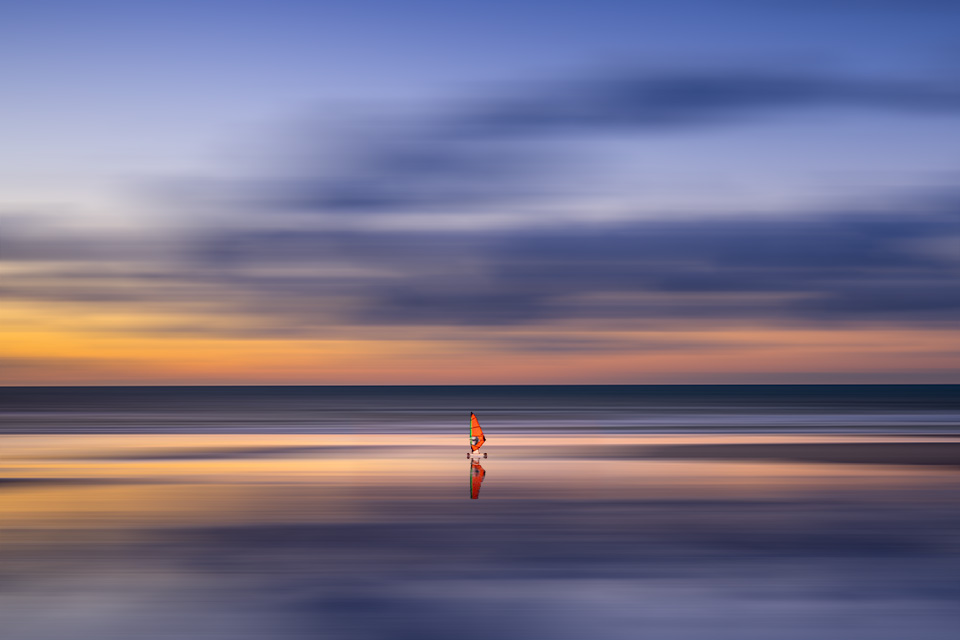
Brenizer method
The Brenizer method creates an extremely shallow depth of field at a wide angle. This is done by taking multiple shots with a longer focal length and an extremely shallow depth of field, in order to achieve a wide field of view. The effect is named after the photographer Ryan Brenizer.
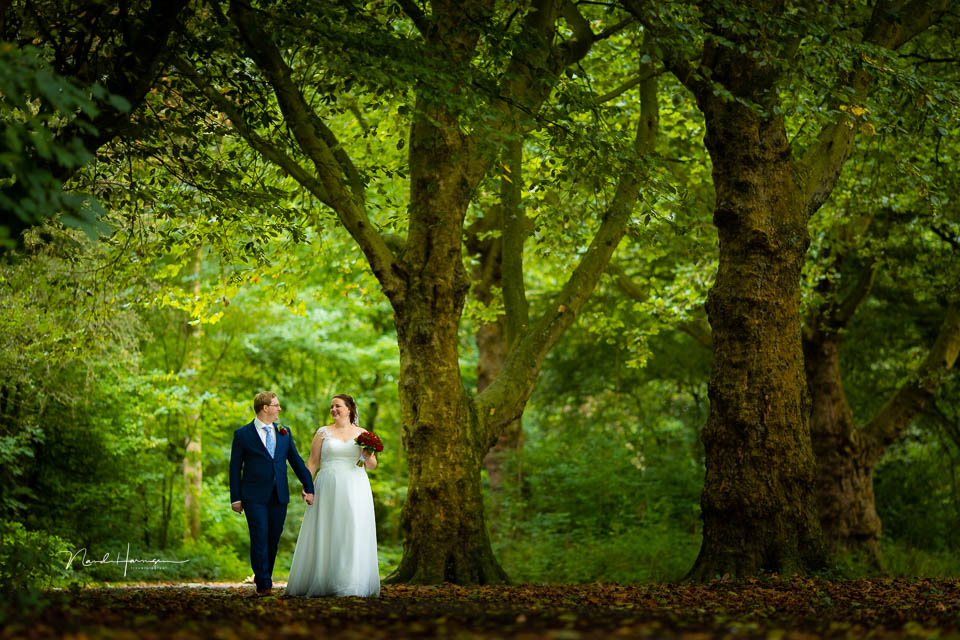
A trick, or a photography style?
Some of the techniques mentioned can be achieved in the camera, although most people choose the easy option of photo editing. In the end, it is about the final result and the unique look of your photo.
Remember that this is not a result of digital photography and editing. Many techniques date back to analogue photography, and editing towards a final result in the darkroom.
What do you think of this kind of photography, or do you think it has never had anything to do with photography? Do you know any other special techniques besides the ones I have mentioned? Let us know in a comment below. Who knows, it might make a good subject for an explanation on Photofacts Academy.
About the author
Nando Harmsen has been photographing for more than 40 years. He specialises in wedding photography and landscape photography. Nando also gives talks, workshops, masterclasses and photo trips, and regularly reviews new and interesting equipment.
You might also like
-
 10 Tips for Applying the Orton Effect
by Nando Harmsen
-
 How do you find a photography style?
by Frank Doorhof
-
Orton effect directly in the camera
by Nando Harmsen
-
 Making a Brenizer portrait on analogue medium format
by Elja Trum
-
 The Orton effect without Photoshop
by Nando Harmsen
-
 Is a photo a record or an expression?
by Nando Harmsen
10 comments
-

 kok.f@ziggo.nl wrote on Monday 31 July 2023 at 22:06
| reply
kok.f@ziggo.nl wrote on Monday 31 July 2023 at 22:06
| reply
For me, it’s all part of it. There’s nothing wrong with all kinds of purely documentary photography (family, holidays, memorable moments), we all do that. Besides that, you can make all kinds of creative outbursts with photography and that is by no means always appreciated by everyone. But it doesn’t have to be. If you can express your feelings, emotions or something else in it, then go for it. Often you use non-everyday camera techniques for this and in Photoshop you can also go wild with layers and different blendings. I enjoy doing that sort of thing and if I sometimes manage to make a ‘wow’ composition, that gives me satisfaction. Fine that some people don’t like it, but that doesn’t have to hold me back.
Translated from Dutch. -

-
 Jan Kleinjan wrote on Tuesday 1 August 2023 at 10:43 | reply
To each their own. I only photograph for recording purposes. I don't use filters and such while taking photos or in post-processing. RAW plus Lightroom and I always manage. My greatest satisfaction is when the final photo matches what I saw when I took the photo. And that's difficult enough already, so the whole bag of tricks you can pull out in post-processing is totally not for me. People who use those aren't photographers but (would-be) artists and I'm not an artist. Just an amateur photographer with a Nikon.
Translated from Dutch. -
 Paul wrote on Tuesday 1 August 2023 at 13:13 | reply
It reminds me of the time when I had a black-and-white darkroom and used solarization. A technique (without a camera, by the way) in which a composition was created directly on the photographic paper under the enlarger. For example, I used all kinds of glassware but also the hands of my then still small children. They loved it.
Translated from Dutch. -
 Dies Groot wrote on Tuesday 1 August 2023 at 13:55
| reply
Dies Groot wrote on Tuesday 1 August 2023 at 13:55
| reply
Very nice article. I completely agree with F.Kok. Nothing is required, nothing is supposed to be done, everything is allowed, as long as you enjoy it. The technique that Paul practiced in his darkroom, I suspect he meant photograms. All in all, photography in whatever form, is and remains a fantastic medium.
Translated from Dutch. -
 Nico den Broeder wrote on Tuesday 1 August 2023 at 16:51 | reply
Unlike with documentary photography or when you work for a magazine, as an "image maker" I edit the images I have shot in my studio or on location (mostly portraits) in my own way and according to my own insights. I believe that by doing so I am not creating a false history. A photo is actually a new reality and I may decide what you see. And you may decide whether you like it.
Translated from Dutch. -
 Ben wrote on Wednesday 2 August 2023 at 10:21 | reply
In this regard, you should take a look on Facebook at what Ab van Dalen creates. I find his work admirable
Translated from Dutch. -
 Chantal wrote on Wednesday 2 August 2023 at 11:53 | reply
I completely agree with Nico den Broeder, a nice expression by the way,
Translated from Dutch.
a photo is actually a new reality and I get to determine what you see, and you get to decide whether you like it..
well put Nico den broeder -
 Donald Willemsen wrote on Wednesday 2 August 2023 at 13:29 | reply
An excellent piece, Nando. Just like you, I completely agree with F. Kok. For example, I really like David Hamilton's style with his soft-focus technique, and I am also an admirer of the styles of Erwin Olaf, Paul Huf and Stephan Vanfleteren. I also find the social photography of photographer Lieve Blancquaert special.
Translated from Dutch.
Nando, I would think it would be cool if you made a course at Photofacts Academy about those different styles and techniques, in which you can achieve certain styles both through the camera and through post-processing. -
 Silverfox wrote on Sunday 13 August 2023 at 09:10
| reply
Silverfox wrote on Sunday 13 August 2023 at 09:10
| reply
I once took photos at a photography club with a deliberately set long shutter speed. And deliberately moved the camera in certain directions. No idea whether this has an official name but it gave a funny effect. It’s not really my kind of photography though.
Translated from Dutch.
What I always tell beginning photographers is that photography (for me) is an art form, which everyone can interpret differently. To use the comparison with the old masters: One person likes a Picasso, another a Rembrandt. A matter of taste, then.
Beginners also often 'hold on' to the composition rules. On the one hand I understand that, but also explain that this can work against your artistic brain. Think out-of-the-box! Deal with it creatively and perhaps you will indeed discover a new photography style
Have your say
Please note: Articles older than a week can only be commented on by signed-in visitors.Would you still like to comment? sign in or create a free account.
Become a better photographer every week
A practical photography tip in your inbox every week.
39,083 photography enthusiasts already receive the tips! More about the weekly mail. Or keep up to date via  Facebook.

Elja Trum
Photofacts; everything to do with photography!
Would you like to take better photos and keep up with what is happening in photography? Photofacts publishes articles that teach you something about photography — from a product announcement to a practical shooting tip or a look at a website. Photofacts covers photography every day and is a hobby project of Elja Trum's that got out of hand. The articles are written by a team of volunteer authors. If you would enjoy writing one or more articles for Photofacts, do get in touch.More about PhotofactsPhotofacts is made possible in part by
